


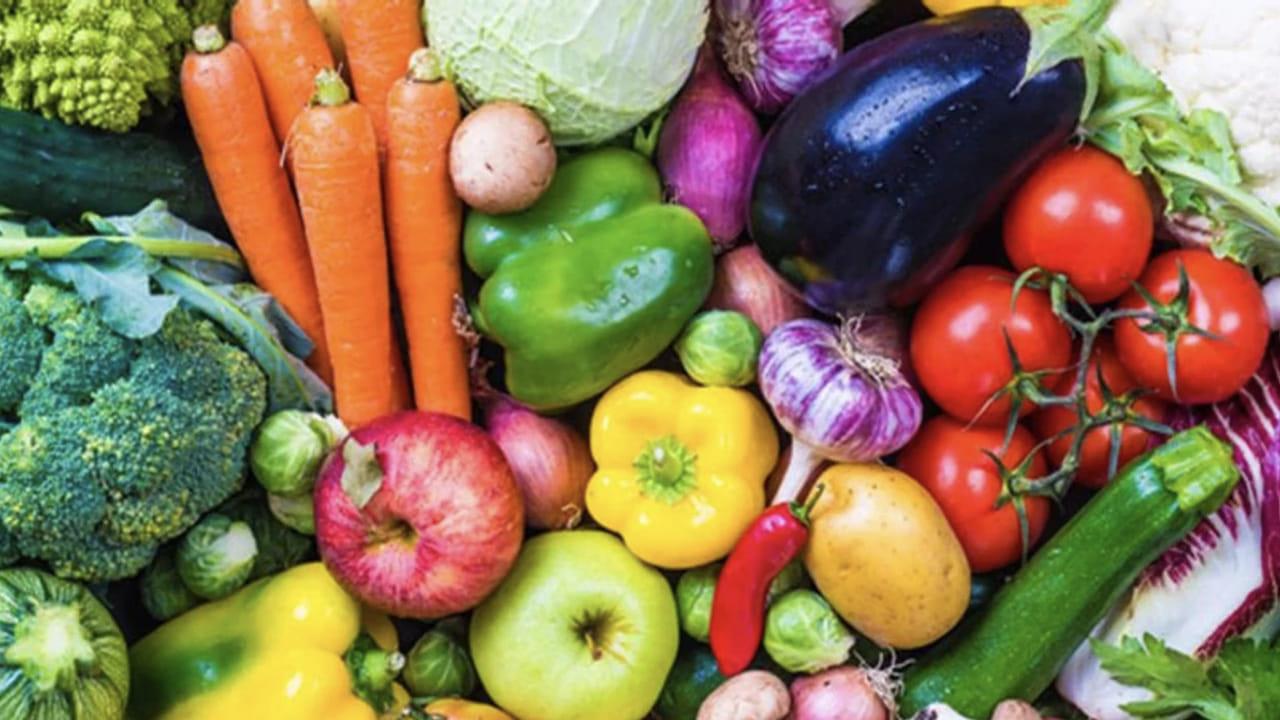
Winter Diet Guide: Spinach To Cabbage - 7 Green Vegetables To Eat In Winter, Check Full List


Discover 7 green vegetables to eat in winter, from leafy greens to seasonal favourites. Add these fresh vegetables to your meals for variety, flavour and a nutritious seasonal diet.
The shivering winter is finally here. The food you eat right now directly impacts your overall health. You need to change your diet as the season changes.
Winter demands a different nutrition game, and you should actually avoid a few vegetables. Your body needs a good amount of vitamins, minerals, and fiber to beat the cold, so your regular rice and sambar just will not be enough.
You must load up on specific seasonal vegetables available in the market. Greens, carrots, beetroots, and cabbages give your body excellent nutrition.
Let us see which vegetables you must eat and which ones you need to skip.
Carrots pack a heavy dose of beta-carotene. Your body converts this into Vitamin A, which you need for sharp eyesight, glowing skin, and a strong immune system.
Carrots also contain good fiber that makes your digestion smooth. You can crunch them raw, toss them in a salad, or cook them as a daily side dish.
Spinach gives you excellent nutrients like iron, folate, Vitamin K, Vitamin A, and fiber. These boost your red blood cells, support bone growth, and give energy for daily bodily functions.
You can easily consume spinach as dal, curries, or hot soups this winter. However, people who suffer from kidney stones must avoid eating too much spinach.
Eating beetroot is highly essential. It contains folate, potassium, fiber, and natural nitrates that convert into nitric oxide to improve your blood vessels. It also works wonders for your blood circulation. You can boil beetroot as a cooked dish or just eat it fresh in your salad.
Broccoli loads you up with Vitamin C, Vitamin K, folate, fiber, and antioxidant compounds. These directly improve your immune system, bone health, and digestion process. You get the best results when you lightly steam the broccoli or cook it using very little oil.
Cabbage is extremely rich in Vitamin C, Vitamin K, and fiber. Eating it regularly builds up your immunity, strengthens bones, and aids your digestion. The best part is that it contains very few calories, making it a perfect choice for people trying to control their weight.
Radishes have high water content, along with rich fiber and Vitamin C. They keep your body hydrated and greatly help your digestion. You can cook radish as a dish or eat it completely raw. But remember, eating radish can trigger gas or bloating. If you have gastric issues, you must cook them thoroughly before eating.
Fenugreek Leaves
Fenugreek leaves bring essential nutrients like iron, folate, Vitamin K, and fiber. These directly help produce blood cells, maintain bone health, and smooth out digestion. You can easily mix fenugreek leaves with lentils, make curries, or stuff them inside flatbreads.

Legal Disclaimer:
MENAFN provides the
information “as is” without warranty of any kind. We do not accept any
responsibility or liability for the accuracy, content, images, videos,
licenses, completeness, legality, or reliability of the information
contained in this article. If you have any complaints or copyright issues
related to this article, kindly contact the provider above.


Comments
No comment