


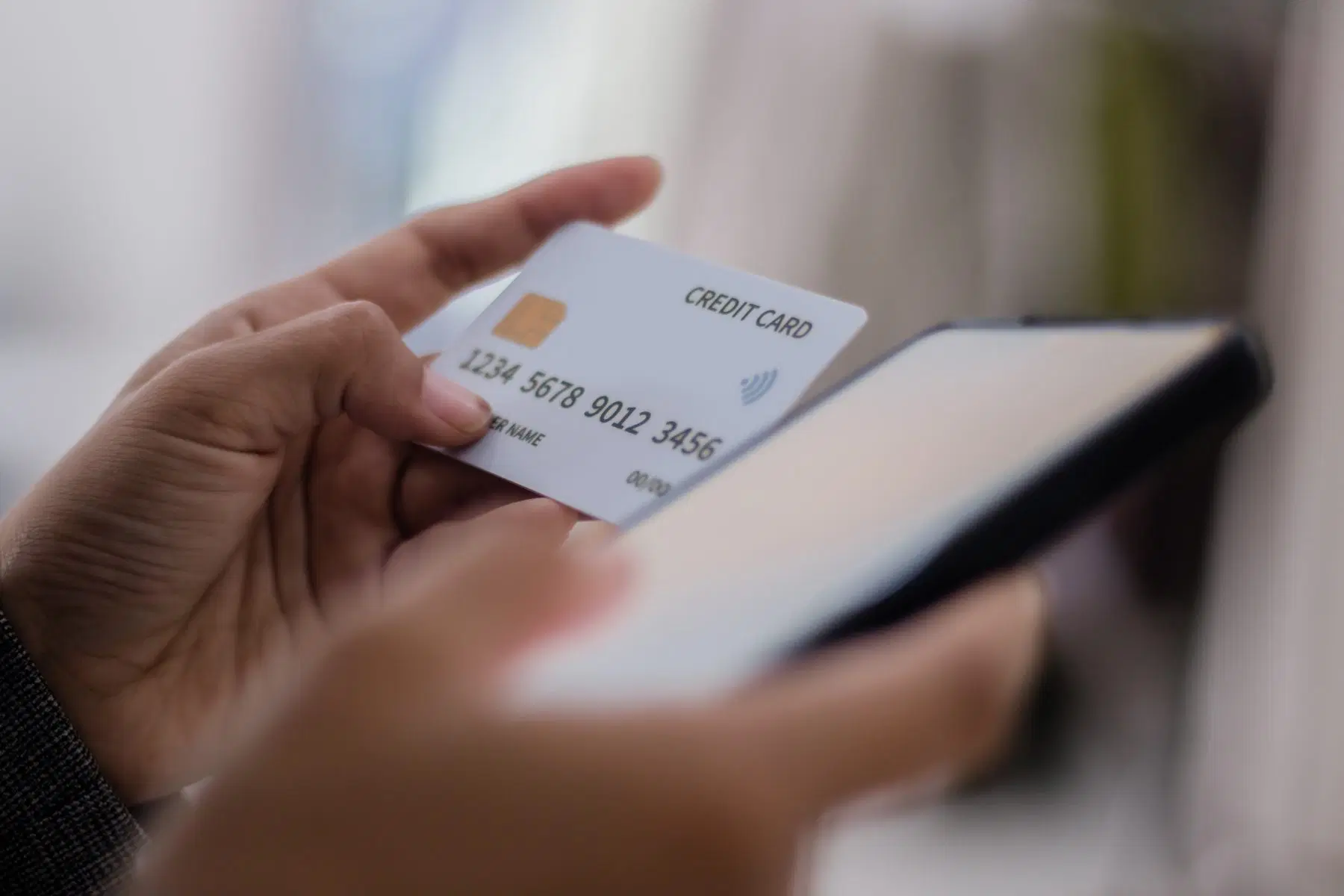
Your Credit Card Expires, But The Subscriptions Keep Charging - How Is That Possible?


| Subscription | Monthly Cost | Annual Cost |
|---|---|---|
| Unused streaming service | $12.99 | $155.88 |
| Forgotten mobile app | $9.99 | $119.88 |
| Unused membership | $19.99 | $239.88 |
| Total | $42.97 | $515.64 |
Over five years, those three subscriptions alone would cost $2,578.20, assuming prices never increase.
For a retiree receiving $2,000 a month from Social Security, that's more than an entire month's benefit spent on services they don't use. The financial impact could be even greater if those charges contribute to a credit card balance that accrues interest.
You May Be Able to Opt Out of Automatic Card UpdatesHere's something many cardholders don't realize: You may have some control over whether your replacement card information is automatically shared.
Visa's Account Updater documentation outlines a mechanism that allows card issuers to opt customers out of the service. The opt-out can remain in effect across subsequent card replacements under certain circumstances.
Contact the financial institution that issued your credit card and ask:
- Does my credit card participate in an automatic account updater program? Can I opt out of automatic payment credential updates? Can I see which merchants received my updated card information? Can you block future recurring payments from a particular merchant? Will the restriction remain in place if my card is replaced again?
Not every bank offers the same controls or makes them accessible through its mobile app. You may need to speak with a representative who understands recurring payment authorizations.
Also, remember that opting out of account updates doesn't necessarily stop charges using existing valid payment credentials or other payment arrangements.
Check Your Banking App for Subscription Management ToolsSome credit card issuers now offer features that help customers identify businesses holding their payment information.
Depending on your financial institution, you may find a list of recurring payments, saved-card merchants, or businesses that have received updated credentials. Some issuers also allow customers to request payment blocks for selected merchants.
Visa's credential-on-file services illustrate how financial institutions can provide these capabilities through their own banking platforms.
Look for sections labeled recurring payments, subscriptions, automatic payments, or card management when you sign into your account.
These tools can provide a useful starting point, but don't assume that every subscription will appear on the list. Reviewing your actual statements remains important.
Canceling Your Credit Card Doesn't Cancel Your ContractThere's another complication that can become expensive if you're not careful.
Suppose you signed a 12-month gym membership agreement and decided to stop attending after four months. Preventing the gym from charging your credit card won't necessarily release you from the remaining eight months of payments.
Your payment method and your contractual obligations are separate matters.
Depending on the agreement and applicable consumer protection laws, unpaid balances under a valid contract could lead to additional charges or collection activity. Before blocking payments, review the cancellation terms and formally end the service through the appropriate process.
If a company makes cancellation unreasonably difficult or continues billing after you've properly canceled, document the problem and seek assistance from your card issuer.
What to Do When a Company Keeps Charging You After CancellationPerhaps you already canceled a subscription, received a confirmation email, and discovered another charge the following month.
Start by contacting the merchant and requesting a refund. Save any correspondence that establishes when you canceled and when the company acknowledged your request.
The Federal Trade Commission's guidance on unwanted subscriptions also encourages consumers to dispute charges when businesses continue billing them improperly.
Keep a record of cancellation emails, screenshots, customer service conversations, and billing dates. These documents can help establish whether a charge was made after the subscription should have ended.
If you never authorized the subscription in the first place, notify your credit card issuer promptly rather than treating it as an ordinary cancellation problem.
Don't Miss the 60-Day Credit Card Dispute DeadlineWaiting several months to investigate a suspicious subscription charge could jeopardize some of your federal consumer protections.
Under the Consumer Financial Protection Bureau's billing error rules, a qualifying written billing error notice generally must reach the creditor within 60 days after it sends the first statement reflecting the disputed error.
Calling your credit card company or opening a dispute through its app is a useful first step. To preserve applicable federal rights, follow up in writing using the designated billing dispute address.
That address may be different from the one where you send your monthly payment.
While a qualifying billing dispute is being investigated, you generally don't have to pay the disputed charge or associated finance charges. You must, however, continue paying undisputed amounts as required.
Remember that forgetting to cancel a subscription you legitimately authorized isn't necessarily a billing error. Whether you're entitled to a refund depends on the circumstances.
Watch Out for Fake Subscription Renewal NoticesNot every renewal notice comes from a legitimate business.
Fraudulent emails may claim that your payment information has expired or that you're about to be charged hundreds of dollars for an annual computer security subscription. Others provide a telephone number you're supposed to call immediately to cancel the transaction.
Before responding, check whether the charge actually appears on your credit card account. If you recognize the company, visit its official website independently rather than clicking links in the message.
Never give an unexpected caller your replacement card details, online banking credentials, or verification codes to supposedly process a subscription refund.
Suspicious renewal messages can be reported through the FTC's href="" target="_blank" ft website.
Review More Than Just Last Month's Credit Card StatementChecking a single statement might reveal monthly subscriptions, but it won't necessarily catch memberships that renew annually.
Set aside some time to review at least 12 months of credit card activity. Pay particular attention to unfamiliar merchant names, digital services, software subscriptions, cloud storage plans, and automatic membership renewals.
For each recurring expense, establish whether you still use the service, when it renews, and how to cancel it. Check subscriptions purchased through mobile app stores as well, since several services may appear under a single billing company.
An annual review can also help you identify price increases that have quietly taken effect since you first subscribed.
For households approaching retirement or adjusting to a lower income, reducing these recurring expenses may be easier than cutting necessities such as groceries or healthcare.
Don't Let an Expiration Date Make Your Financial DecisionsModern payment technology has made replacing credit cards considerably less inconvenient. Unfortunately, it has also made it easier for forgotten subscriptions to continue draining household budgets.
Cancel unwanted services directly, retain proof of cancellation, and ask your card issuer about available recurring payment controls. Check subsequent statements to make sure the charges have actually stopped.
You don't need to wait until your next credit card expires to reclaim money you're spending on things you no longer use.
Have you ever discovered that a subscription continued charging you after your credit card expired or was replaced? How much did it end up costing you?
Drew BlankenshipDrew Blankenship is a seasoned personal finance and lifestyle writer with more than a decade of professional writing experience crafting clear, actionable advice that helps savers and investors over 40 protect their wealth and make smarter everyday decisions. His bylines appear regularly on SavingAdvice, CleverDude, and other respected outlets, where he draws on deep industry knowledge to deliver practical insights on cost control, smart spending, and long-term financial security.
Like This Article? Share It With A Colleague.

Legal Disclaimer:
MENAFN provides the
information “as is” without warranty of any kind. We do not accept any
responsibility or liability for the accuracy, content, images, videos,
licenses, completeness, legality, or reliability of the information
contained in this article. If you have any complaints or copyright issues
related to this article, kindly contact the provider above.


Comments
No comment