


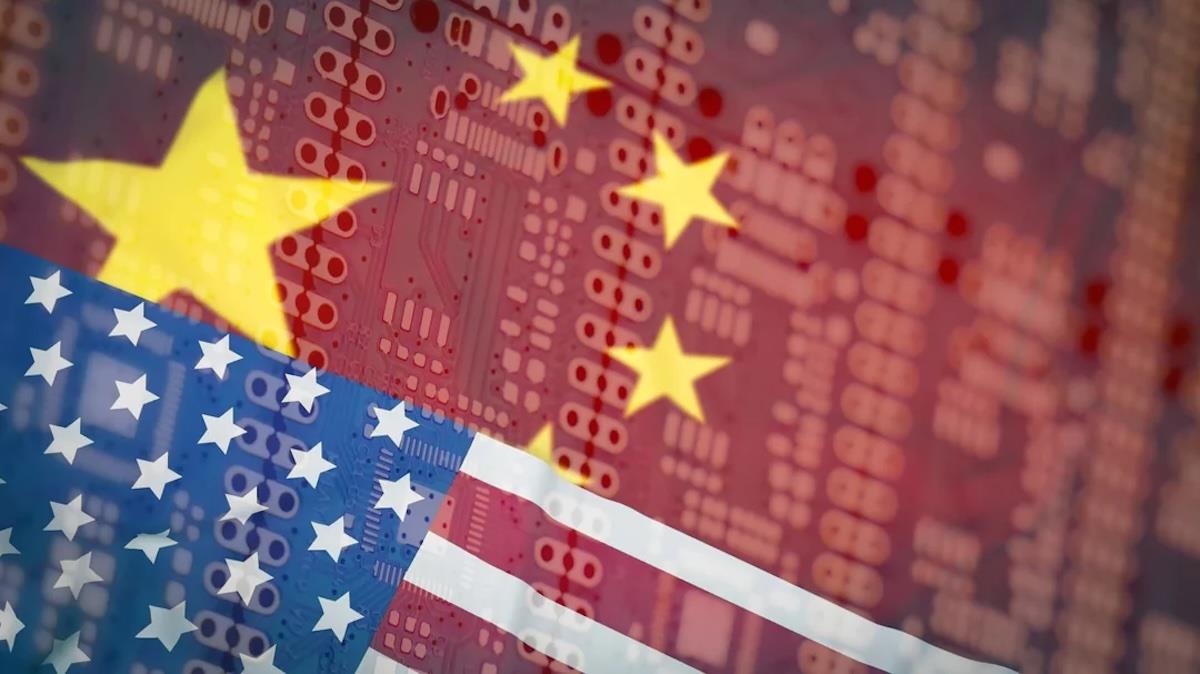
US Chip Curbs Close Pathways For Chinese AI


Leading Chinese AI companies had, after all, been able to legally access significant volumes of Nvidia's advanced Blackwell chips remotely to train their AI models, including on (non Chinese-owned) Southeast Asian data center-hosted clouds.
Blackwells, to be clear, are barred from export to China or China-headquartered entities elsewhere; restricted amounts of less powerful H200 Hopper chips are permitted for export though to cleared Chinese end-users.
The Biden administration had sought to curtail this remote access pathway in January 2024 with its infrastructure-as-a-service draft rule, which would have compelled US cloud companies that provided computing power for foreign AI training to report and in certain instances restrict access to certain (i.e., Chinese) customers.
The rule failed to gain traction because of two main issues:
-
By what parameters were US cloud computing vendors to judge if a Chinese client was conducting a training run?
And wouldn't such US vendor tracking of proprietary client information amount to a problematic intrusion of privacy and violation of IP and shred their business model?
To compensate for its failure to push the rule through, the Biden administration, less than a week before leaving office, inscribed a lesser Data Center VEU (verified end user) provision in its AI Diffusion Rule that would impose checks to prevent the diversion of advanced chips to China.
Once the second Trump administration took the reins of power, however, one of its first acts was to disown Biden's AI Diffusion Rule.

Legal Disclaimer:
MENAFN provides the
information “as is” without warranty of any kind. We do not accept any
responsibility or liability for the accuracy, content, images, videos,
licenses, completeness, legality, or reliability of the information
contained in this article. If you have any complaints or copyright issues
related to this article, kindly contact the provider above.


Comments
No comment