


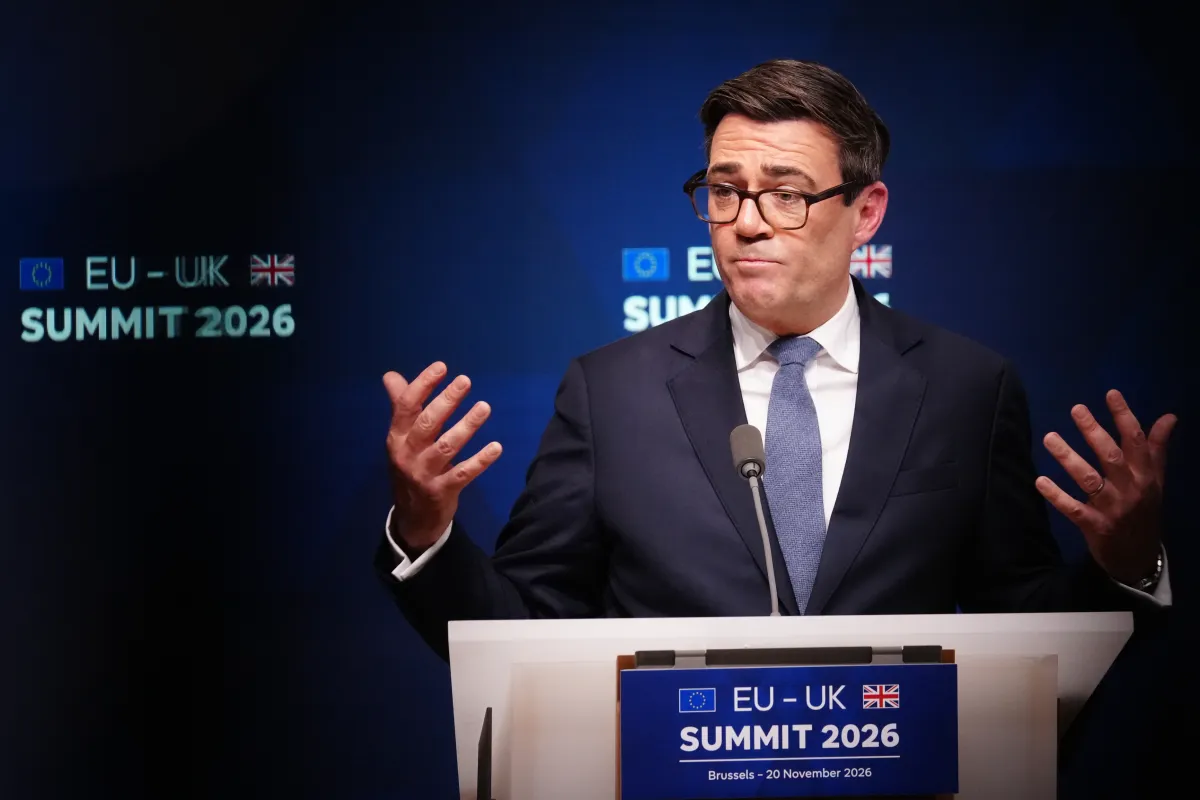
Reset? Rejoin? What Britain Can Learn From Switzerland On EU Relations


As part of the democracy team, I report on the dynamic relationship between citizens and their institutions in Switzerland and abroad. Born in Ireland, I have a BA in European Studies and MA in International Relations. I've been at SWI swissinfo since 2017.
-
More from this aut
English Departm
When it comes to the European Union, the United Kingdom and Switzerland have more in common than simply not being in it.
For one thing, both are currently trying to recalibrate ties with the bloc. On November 20, UK Prime Minster Andy Burnham signed a“reset” deal to cut barriers to food trade, link carbon markets, and create a youth mobility scheme with Brussels; he is also mulling longer-term options that could even include rejoining. Switzerland, for its part, is debating a new package of bilateral agreements which is likely to come to a public vote in 2028.
Meanwhile the Europe question is a similarly tricky domestic issue for both, and is often driven by anti-EU forces: a 2025 University of Bern studyExternal link found that Euroscepticism in Britain and Switzerland is often of a rightist and nationally oriented type that sets them apart from other countries in Europe, including other non-EU members like Norway and Iceland.
Different timelines, different systemsBut how their politicians and respective systems handle the issue is another thing.
Switzerland's“ground zero” came in 1992, when voters narrowly rejected membership of the European Economic Area (EEA), says Fabio Wasserfallen, who co-wrote the University of Bern study. Ever since, Europe has remained a major political faultline, while joining has been off the table. Instead, citizens have voted over a dozen times on specific aspects of EU ties, from asylum rules to cohesion payments, developing in the process a complex“Swiss model” of partial integration, which is popular domestically, if less so in Brussels.
Wasserfallen says this pattern of“constant politicisation via regular voting” comes with various effects.
Recurring campaigns give anti-EU groups – particularly the right-wing Swiss People's Party – but not only – plenty of chances to mobilise Eurosceptic sentiment. Yet they also provide a framework for political battles. Swiss direct democracy, which allows citizens or parties to force ballots on laws or agreements, is“geared towards constant politicisation”, says Wasserfallen. It's not always harmonious, especially when topics like immigration are involved.“But it's clear that after one vote, there will be another,” he says. And because it's an ongoing process, losers don't have to feel excluded, and citizens regularly decide on things that matter.
>> Switzerland is the only OECD country where a majority of citizens feels they have a say:
More More Global elections Why Switzerland is missing from the debate over trust in governmentThis content was published on Oct 30, 2026 Politicians, officials and civil society representatives gathered in Paris to discuss declining public trust in government.
Read more: Why Switzerland is missing from the debate over trust in gover
Legal Disclaimer:
MENAFN provides the
information “as is” without warranty of any kind. We do not accept any
responsibility or liability for the accuracy, content, images, videos,
licenses, completeness, legality, or reliability of the information
contained in this article. If you have any complaints or copyright issues
related to this article, kindly contact the provider above.


Comments
No comment