


Your HOA Wants A Perfect Lawn - But Local Water Restrictions Say Otherwise


The grass in your front yard has started turning brown, and your homeowners association isn't happy about it. A violation notice arrives reminding you that neighborhood standards require a healthy, green lawn. There's just one problem: your local water utility has restricted outdoor watering, and running your sprinklers more frequently could result in a separate penalty.
Homeowners caught between these competing requirements may feel as though they're going to lose money regardless of what they do. However, some states specifically address conflicts between HOA landscaping rules and water conservation requirements, and knowing your rights could save you from unnecessary fines and landscaping expenses.
Your HOA Cannot Authorize You to Break the LawA homeowners association may establish landscaping standards through its governing documents, but those standards don't give residents permission to violate legally enforceable water restrictions. Municipalities and water utilities may limit outdoor irrigation to preserve supplies during droughts and other shortages. Depending on the location, restrictions can involve designated watering days, permitted hours, irrigation methods, or temporary prohibitions. The Environmental Protection Agency's drought guidance directs households to follow applicable state and local water-use restrictions. Don't assume that receiving an HOA violation notice provides a valid exemption from those requirements.
California Homeowners Have Specific Legal ProtectionsCalifornia explicitly addresses certain conflicts between HOA landscaping standards and water conservation. Under California Civil Code Section 4735, certain association rules that interfere with qualifying water restrictions or prohibit low-water landscaping are unenforceable. The statute also generally prohibits associations from imposing fines or assessments for reduced lawn watering during officially declared state or local drought emergencies. An exception applies under certain circumstances involving homeowners who receive recycled water for landscaping but fail to use it. California residents facing landscaping penalties should review the statute's specific requirements before assuming an association's demand is enforceable.
Texas Also Limits Certain HOA Lawn FinesTexas homeowners have separate protections addressing landscaping standards during drought-related watering restrictions. Texas Property Code Section 202.008 restricts qualifying property owners associations from imposing certain fines involving vegetation and turf maintenance during mandated residential water restrictions. The law addresses requirements for planting grass, maintaining green vegetation, and avoiding brown or discolored turf. Its application depends on whether the restrictions meet the statutory definition and whether the association falls within the law's scope. Homeowners should identify the relevant provisions and effective dates before responding to a threatened penalty.
Not Every State Offers Identical ProtectionThe existence of homeowner protections in California and Texas doesn't mean an equivalent law applies everywhere. Some states protect drought-tolerant landscaping or specific conservation practices without providing the same restrictions on HOA fines. Others leave considerable room for community associations to establish landscaping standards within applicable legal boundaries. Local ordinances and water utility regulations may introduce additional obligations. Start with your state legislature's website and your utility's official conservation notices rather than relying on advice intended for homeowners in another state.
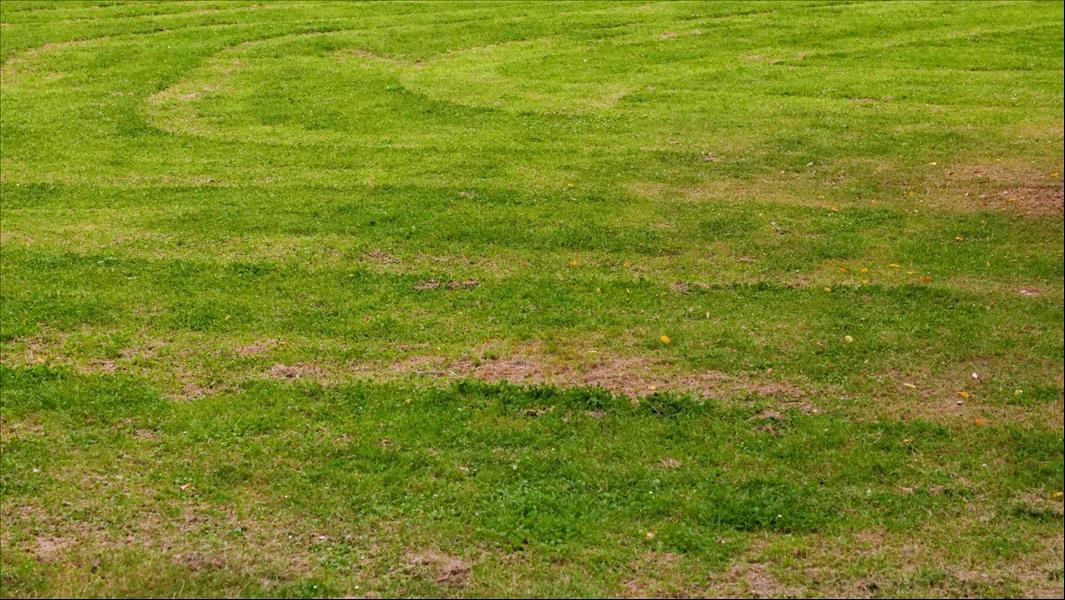
Brown Grass Doesn't Necessarily Mean a Dead LawnAn HOA board might interpret discoloration as evidence that a homeowner has neglected their yard. However, certain turfgrasses naturally enter dormancy when temperatures or moisture conditions become unfavorable. The EPA's turfgrass and water efficiency guidance identifies important differences between warm-season and cool-season grasses, including their responses to drought and seasonal changes. Dormant grass may recover when growing conditions improve, although prolonged drought can eventually cause permanent damage. Ask your local cooperative extension service whether the condition of your particular lawn is consistent with normal dormancy or requires intervention.
Keep Records of the Water RestrictionsA verbal explanation that you aren't allowed to water may not be sufficient when challenging a formal violation. Download or print the official notice identifying when restrictions began, what activities are prohibited, and whether any exemptions apply. Take dated photographs documenting your lawn's appearance and any steps you've taken to maintain it within the permitted rules. Include copies of relevant state laws when responding to your association's notice. These records could become important if the board continues assessing fines or questions whether the restrictions applied to your property.
Watering More Could Become an Expensive ResponseGiving in to pressure to maintain a perfect lawn could significantly increase your household expenses. Applying one inch of water to a 5,000-square-foot lawn requires approximately 3,117 gallons before accounting for irrigation inefficiencies. At a hypothetical combined water charge of $8 per 1,000 gallons, that irrigation would cost approximately $25. Repeating it weekly for 12 weeks would add roughly $300 to the household budget, potentially more under tiered rates or additional charges. Violating mandatory restrictions could introduce penalties on top of those higher utility bills.
Maintain the Yard Without Breaking Water RulesA lawn can remain reasonably well-maintained even when it isn't perfectly green. Keep weeds under control, remove accumulated debris, and avoid excessive mowing that places additional stress on vulnerable grass. Adjust mowing height to suit your turfgrass species and current growing conditions. The EPA's landscaping guidance identifies appropriate mowing and water-efficient maintenance as important components of sustainable landscaping. Demonstrating continued care can help distinguish necessary water conservation from genuine property neglect.
Find Out Whether Your HOA Must Allow Drought-Tolerant LandscapingReplacing portions of thirsty turf with regionally appropriate plants could offer a longer-term solution. Some states specifically limit an association's ability to prohibit water-efficient landscaping, although permissible design standards and approval requirements may remain. Investigate whether your community allows native ground covers, mulched planting beds, or other alternatives to traditional grass. Submit a proposed design and confirm any applicable approval requirements before removing your existing lawn. New landscaping may involve an upfront expense, but reduced irrigation and maintenance could provide savings over subsequent years.
Ask About Rebates Before Replacing Your GrassWater utilities and local conservation programs sometimes provide financial incentives for reducing outdoor water consumption. Depending on the program, eligible homeowners may receive assistance with turf removal, water-efficient irrigation equipment, or climate-appropriate landscape installations. These incentives aren't available everywhere, and many programs require approval before work begins. Contact your water provider before purchasing materials or hiring a landscaping contractor. Combining available incentives with a legally compliant landscaping plan could make the transition more affordable.
Challenge the Fine Rather Than Ignoring ItIf your HOA issues a landscaping violation during mandatory watering restrictions, respond within the applicable deadline. Explain the conflict, include supporting documentation, and request withdrawal or suspension of any penalties while the matter is reviewed. Ask for a hearing if the association's procedures or state law provide that opportunity. Keep correspondence professional and focused on the specific landscaping requirement and water-use restriction. If significant fines continue accumulating, consider obtaining advice from an attorney familiar with your state's HOA laws.
A Green Lawn Shouldn't Require Breaking the LawNeighborhood landscaping standards can help maintain an attractive community, but water conservation requirements serve an important public purpose. Homeowners shouldn't respond to competing obligations by secretly running sprinklers or immediately paying questionable HOA penalties. Document the restrictions, investigate your state's legal protections, and maintain your landscape using permitted methods. A drought-tolerant yard may ultimately prove less expensive and more practical than fighting to keep traditional grass green throughout the year.
Would you challenge your HOA if it tried to fine you for a brown lawn during mandatory water restrictions?
Legal Disclaimer:
MENAFN provides the
information “as is” without warranty of any kind. We do not accept any
responsibility or liability for the accuracy, content, images, videos,
licenses, completeness, legality, or reliability of the information
contained in this article. If you have any complaints or copyright issues
related to this article, kindly contact the provider above.


Comments
No comment