


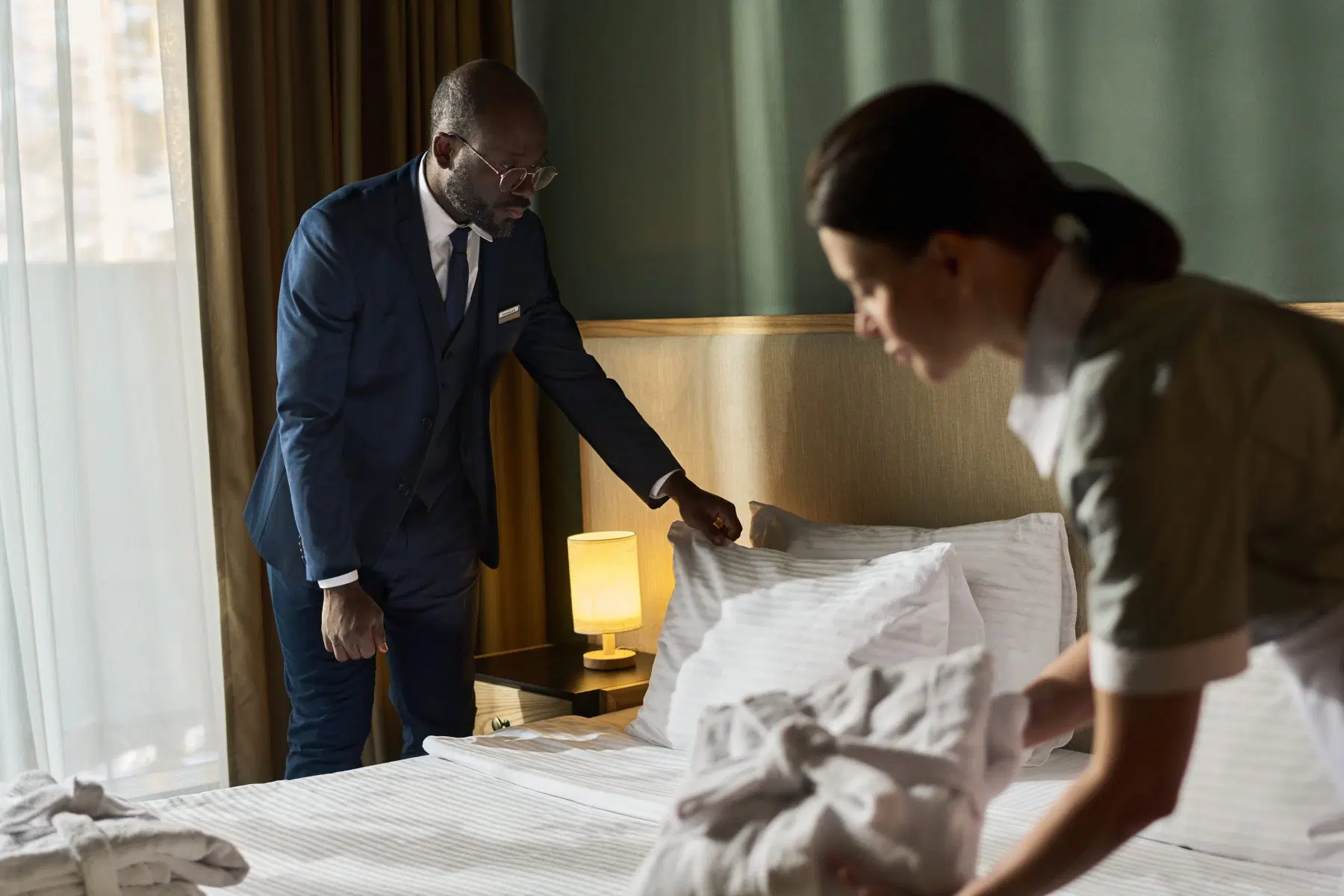
10 Things Hotel Guests Do That Staff Secretly Wish They Would Stop


Checking into a hotel means temporarily escaping many of the responsibilities that come with maintaining your own home. Someone else handles the laundry, cleans the bathroom, replaces the towels, and answers questions whenever something goes wrong. But certain habits that seem harmless to guests can create surprisingly difficult situations for the people responsible for keeping a hotel running.
Affiliate disclosure: This article contains affiliate links. Everybody Loves Your Money may earn a commission if you buy or sign up through links in this article, at no additional cost to you. As an Amazon Associate, Everybody Loves Your Money earns from qualifying purchases.Some behaviors can even leave travelers facing unexpected cleaning charges, replacement fees, or additional room expenses. Here are 10 things hotel guests should reconsider before their next overnight stay.
1. Checking Out Late Without Asking FirstSpending an extra hour relaxing in your hotel room might not seem like a significant inconvenience. However, housekeeping schedules often depend on knowing when rooms will become available for cleaning before new guests arrive. A YouGov survey of American adults found that 79% considered checking out an hour late without permission unacceptable. Some hotels may impose additional charges for unauthorized late departures under their published policies. Ask the front desk about extending your stay instead of assuming nobody will notice the extra time.
Travel PickAmazon Essentials 4-Piece Packing Cube SetThis 4-piece Amazon Essentials packing-cube set (previously Amazon Basics) includes slim, small, medium, and large cubes. Each cube has a mesh top panel, a double zipper, and a webbing handle. The listing has 4.6 stars from more than 42,000 ratings. Sold by Amazon the Packing Cubes As an Amazon Associate, Everybody Loves Your Money earns from qualifying purchases. 2. Leaving Clothing and Luggage Scattered EverywhereHousekeepers aren't necessarily permitted to move personal possessions freely while cleaning occupied rooms. Shoes, charging cables, suitcases, and clothing can obstruct access to floors and furniture, making ordinary cleaning tasks more difficult. Hotel operations professionals interviewed by Travel + Leisure have identified scattered belongings as both an efficiency and safety concern. You don't need to clean the room yourself before leaving for breakfast or sightseeing. Simply keeping personal belongings organized gives housekeeping employees room to perform their work without risking damage to your property.
3. Failing to Report Something That's BrokenDiscovering a leaking faucet, malfunctioning toilet, or damaged piece of furniture doesn't necessarily mean you'll be charged for repairs. Nevertheless, failing to report an existing problem can make it more difficult for hotel management to determine when the damage occurred. A minor plumbing leak could also develop into an expensive maintenance issue affecting multiple rooms. Contact the front desk when you discover damage and document significant preexisting problems with photographs. Early communication can help protect you against disputed charges while giving maintenance employees an opportunity to address the issue.
4. Smoking Inside a Non-Smoking RoomOpening a window or attempting to cover the smell doesn't make smoking in a prohibited room acceptable. Smoke residue can affect carpeting, curtains, furniture, and other surfaces that may require additional cleaning before another guest can occupy the room. Hotels frequently establish smoking penalties in their reservation terms and property policies. A traveler who agreed to a $250 smoking-related cleaning charge could find that one prohibited cigarette substantially increased the cost of the stay. Ask about designated smoking areas and follow the property's rules concerning tobacco, vaping, and other products.
5. Bringing an Undeclared Pet Into the HotelTraveling with a pet can be considerably more convenient when hotels welcome animals. However, individual properties may impose pet fees, designated room assignments, size limitations, or other conditions. An undeclared pet can create additional cleaning requirements or complications when preparing rooms for guests with allergies. Review the hotel's pet policy before booking rather than assuming an animal will go unnoticed. Legally protected service animals are a separate matter and should not automatically be treated as pets under applicable disability laws.
6. Treating Hotel Employees Like Personal Storage AttendantsHotel staff can often help with luggage storage before check-in or after checkout. Problems arise when guests leave belongings in hallways, unattended lobby areas, or other spaces without arranging appropriate storage. These items can create safety concerns and may interfere with housekeeping, maintenance, or emergency access. Ask whether the hotel offers secure luggage storage and whether associated fees or restrictions apply. Keep valuables, medication, identification, and essential travel documents with you whenever possible.
7. Making Large Special Requests at the Last Possible MomentRequesting a crib, accessible room, extra bedding, or connecting rooms is entirely reasonable when those accommodations are important to your stay. Waiting until arrival to communicate significant needs, however, may leave employees scrambling to accommodate requests with limited inventory. Some room preferences aren't guaranteed unless specifically confirmed during the reservation process. Contact the property beforehand to discuss essential arrangements, particularly during holidays and other busy travel periods. Advance planning can also prevent unexpected room upgrades or other expenses associated with changing reservations at the last minute.
8. Leaving Food Waste in Places That Aren't Convenient to CleanTakeout dinners and late-night snacks are part of the appeal of staying in a hotel. However, discarded food beneath beds, inside furniture, or scattered across other surfaces creates unnecessary work and can contribute to unpleasant odors or pest problems. Use designated trash containers and ask the front desk how to dispose of larger quantities of waste. If you accidentally spill a substantial amount of food or liquid, notify housekeeping so the appropriate cleaning products can be used. Prompt attention can sometimes prevent permanent damage that might otherwise result in a cleaning charge.
9. Taking Items That Were Never Included in the Room RateSmall complimentary toiletries may be intended for guests to use or take home, but that doesn't mean every object in the room is a souvenir. Towels, bathrobes, decorative accessories, hangers, and reusable dispensers generally remain hotel property unless otherwise indicated. The YouGov survey found that 86% of respondents considered taking hotel towels unacceptable. Some properties charge guests for missing items under their reservation policies. If you particularly like a bathrobe, pillow, or other amenity, ask whether the hotel sells it rather than quietly adding it to your suitcase.
10. Assuming the Room Rate Includes a Housekeeping TipRoom rates generally cover accommodation and associated services, but they don't necessarily include an individual gratuity for the employee cleaning your room. Likewise, a resort fee or general service charge shouldn't automatically be interpreted as money paid directly to housekeeping employees. Tipping expectations vary by property, country, and applicable service arrangements. If you choose to tip, leaving a clearly identified gratuity each day can help ensure it reaches the employee responsible for that day's service. Setting aside a hypothetical $5 daily gratuity would add $25 to the budget for a five-night hotel stay.
Avoid Turning a Relaxing Vacation Into an Expensive Checkout SurpriseBeing a considerate hotel guest doesn't require doing the housekeeper's job or accepting poor service without complaint. It involves respecting shared spaces, communicating reasonable requests, following property policies, and recognizing that your actions affect other people. Those habits can also protect your wallet against avoidable cleaning expenses, missing-item charges, and unauthorized late-checkout fees. Review the hotel's terms before traveling and ask staff members whenever you're uncertain about a particular policy.
What hotel guest behavior do you find the most inconsiderate when you're traveling?
Legal Disclaimer:
MENAFN provides the
information “as is” without warranty of any kind. We do not accept any
responsibility or liability for the accuracy, content, images, videos,
licenses, completeness, legality, or reliability of the information
contained in this article. If you have any complaints or copyright issues
related to this article, kindly contact the provider above.


Comments
No comment