


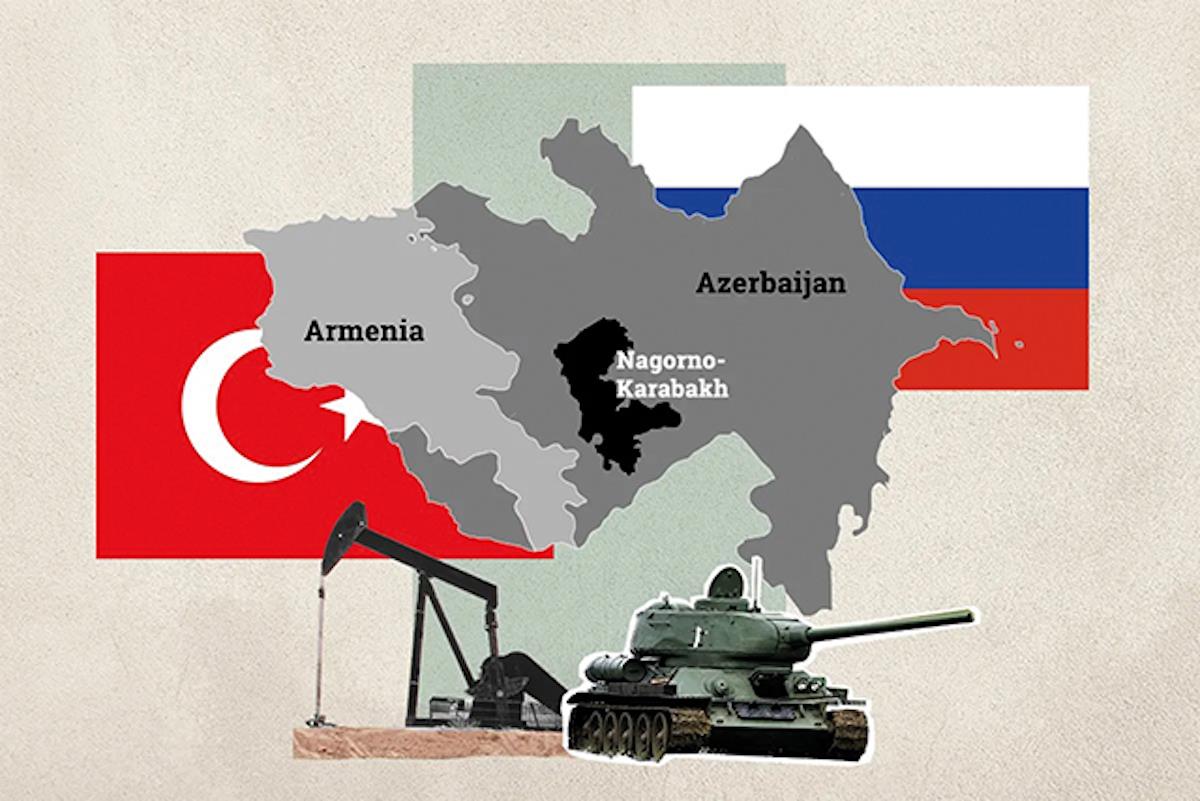
Armenia Between Russia And Turkey In A Shifting South Caucasus


The alliance gave Moscow a military foothold near the Turkish border. Turkey had been a member of NATO since 1952, and I thought Moscow valued its position in Armenia too highly to risk it for the sake of an agreement with Ankara.
In my 2005 study of the South Caucasus, I called the relationship between Russia and Turkey a“geostrategic armistice.” They still competed for influence, but both showed restraint. As late as 2016, this writer argued that closer economic ties between them were unlikely on their own to change the balance of power in Nagorno-Karabakh.
The region, then predominantly Armenian, was internationally recognized as part of Azerbaijan. The authorities of the self-proclaimed Nagorno-Karabakh Republic governed most of it with Armenia's support.
Today, the relationship between Russia and Turkey is best seen as pragmatic cooperation between rivals. And the balance between them has shifted in Turkey's favor.
How Turkey gained influenceTurkey's relations with Azerbaijan have shaped its policy towards Armenia since the early 1990s, as I discussed in a 2021 study of Turkish geostrategy. In 1993, during the first war over Nagorno-Karabakh, Turkey closed its land border with Armenia in support of Azerbaijan.

Legal Disclaimer:
MENAFN provides the
information “as is” without warranty of any kind. We do not accept any
responsibility or liability for the accuracy, content, images, videos,
licenses, completeness, legality, or reliability of the information
contained in this article. If you have any complaints or copyright issues
related to this article, kindly contact the provider above.


Comments
No comment