


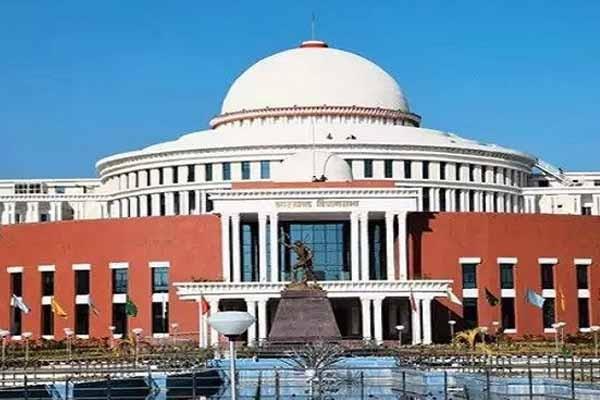
Jharkhand Assembly's Two-Day Special Session Begins, State Govt Seeks Fresh SIR Under Revised Sops


On the first day of the session, the state government moved a resolution calling for the suspension of the current SIR exercise in its existing format and demanding a fresh revision after addressing procedural, technical and documentation-related concerns.
The resolution questions the practical difficulties associated with the ongoing electoral roll revision and urges the Central government to hold consultations with all states and political parties before proceeding further.
While the state government has agreed in principle to conduct the SIR, it has called for a revised framework that takes into account the difficulties faced by eligible voters. It has proposed developing simple, transparent and universally acceptable SOPs through extensive discussions involving all states and political parties, irrespective of their size.
The resolution further proposes that a fresh SIR be conducted in Jharkhand after the revised guidelines are finalised. Following its approval by the Assembly, the government plans to forward the resolution to the Centre.
Citing SIR-related figures in the House, Parliamentary Affairs Minister Radhakrishna Kishore said Jharkhand has approximately 2.64 crore registered voters, while around 2.21 crore names have been included in the draft electoral roll. This means nearly 16 per cent of the voters have been excluded from the draft list.
He further stated that notices had been issued to approximately 27 per cent of voters whose details were considered doubtful. According to the government, more than 75 per cent of these notices were related to logical discrepancies in names and other information.
The government argued that, taken together, more than 38 per cent of the total electorate had either been excluded from the draft list or issued notices, raising concerns about the accessibility and fairness of the process.
Highlighting Jharkhand's social and geographical conditions, the resolution pointed out that tribal communities, particularly Particularly Vulnerable Tribal Groups (PVTGs), migrant workers, students studying in other states, elderly people, and widowed and divorced women could face difficulties in arranging and verifying the prescribed documents.
It also noted that several people have different dates of birth recorded in various government documents, making verification more complicated. The government additionally questioned the Election Commission's decision to exclude Khatian records from the list of accepted documents.
The resolution also referred to the deletion of names and the appeals process during the SIR exercise in West Bengal.
Invoking Article 326 of the Constitution, the government maintained that no eligible citizen should be deprived of the right to vote and that the electoral roll revision process must preserve public confidence in the electoral system.
Meanwhile, on the first day of the special session, BJP MLAs staged a protest outside the Assembly premises over recruitment examinations, employment and other issues.

Legal Disclaimer:
MENAFN provides the
information “as is” without warranty of any kind. We do not accept any
responsibility or liability for the accuracy, content, images, videos,
licenses, completeness, legality, or reliability of the information
contained in this article. If you have any complaints or copyright issues
related to this article, kindly contact the provider above.


Comments
No comment