


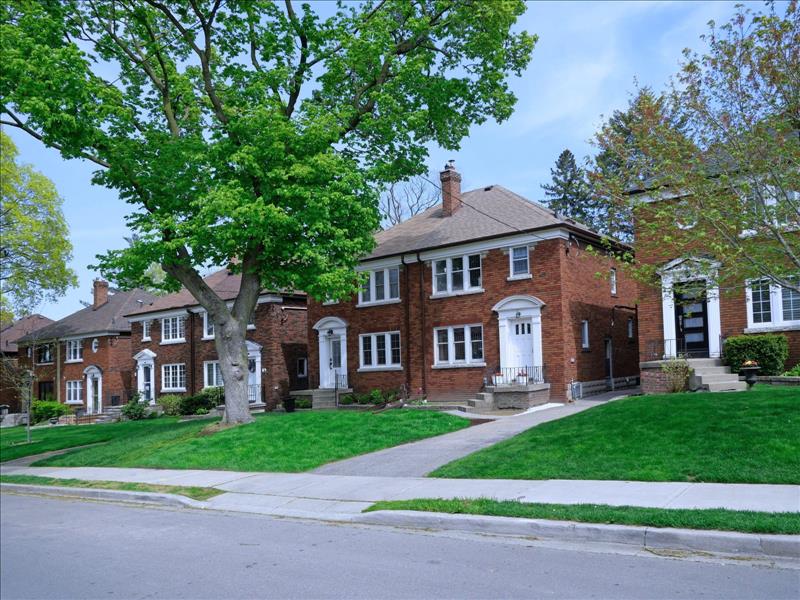
Can Your HOA Force You To Remove A Tree You Planted Years Ago?


You planted a maple tree when your children were little, watched it grow taller than your house, and spent years enjoying the shade it provides. Then a letter from your homeowners association arrives demanding that you remove it. Suddenly, a tree you've lovingly maintained for decades has become the subject of a neighborhood dispute.
Can your HOA force you to remove a tree that has been growing on your property for years? The answer depends on your community's governing documents, applicable laws, and the reason the association wants it gone.
Owning the Property Doesn't Automatically Settle the DisputeBuying a home in an HOA community generally means accepting certain recorded restrictions on how the property can be used. Those restrictions may extend to landscaping, tree placement, permitted species, and maintenance responsibilities. However, an association's authority isn't unlimited simply because it manages the neighborhood. The board must have appropriate authority under its governing documents and applicable law to enforce a particular requirement. Ask the association to identify the specific provision that requires your tree's removal.
Why an HOA Might Suddenly Object to an Older TreeA tree that presented no problems when planted can become a source of concern as it matures. Its roots might interfere with sidewalks, underground infrastructure, or shared landscaping, while branches could extend into neighboring properties. Some associations also maintain rules addressing invasive species, visibility near intersections, or trees growing within designated easements. A complaint from another homeowner may prompt the board to investigate something that previously received little attention. Understanding the actual objection can help you determine whether removal is necessary or another solution is available.
Find Your Original Landscaping ApprovalIf you received written permission to plant the tree, that document could become particularly valuable during a dispute. Search old emails, architectural review applications, landscaping plans, and correspondence with previous board members. An approval may help establish that the association accepted the tree's original placement and species. Nevertheless, permission to plant a tree doesn't necessarily prevent the HOA from addressing future safety hazards or other enforceable violations. Review the approval's conditions before assuming it provides permanent protection.
Does the Tree's Age Give You Grandfathered Rights?Homeowners sometimes assume that anything existing for several years automatically becomes exempt from newer community rules. Unfortunately, grandfathering isn't a universal protection that applies to every landscaping feature. Your association's documents, amendment procedures, enforcement history, and state law may all influence whether a newer restriction applies to an existing tree. Florida's architectural control statute, for example, places limits on HOA architectural authority and requires equitable enforcement of authorized standards. A longstanding tree may strengthen your argument, but its age alone doesn't guarantee that you can keep it.
An Arborist Could Help You Challenge the Removal DemandWhen an association claims that a tree is dangerous, an independent professional assessment can provide information that goes beyond appearances. A certified arborist may identify structural weaknesses, disease, root problems, or other conditions affecting the tree's safety. Alternatively, the assessment might reveal that selective pruning or another intervention could address the concern without complete removal. The International Society of Arboriculture offers consumer resources for locating qualified tree care professionals. Request written findings that you can submit to the HOA during its review process.
Local Tree Protection Laws May Complicate the HOA's RequestSome municipalities protect mature trees, heritage specimens, or native species through local ordinances. Removing a protected tree without authorization could expose a homeowner to penalties even when the HOA requested the work. State legislation may also affect local tree removal requirements under specific circumstances. Florida Statute 163.045, for instance, limits local government permitting requirements for certain professionally documented hazardous residential trees. That particular law addresses government restrictions rather than automatically eliminating private HOA covenants, so investigate both sets of rules before proceeding.
Who Pays if the HOA Requires Tree Removal?Financial responsibility depends on the tree's ownership, location, governing documents, and circumstances surrounding the removal. Homeowners may be responsible for maintaining trees on their individual lots, while associations often manage vegetation in designated common areas. Shared maintenance arrangements and easements can complicate that distinction. Before accepting a contractor's estimate, request written confirmation of who is responsible for removal, stump grinding, debris disposal, and any required replacement planting. Don't assume the association must pay simply because it initiated the request.
Removing a Mature Tree Could Cost More Than You ExpectA tree removal estimate may not account for every expense associated with restoring your yard. Suppose a contractor quotes $1,400 for removal, $250 for stump grinding, and another $200 for repairs to surrounding landscaping. Your total expenditure would reach $1,850 before purchasing a replacement tree or addressing additional damage. Removing established shade may also increase sunlight exposure around your home and garden. Consider those longer-term consequences when evaluating alternatives to complete removal.
Don't Ignore a Formal Violation NoticeRefusing to respond because you believe the HOA is wrong could make the situation unnecessarily expensive. Review the notice for response deadlines, hearing opportunities, proposed penalties, and appeal procedures. Submit relevant photographs, original approvals, professional assessments, and references to applicable rules. Keep copies of all communications and avoid relying exclusively on informal conversations with individual board members. If substantial fines or legal action are threatened, consider consulting an attorney familiar with community association law in your state.
Propose a Solution That Doesn't Require Losing the TreeComplete removal may not be the only way to address a legitimate landscaping problem. Professional pruning, sidewalk modifications, or other site-specific interventions could sometimes resolve concerns about branches or infrastructure. Such measures should be evaluated carefully because improper pruning or root cutting can destabilize a mature tree. Present a written proposal supported by qualified professional advice rather than promising to fix the problem yourself. A practical compromise could preserve the tree while costing less than a prolonged legal dispute.
Your Old Tree May Be Worth DefendingA mature tree represents years of growth, established habitat, enjoyable shade, and considerable landscaping value. Before agreeing to remove it, determine whether the HOA has the authority to enforce its demand and whether safer, less expensive alternatives exist. Your original approval and applicable tree protection laws may provide important support during that conversation. Acting promptly and documenting your position can help protect both your landscape and your household budget.
Would you challenge your HOA's decision if it demanded that you remove a healthy tree you'd maintained for decades?
Legal Disclaimer:
MENAFN provides the
information “as is” without warranty of any kind. We do not accept any
responsibility or liability for the accuracy, content, images, videos,
licenses, completeness, legality, or reliability of the information
contained in this article. If you have any complaints or copyright issues
related to this article, kindly contact the provider above.


Comments
No comment