


Why Switzerland Is Using Its Strategic Diesel And Jet Fuel Reserves


I cover climate change and energy through reportages, articles, interviews and in-depth reports. I am interested in the impacts of global warming on everyday life and solutions for an emission-free planet. Passionate about travel and discovery, I studied biology and other natural sciences. I have been a journalist for SWI swissinfo for more than 20 years.
-
More from this aut
Italian Departm
-
Italiano
it
La Svizzera“in riserva” – perché il Paese sta utilizzando le scorte di diesel e cherosene
Original
Read more: La Svizzera“in riserva” – perché il Paese sta utilizzando le scorte di diesel e cher
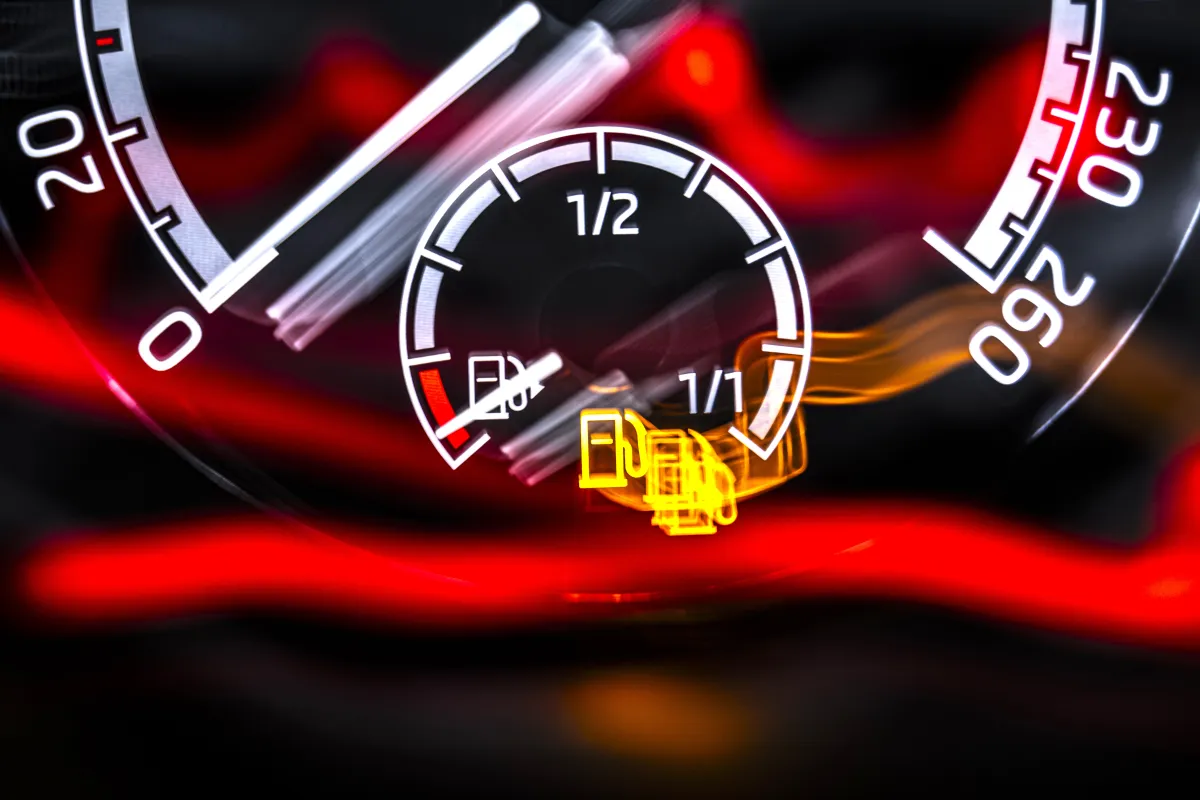
Switzerland does not want to run out of fuel. Like all industrialised countries, it has built up strategic stocks of petroleum products to prevent fuel shortages for cars and aircraft. In recent weeks, authorities have authorised the release of millions of litres of diesel and jet fuel.
This is an exceptional measure, but not an unprecedented one. This year, however, supply challenges have become particularly acute. And the release of reserves has raised several questions.
Why does Switzerland maintain petroleum product reserves?Switzerland has no oil wells or natural gas fields. As a result, it must import all the fossil fuels it consumes. Roughly one-third of the country's needs are imported as crude oil and then refined into diesel and petrol at Switzerland's only refinery, located in Cressier in canton Neuchâtel. The remaining two-thirds arrive in the country as refined petroleum products.
Switzerland established mandatory reserves to safeguard supplies in the event of crises, wars or disruptions to international trade. Since 1932, the federal government has required companies importing fuels and liquid fuels to hold permanent stocks of petrol, diesel, jet fuel and heating oil. These products are stored in facilities across the country.
>> Where do Switzerland's oil and gas supplies come from?
Why is Switzerland drawing on its strategic reserves?The main reason is the low water level of the Rhine, one of the country's most important freight transport routes. Due to persistent drought conditions, ships haven't been able navigate normally or have had to operate with reduced loads. This has limited freight capacity on the river and therefore reduced Switzerland's imports of fossil fuels by waterway.
Although rainfall in November allowed river transport to resume, shipments have not made up for the supply shortfalls accumulated over recent months, the Federal Office for National Economic Supply (FONES) statedExternal link on November 19.
Alternative transport modes, such as road and rail, are already operating under pressure and could only partially compensate for the decline in Rhine shipments. In October, closures on Germany's Rhine Valley railway line caused delays and the cancellation of numerous freight trains.
According to FONES, reduced refinery capacity in southern France and Germany due to maintenance work has also affected the availability of petroleum products, particularly jet fuel. Temporary shortages of diesel, meanwhile, have been linked to heavy rainfall in southern France in the second half of October. Flooding, power outages and damage to oil infrastructure disrupted pipeline deliveries.
Tensions in the Middle East and disruptions to oil and gas transport through the Strait of Hormuz have had no direct impact on supplies in Switzerland. They have increased the price of fuel and heating oil – with diesel rising from CHF 1.79 per litre on February 26 to CHF 2.29 on November 19 – but have not affected availability. but have not affected availability.
How much jet fuel and diesel has been released so far?Switzerland's delegate for national economic supply authorised the release of 80,000 cubic metres of jet fuel between October 15 and November 29. This volume corresponds to 17.4% of the mandatory reserve and would be enough to fill the tanks of an Airbus A320 more than 3,000 times.
The country released an additional 45,000 cubic metres of diesel between October 23 and November 22. A further 35,000 cubic metres were released for the period from November 23 to December 20. This represents around 6.5% of the mandatory stocks currently available and would be sufficient for approximately 1.6 million fill-ups of a passenger car with a 50-litre fuel tank.
Pfister had already authorised the release of part of the reserves in September, including 30,000 cubic metres of diesel and 30,000 cubic metres of petrol, following a temporary shutdown at the Cressier refinery.
Products from compulsory reserves are sold at current market prices, the FONES points out.
How long would Switzerland's petroleum reserves last?Mandatory stocks of petrol, diesel and heating oil must be sufficient to cover Swiss demand for 135 days. Mandatory jet fuel stocks are required to cover 90 days of consumption.
At the end of September, however, jet fuel reserves were below the legally prescribed level and would have covered only 76 days of demand. According to FONES, the shortfall is primarily due to the sharp increase in aviation fuel demand since the end of the Covid-19 pandemic, and the fact that stock adjustments occur gradually.
These calculations are based on an extreme scenario in which imports stop completely while demand remains unchanged. In practice, Switzerland has always been able to continue importing petroleum products, albeit in smaller quantities. Furthermore, fuel consumption typically declines when prices rise during shortages. As a result, the reserves would likely last considerably longer than the official target figures suggest.
>> Watch this video explaining why Switzerland remains so heavily dependent on fossil fuels:
More More Energy transition How does Switzerland use fossil fuels?This content was published on Oct 6, 2026 Half of Swiss homes are heated with oil or gas, and transport remains a major source of fossil fuel use.
Read more: How does Switzerland use fossil f
Legal Disclaimer:
MENAFN provides the
information “as is” without warranty of any kind. We do not accept any
responsibility or liability for the accuracy, content, images, videos,
licenses, completeness, legality, or reliability of the information
contained in this article. If you have any complaints or copyright issues
related to this article, kindly contact the provider above.


Comments
No comment