


Japan Wants A Bigger Say In Where Its $550 Billion Goes In The US


On November 19, Tadashi Maeda told Reuters he wanted Japan involved in originating investments, rather than merely assessing proposals put forward by Washington. The initiative has announced seven projects worth more than $100 billion.
The question now is how much control should and will Tokyo have over the outlays.
The $550 billion framework followed the 2025 trade negotiations that lowered US tariffs on Japanese imports to 15%. It is a financing envelope, not $550 billion already transferred. Loans, guarantees and other instruments remain subject to individual project decisions.
According to a Federal Reserve Bank of St. Louis analysis, Washington selects and manages the projects. Japan may decline funding, but the United States can respond by increasing tariffs. That gives Tokyo a formal choice, albeit under considerable commercial pressure.
The cash-flow terms warrant scrutiny. Proceeds are initially split equally until Japan recovers a defined amount covering the financing principal and applicable interest. Afterward, the US receives 90% of the distributable cash flow and Japan 10%.
Latest stories Yuan strength is changing the math on dollar holdings Google's AI helps a thriller writer-investor think about Micron Huang comeback, Trump data center push recharge US AI stocksThis is not guaranteed repayment. In an illustrative 30-year model assuming a 10% annual project return, the St. Louis Fed calculated that Japan's discounted receipts could be worth only 65.2 to 76.9 cents for each dollar committed. Those figures are scenarios, not forecasts, but they show how a project can produce cash without producing an attractive return for its principal financier.
Japan may still benefit from tariff relief, greater supply-chain security and US contracts for Japanese suppliers. But the gains need not accrue to the same institutions that bear the financing risk.
A Japanese public lender could earn an inadequate return while private equipment makers secure profitable orders. That distinction makes Maeda's demand for a say in project selection a question of financial accountability, not diplomatic etiquette.
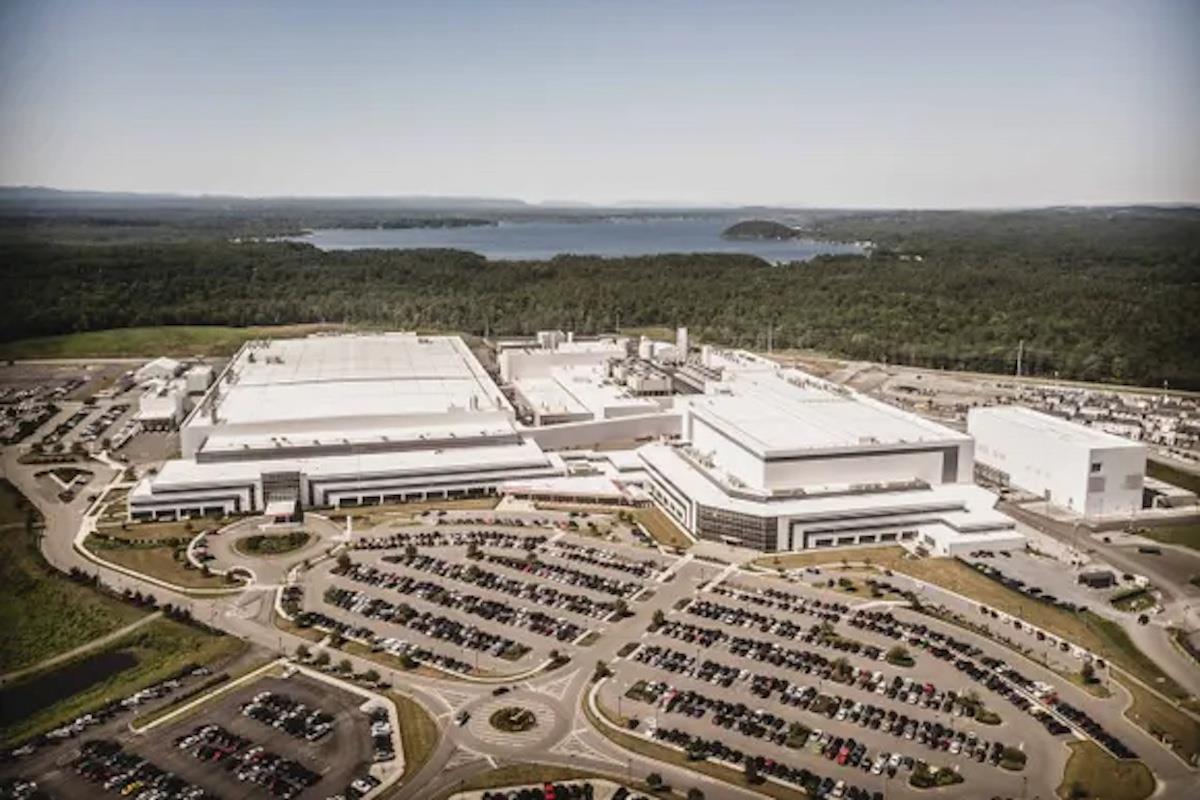
Fab returns?On November 13, GlobalFoundries broke ground on a semiconductor factory in Malta, New York. It is the first phase of a US-Japan initiative providing up to $21 billion for two fabs. Approximately $10 billion is planned for the first facility, along with $570 million in New York State incentives. Operations are targeted for 2029.
Japan is providing financing, while GlobalFoundries supplies manufacturing technology and operates the plant. In a separate arrangement, the US Commerce Department is to receive approximately 4% of GlobalFoundries equity. But a state interest in the company should not be confused with state ownership of the new factories.
The industrial logic of the deal is clear. The United States gains domestic production capacity, GlobalFoundries supplies technology and operating expertise without financing the entire development itself and Japanese materials and equipment firms stand to win business.
That distribution of roles does not guarantee that the new facilities will earn an adequate return on invested capital, or that the public financing institutions will share proportionately in any industrial gains.
A plant can improve supply security and still disappoint financially. Utilization, pricing, construction costs and the duration of customer commitments will determine the difference. These questions matter especially when national governments are involved in allocating the capital.
South Korea is pursuing a separate financing arrangement. Its first selected project, Project Star, is a planned $22.3 billion gas-fired complex in Texas intended to supply approximately 6.47 gigawatts of power to AI data centers. On October 6, Yonhap reported that Seoul's finance minister confirmed a $2.4 billion transfer for the project.
Like with Japan, Korean companies may benefit from equipment and engineering orders, but prospective supplier revenue is not a guaranteed return on public financing. Nor should the Japanese cash-flow formula be assumed to apply to Korea's separate agreement.
Sign up for one of our free newsletters-
The Daily Report
Start your day right with Asia Times' top stories
AT Weekly Report
A weekly roundup of Asia Times' most-read stories
Ultimately, Japan is being asked to arrange substantial public-backed financing for projects selected primarily in Washington, under terms that can leave its financing institutions with a negative present value even if the projects produce positive cash flows.
Tariff relief and contracts for private Japanese suppliers may still create broader benefits, but neither automatically offsets losses borne by the financiers. Maeda's request for a greater role in originating projects follows from the risks of that arrangement.
If Tokyo must assess repayment risk, construction overruns and the opportunity cost of capital, it has cause to seek influence before projects reach the funding stage, not merely the right to reject them afterward under the shadow of possible tariff penalties.
The Trump administration has shown that trade negotiations can mobilize allied capital for reviving American industry. The harder test is whether those providing the financing will have enough say over the choices that determine its profits or losses.
Japan has agreed to invest in the US. It is now asking who gets to decide what exactly it is financing.
Ron Honig is co-CEO and managing partner of From-Honig Family Office. He has more than two decades of experience in the semiconductor industry, including at Intel.
Sign up here to comment on Asia Times stories OrThank you for registering!
-
Share on X (Opens in new window)
Share on LinkedIn (Opens in new window)
LinkedI
Share on Facebook (Opens in new window)
Faceboo
Share on WhatsApp (Opens in new window)
WhatsAp
Share on Reddit (Opens in new window)
Reddi
Email a link to a friend (Opens in new window)
Emai
Print (Opens in new window)
Prin

Legal Disclaimer:
MENAFN provides the
information “as is” without warranty of any kind. We do not accept any
responsibility or liability for the accuracy, content, images, videos,
licenses, completeness, legality, or reliability of the information
contained in this article. If you have any complaints or copyright issues
related to this article, kindly contact the provider above.


Comments
No comment