


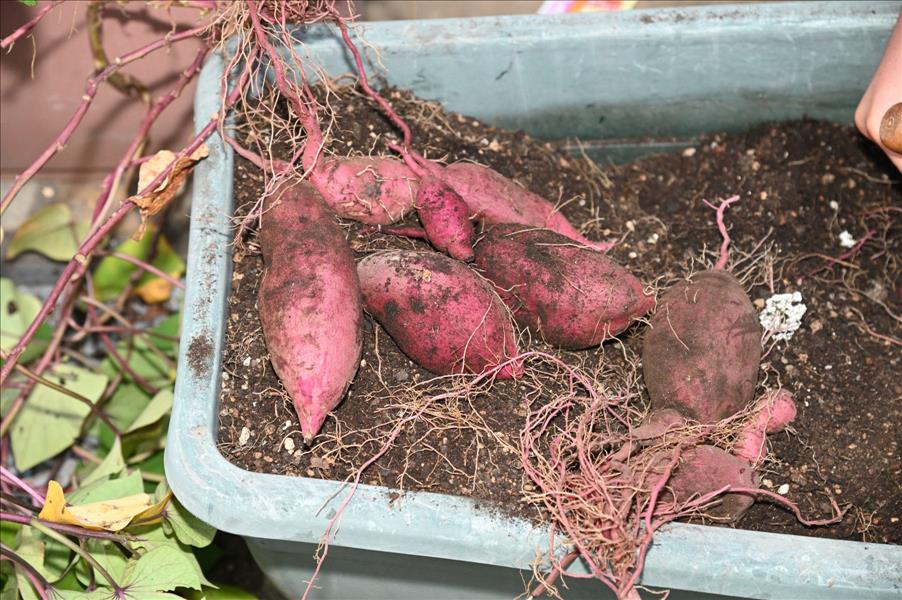
What Happens If You Put A Whole Potato In A Flowerpot?


You've probably discovered a forgotten potato in your kitchen cabinet with strange little sprouts growing from its surface. Most people would toss it into the trash or compost bin without giving it another thought. But what would happen if you buried that entire potato in a flowerpot, added some water, and waited? Could one unwanted grocery-store potato eventually turn into a container full of fresh potatoes?
The experiment is surprisingly simple, and under the right conditions, it can actually work. However, there's a difference between getting a potato to sprout and producing a healthy, worthwhile harvest.
A Whole Potato Can Grow Into a New PlantPotatoes don't need to be planted from traditional seeds to produce new plants. Instead, gardeners typically grow them from tubers or pieces of tubers containing small buds called eyes. The University of Maryland Extension explains that these eyes can develop into shoots that eventually produce new potato plants. A whole potato with viable eyes can sprout when conditions are suitable. However, simply burying one in a flowerpot doesn't guarantee successful growth.
The Potato's Eyes Are Where the Action StartsThose little indentations scattered across a potato's surface are more important than they appear. Each eye contains a bud capable of developing into a new shoot. When a potato begins sprouting, stored energy inside the tuber supports the early stages of plant growth. Roots and green shoots can eventually develop as the plant establishes itself. If the potato has been treated to prevent sprouting, however, the process may be delayed or unsuccessful.
Grocery Store Potatoes Aren't Always the Best ChoiceA potato from the supermarket might sprout successfully, but gardening experts generally advise against using grocery-store potatoes for planting. The University of Minnesota Extension notes that commercially sold potatoes may be treated with sprout inhibitors. They can also carry diseases that aren't immediately visible on the potato's surface. Some pathogens can persist in growing media or spread to other plants in the same family, including tomatoes. Certified disease-free seed potatoes provide a more reliable starting point for gardeners interested in producing food.
A Small Flowerpot Probably Won't Produce MuchPotato plants need room for roots and developing tubers beneath the soil. A decorative flowerpot that comfortably holds a houseplant may not provide enough space for a productive potato crop. The University of New Hampshire Extension recommends containers with approximately 10 to 15 gallons of capacity for growing potatoes. Smaller containers may support some growth but can limit the harvest and make watering more difficult. A large bucket or reused planter with drainage holes is generally more practical than a small ceramic flowerpot.
Here's How to Try the ExperimentIf you're curious about growing a potato in a container, start with a healthy certified seed potato rather than a questionable kitchen leftover. Choose a large, opaque container with drainage holes and add several inches of quality potting mix. Place the potato with its eyes facing upward, then cover it with approximately three inches of growing medium. Keep the soil consistently moist without allowing it to become waterlogged. Position the container where the developing plant can receive at least six hours of direct sunlight daily.
You Don't Have to Cut the Potato FirstGardeners often cut larger seed potatoes into smaller pieces before planting. Each piece needs at least one healthy eye capable of producing new growth. However, small seed potatoes can be planted whole, eliminating the need to expose cut surfaces. University extension guidance suggests allowing cut pieces to dry before planting to reduce the risk of rotting. For a simple container experiment, planting a small, whole certified seed potato can be easier than dividing a large one.
What Happens After the Shoots Appear?Once the potato begins growing, green shoots should eventually emerge above the soil. These shoots develop leaves that capture sunlight and provide energy for the plant. As the stems grow taller, gardeners can gradually add more potting mix while leaving the upper leaves exposed. This practice helps keep developing tubers covered and protected from sunlight. Under suitable conditions, new potatoes form underground as the plant continues through its growing season.
Don't Make the Mistake of OverwateringA buried potato contains considerable moisture and stored nutrients, making excessive watering particularly problematic. If the growing medium remains saturated, the original tuber or developing roots may rot. Containers without drainage holes are especially risky because water can accumulate at the bottom. The University of Maryland's container gardening guidance emphasizes the importance of drainage and warns that adding gravel doesn't solve poor drainage. Water when needed to maintain evenly moist soil rather than following a rigid daily watering schedule.
Can One Potato Really Produce Several More?Under favorable growing conditions, one healthy seed potato can produce a plant that develops multiple new tubers. The actual harvest depends on variety, growing conditions, container size, nutrition, and the length of the growing season. Some plants produce several small potatoes, while others may yield larger tubers when given adequate space. However, planting a whole potato doesn't automatically produce more food than planting an appropriately sized seed piece. A poorly managed container may produce little or nothing despite healthy-looking foliage.
November Isn't the Best Planting Time EverywhereThe timing of this experiment matters, especially for gardeners dealing with freezing winter temperatures. Potatoes generally perform best during cool growing conditions but can be damaged by hard freezes. The University of Maryland Extension recommends spring planting dates for much of its region, while warmer climates may have different seasonal opportunities. A potato planted outdoors in November may fail to establish before winter in colder areas. Gardeners should check local extension planting calendars rather than assuming potatoes can grow outdoors year-round.
What About Growing Potatoes Indoors?A potato can sprout indoors, but producing a substantial harvest requires more than keeping a flowerpot near a window. Indoor plants need sufficient light, appropriate temperatures, adequate root space, and consistent moisture. The University of Saskatchewan's gardening guidance notes that indoor potato growing generally requires supplemental lighting. A sunny window may produce green shoots without providing enough light for strong tuber development. For gardeners without grow lights, waiting for the appropriate outdoor planting season is often more practical.
Watch Out for Green PotatoesDeveloping potato tubers should remain covered by soil or another appropriate growing medium. Exposure to sunlight can cause their skin to turn green and may increase levels of naturally occurring toxic glycoalkaloids. The Penn State Extension advises against eating green potatoes because these compounds can cause illness. Keeping the developing tubers covered helps reduce the risk of greening. Never eat the potato plant's leaves, stems, or small tomato-like fruits, which aren't edible parts of the crop.
Is Growing Potatoes in Pots Actually Frugal?Container gardening can reduce grocery expenses when gardeners reuse suitable containers and produce worthwhile harvests. However, purchasing a large planter, potting mix, fertilizer, and seed potatoes can make the first growing season more expensive than buying potatoes at the supermarket. A reused food-safe bucket with drainage holes may help lower startup costs. The financial value improves when supplies can be used across multiple growing seasons and for different crops. Consider the experiment a learning opportunity first rather than assuming one potato will generate substantial grocery savings.
Burying a whole potato in a flowerpot can produce a new plant, provided the tuber is viable and growing conditions are suitable. But the size of the container, drainage, sunlight, and disease risk all influence whether that plant produces usable potatoes. Certified seed potatoes are a safer choice than supermarket leftovers, particularly when growing food near other garden crops. With the right supplies and timing, container potatoes can become an enjoyable way to experiment with growing your own food.
Have you ever planted a sprouting potato from your kitchen, and did it actually produce a harvest?
Legal Disclaimer:
MENAFN provides the
information “as is” without warranty of any kind. We do not accept any
responsibility or liability for the accuracy, content, images, videos,
licenses, completeness, legality, or reliability of the information
contained in this article. If you have any complaints or copyright issues
related to this article, kindly contact the provider above.


Comments
No comment