


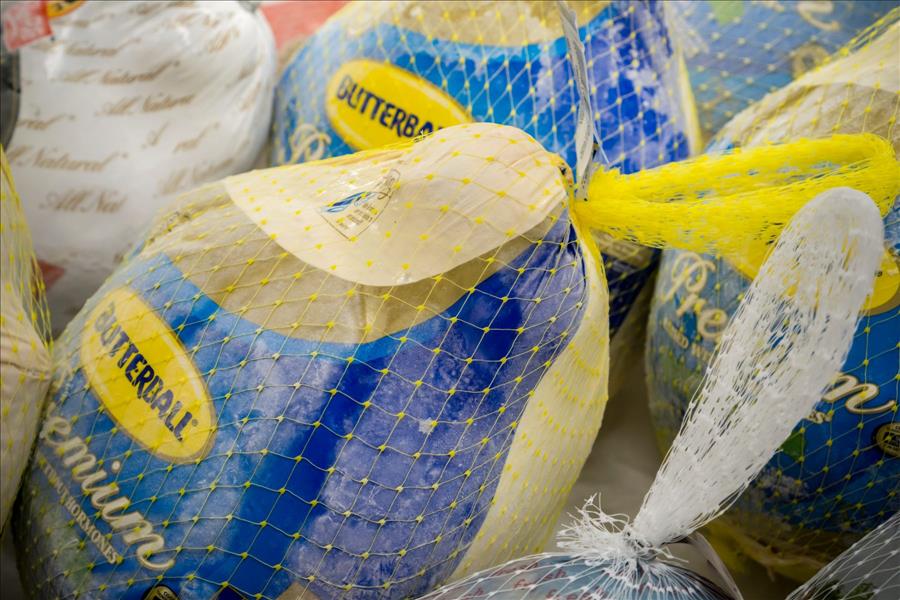
The Frozen Turkey Thawing Mistake That Could Ruin Thanksgiving Dinner


Thanksgiving dinner takes plenty of preparation, but one mistake with the turkey can create problems before it ever reaches the oven. Every year, home cooks underestimate how long a frozen turkey needs to thaw and look for ways to speed up the process. One common shortcut is leaving the bird on the kitchen counter overnight. Although the center may still feel frozen, the outer portions can become warm enough for harmful bacteria to multiply. With Thanksgiving approaching, knowing how to thaw a turkey safely can help protect your holiday meal and prevent a last-minute food safety problem.
GroceryCouponGuide may earn a commission when you buy through links in this article.
Leaving a Frozen Turkey on the Counter Is the Biggest MistakeA frozen turkey should never be left on the kitchen counter to thaw, even if it seems like the easiest solution. As the outside begins to defrost, it can enter the temperature danger zone between 40°F and 140°F, where bacteria multiply rapidly. The center of the bird may remain frozen while the surface becomes unsafe. This is why leaving a turkey out overnight is not a safe way to prepare it for Thanksgiving. According to the CDC, a turkey left at room temperature for more than two hours can become unsafe even when parts of it are still frozen.
The same warning applies to thawing a turkey in hot water, in a garage, or outdoors. These locations do not provide the consistent temperatures needed for safe thawing. Cooking the turkey afterward does not make unsafe handling acceptable, so it is important to start with a safe thawing method. If a turkey has been sitting on the counter for several hours, do not assume it is safe simply because the inside remains icy. Following recommended thawing instructions is much safer than trying to rescue a bird left out too long.
A Large Turkey Can Take Several Days to ThawThe safest and easiest method for most households is refrigerator thawing, but it requires planning. The USDA recommends allowing approximately 24 hours for every 4 to 5 pounds of turkey in a refrigerator set at 40°F or below. That means a 12-pound turkey may need about three days, while a 20-pound bird can require four to five days. Larger turkeys can take nearly a week to thaw completely. Waiting until the night before Thanksgiving can leave home cooks with a partially frozen bird and limited safe options.
Use the turkey's weight to determine when to move it from the freezer to the refrigerator. Keep it in its original wrapping and place it inside a tray or container to catch any leaking juices. Store it on a low refrigerator shelf so raw poultry juices cannot drip onto other foods. Once completely thawed in the refrigerator, the turkey can remain refrigerated for another one to two days before cooking. Planning around the bird's actual weight can prevent unnecessary stress on Thanksgiving morning.
Cold-Water Thawing Can Help If You're Running Out of TimeIf you forgot to move the turkey into the refrigerator early enough, cold-water thawing is an approved alternative. This method takes about 30 minutes per pound, making it much faster than refrigerator thawing. Keep the turkey in its original leakproof packaging or place it in a leakproof plastic bag before submerging it in cold tap water. The bird must remain completely covered, and the water needs to be changed every 30 minutes. These steps help keep the turkey cold while it defrosts.
A 12-pound turkey may take approximately six hours using this method, while a 20-pound bird can require around 10 hours. Unlike refrigerator thawing, cold-water thawing requires immediate cooking once the turkey is completely defrosted. Do not put it back in the refrigerator to cook the following day. This method also requires more attention because someone needs to keep track of the water changes. It can save time, but it should not become an excuse to leave the turkey unattended in standing water for hours.
Your Microwave Is Another Option, but Size MattersSome home cooks may consider using a microwave to thaw a smaller turkey or turkey breast. This is another approved method, provided the appliance can accommodate the bird's size. Follow the microwave manufacturer's instructions for thawing time, weight limits, and power settings. Remove non-microwave-safe packaging and place the turkey in an appropriate dish to catch leaking juices. Because some portions may begin cooking during the process, the turkey must be cooked immediately after microwave thawing.
This option is not practical for every Thanksgiving turkey. A large bird may not fit inside a standard microwave, and uneven thawing can make the process more difficult. If the turkey is too large for the appliance, use the refrigerator or cold-water method instead. It is also important not to partially thaw a turkey in the microwave and then leave it sitting for several hours. Once microwave thawing begins, plan to move directly into cooking.
Partner Pick

Costco 1-Year Gold Star Membership + $45 Digital Costco Shop Card
Purchase a 1-Year Costco Gold Star Membership and get a $45 Digital Costco Shop Card. Deal Price $65.00. Valid for new members only or for members whose memberships have been expired for more than 18 months. Only available to U.S. & Puerto Rico customers. Promotion code must be purchased by 12/20/26 and redeemed by January 31, 2027.
View the offer
One reason thawing mistakes cause so much frustration is that a turkey may look ready on the outside while remaining frozen inside. Ice in the cavity can make it difficult to remove the giblets and neck, and frozen areas can affect how evenly the bird cooks. A partially frozen turkey may also require additional cooking time, disrupting plans for side dishes and dinner service. That can leave the cook trying to coordinate several Thanksgiving dishes while waiting for the main course to finish. Checking the turkey's condition before Thanksgiving morning can help avoid this situation.
If you discover that the turkey is still partially frozen, do not place it on the counter to finish thawing. Continue using an approved method, such as cold-water thawing with the required water changes. The USDA also provides guidance for cooking a turkey from frozen, although the cooking time will be longer than for a fully thawed bird. Regardless of the method, use a food thermometer to confirm that the thickest parts reach 165°F. Do not rely on the color of the meat, cooking time alone, or a pop-up timer to determine whether the turkey is safe.
How to Plan Ahead for Thanksgiving Turkey DayThe easiest way to avoid a thawing emergency is to check the turkey's weight as soon as you bring it home. Write down the date it needs to move into the refrigerator and make room on a lower shelf before transferring it from the freezer. Keep the refrigerator at 40°F or below and place the turkey in a container that can catch any leaking juices. If you are preparing other Thanksgiving ingredients at the same time, keep raw poultry separate from ready-to-eat foods. These small steps can make the days leading up to Thanksgiving much easier.
It also helps to avoid waiting until the last minute to check whether the turkey has thawed. Give yourself enough time to use the refrigerator method, which requires the least hands-on attention. If your schedule changes, make a safe backup plan rather than resorting to countertop thawing. The University of Georgia Cooperative Extension's 2026 holiday food safety guidance includes a helpful thawing chart based on turkey weight. Checking that information before the holiday can help you plan a realistic cooking schedule.
A Safe Thaw Is the First Step Toward a Successful ThanksgivingA frozen turkey needs more time than many home cooks expect, and rushing the process can create unnecessary food safety risks. Never thaw the bird on the counter, in hot water, or anywhere temperatures cannot be controlled. Refrigerator thawing is the preferred option, while cold-water and microwave methods offer alternatives when time is limited. The key is following the instructions for whichever method you choose. A little preparation can prevent a partially frozen turkey from becoming a Thanksgiving Day emergency.
Want the free grocery savings guide?
Get our state-by-state guide to the cheapest grocery stores, plus savings tips and hand-picked deals twice a month.
Email addressFree. Unsubscribe anytime.

Legal Disclaimer:
MENAFN provides the
information “as is” without warranty of any kind. We do not accept any
responsibility or liability for the accuracy, content, images, videos,
licenses, completeness, legality, or reliability of the information
contained in this article. If you have any complaints or copyright issues
related to this article, kindly contact the provider above.


Comments
No comment