


UAE Among World's Lowest-Emission Oil Producers Per Barrel, New Study Finds


According to a new study by the Fraser Institute, a Canadian think tank, the UAE produces oil with the fourth-lowest greenhouse gas emissions per barrel among the world's 20 largest producers.
Recommended For YouStay up to date with the latest news. Follow KT on WhatsApp Channels.
At 75 kilograms of carbon dioxide equivalent per barrel of oil equivalent (kg CO2e/boe) in 2022, the UAE sits 41 per cent below the 20-country average of 127 kg CO2e/boe. Only Norway (36), Saudi Arabia (66) and Kuwait (73) recorded lower figures.
The UAE also outperformed the US (83), Brazil (82) and Canada (91). Among its Gulf neighbours, Qatar (102), Oman (104) and Iraq (105) all recorded higher intensities.
The UAE has introduced several measures to reduce greenhouse gas emissions and combat climate change as part of its commitment to achieving net-zero emissions by 2050. These include expanding renewable energy projects, particularly solar power, investing in clean energy technologies and improving energy efficiency across industries, buildings and transport.
The country is also promoting electric and hybrid vehicles, expanding public transport and encouraging sustainable urban development. Initiatives such as the UAE Energy Strategy 2050 and the National Climate Change Plan aim to reduce the carbon footprint, diversify energy sources and support a transition towards a low-carbon economy.
The government is also investing in nuclear energy, hydrogen production, carbon capture technologies and mangrove restoration to support emissions reduction and strengthen environmental sustainability.
Adnoc is implementing several initiatives to reduce its carbon footprint, including electrifying offshore facilities, using solar and nuclear power, improving energy efficiency and reducing gas flaring and methane emissions. It is also investing in carbon capture and storage technologies, with a target of capturing 10 million tonnes of CO2 annually by 2030, supporting its net-zero emissions ambition by 2045.
At the other end of the scale, according to Fraser Institute, Venezuela posted 397 kg CO2e/boe, more than five times the UAE's level, followed by Libya (183) and Iran (182). The study is based on the data of the International Energy Agency (IEA).
The report splits emissions into three categories. The UAE recorded 40 kg CO2e/boe for extraction, processing and refining, against an average of 48. It recorded 5 for transport, in line with the average.
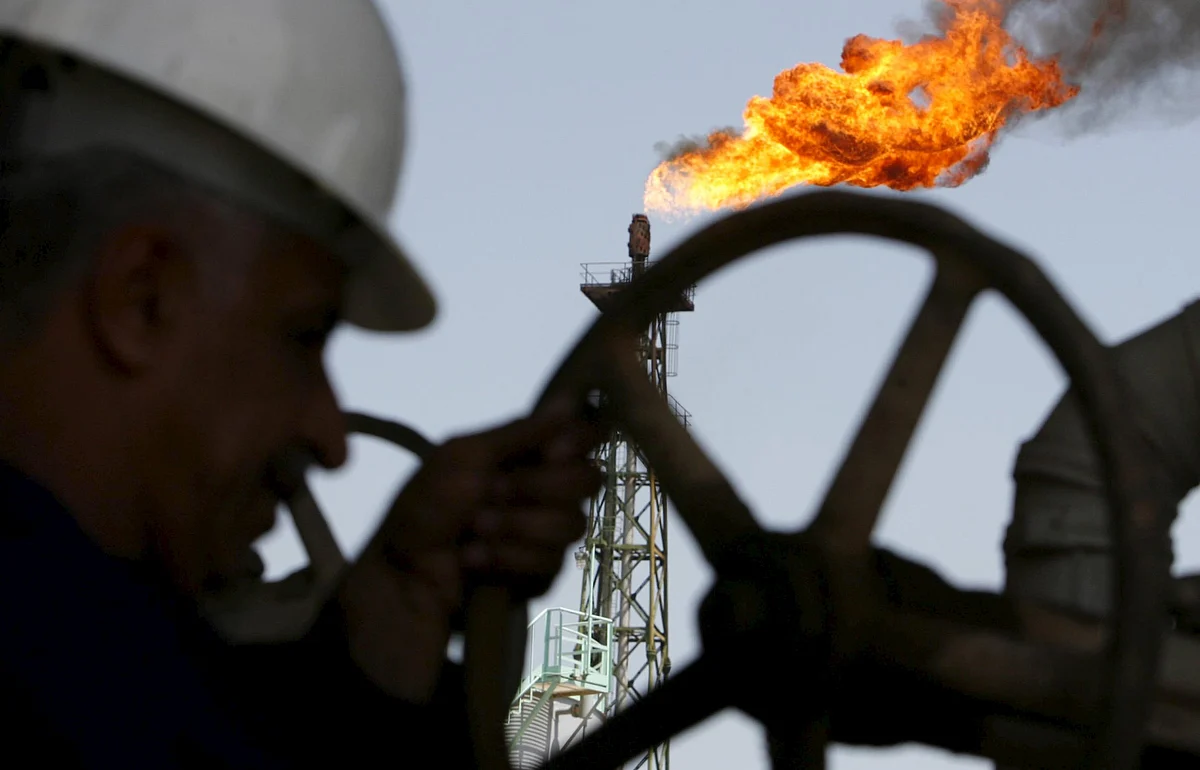
World Bank data show the UAE's gas flaring intensity, the volume of gas burned per barrel of oil produced, fell 22 per cent between 2015 and 2024. It was one of 11 countries among the top 20 to cut flaring. Kuwait (down 25 per cent), Oman (17 per cent) and Qatar (8 per cent) also improved, while Saudi Arabia's rose 28 per cent. Norway (down 80 per cent), Kazakhstan (71 per cent) and Brazil (48 per cent) recorded the largest reductions.
For natural gas, the UAE's intensity was 55 kg CO2e/boe, 21 per cent below the 20-country average of 70. That makes it the sixth lowest, behind Norway (26), Qatar (48), Saudi Arabia (51), Egypt (53) and Oman (54).

Legal Disclaimer:
MENAFN provides the
information “as is” without warranty of any kind. We do not accept any
responsibility or liability for the accuracy, content, images, videos,
licenses, completeness, legality, or reliability of the information
contained in this article. If you have any complaints or copyright issues
related to this article, kindly contact the provider above.


Comments
No comment