


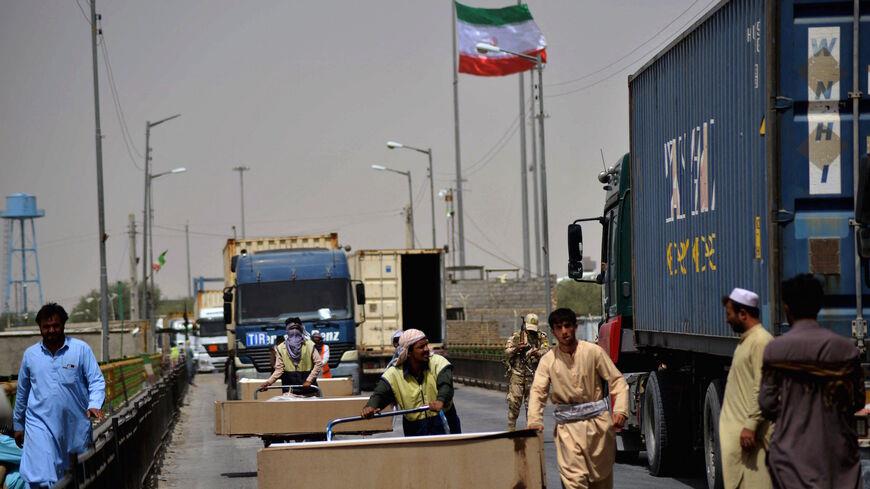
Iran's Exports To Afghanistan Via Dogharoun Rise 32%


Seyed Hassan Rahimi, director-general of the Dogharoun Customs Office in Taybad, said 745,700 tonnes of goods, valued at approximately $247.59 million, were exported to Afghanistan through the crossing during the period from March 21 to October 22, according to Iran's IRNA news agency. The value of direct exports increased by 10 percent compared with the same period last year.
Rahimi said 1.216 million tonnes of additional goods, worth about $2.398 billion, were transported through Dogharoun as transit shipments destined for Afghanistan.
The customs official also reported that 11,884 tonnes of goods worth approximately $22.35 million were imported from Afghanistan through the crossing. The volume of these imports was three times higher than in the corresponding period last year, according to the report.
Iran's main exports to Afghanistan included petrochemical products, steel and iron products, cement and petroleum products. Afghanistan exports to Iran included agricultural goods such as mung beans, kidney beans, sesame seeds and wild rue.
More than 90 percent of Iranian goods exported to Afghanistan through Dogharoun are transported to Herat province, Rahimi said, underlining the importance of the border crossing to trade between the two neighbours.
Dogharoun, located in Iran's northeastern Razavi Khorasan province near the Afghanistan border, is a major gateway for commercial exchanges between the two countries. On the Afghanistan side, the crossing connects with the Islam Qala border point in Herat.
The figures come amid efforts by Kabul and Tehran to expand bilateral trade and improve cross-border transport infrastructure. In September, Iran's acting ambassador in Kabul told media that the two countries were seeking to increase annual trade to $10 billion, saying trade had reached nearly $4 billion. He identified improvements to roads, railways and transit infrastructure as important to reaching that target.
However, Afghanistan's reliance on regional trade corridors has also exposed its economy to border disruptions and wider regional tensions. A November 2026 World Bank update noted that changes in trade routes and interruptions to transit flows have affected Afghanistan's import and export patterns, highlighting the importance of maintaining alternative routes.

Legal Disclaimer:
MENAFN provides the
information “as is” without warranty of any kind. We do not accept any
responsibility or liability for the accuracy, content, images, videos,
licenses, completeness, legality, or reliability of the information
contained in this article. If you have any complaints or copyright issues
related to this article, kindly contact the provider above.


Comments
No comment