


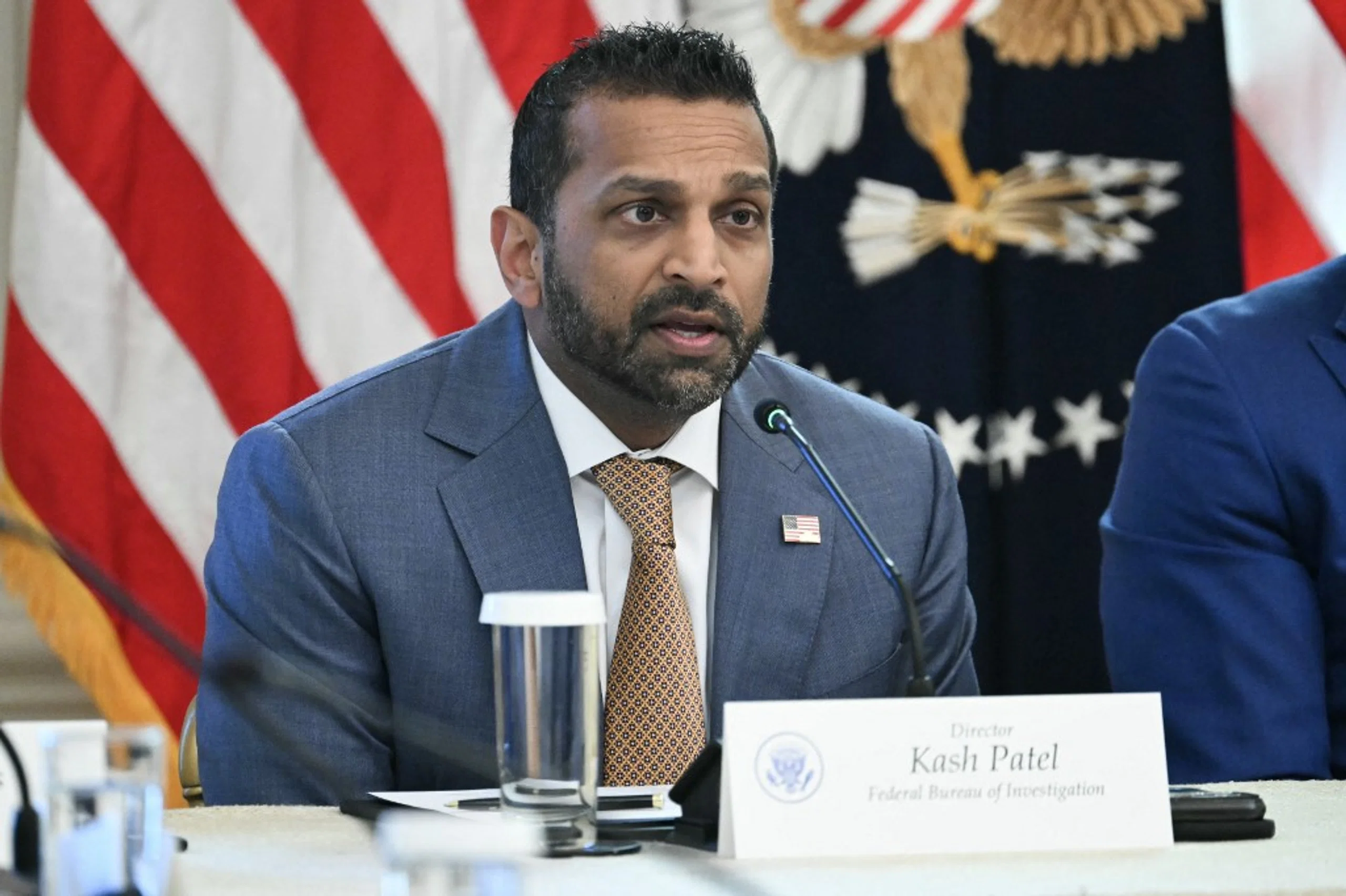
FBI Investigates Second Cyber Breach Targeting US Crime


CNN reported on Friday, November 20, citing two people familiar with the investigation, that hackers had penetrated the National Crime Information Center (NCIC), a central database used by federal, state and local law enforcement agencies to exchange criminal justice information.
The NCIC contains sensitive records concerning wanted fugitives, outstanding arrest warrants, missing persons, criminal histories and stolen property. Police departments and federal investigators across the country rely on the system to conduct background checks, identify suspects and access information during investigations.
The FBI has not publicly disclosed the nature or extent of the suspected intrusion. The agency also did not immediately respond to media requests for comment. The Associated Press subsequently reported that a person familiar with the matter had confirmed the apparent breach, although the extent of the incident remained unclear.
US President Donald Trump described the development as“not good” when asked about it during a telephone interview with Fox News on Saturday. He added that the incident might reveal information that would otherwise have remained unknown, referring to his longstanding claims about the FBI's investigation into alleged Russian interference in the 2016 presidential election.
The latest incident follows a separate breach reported in September, when the cybercriminal group ShinyHunters claimed to have stolen sensitive information belonging to approximately 38,000 current and former FBI employees and job applicants.
According to earlier CNN reporting, hackers accessed an online recruitment portal and obtained personal information, including Social Security numbers, home addresses and emergency contact details. The FBI subsequently investigated the incident and assessed the extent of the compromised information.
Concerns have also emerged over the potential consequences of unauthorised access to the NCIC. A former FBI official, speaking to Australian public broadcaster ABC, warned that compromising the accuracy of information in the database could have serious implications because police officers depend on its records when identifying wanted individuals and checking outstanding warrants. The investigation has not established whether hackers accessed, altered or extracted information from the system.
The investigation is unfolding amid a series of technical disruptions affecting US government agencies and private companies. Banks, the Federal Aviation Administration (FAA) and the National Security Agency (NSA) have experienced significant outages in recent days. However, US officials have attributed those disruptions to technical maintenance, system upgrades and vulnerability fixes rather than cyberattacks. Authorities have not established any connection between those incidents and the FBI investigation.
Separately, the US Department of Agriculture (USDA) has also faced a cybersecurity incident that forced officials to take several applications offline and reset database passwords across its systems. The disruption affected digital services used for agricultural payments, including tools supporting farmers. The department has not established publicly who was responsible or whether sensitive information was stolen.
The latest developments have intensified scrutiny of the Trump administration's handling of federal cybersecurity. This week, the White House confirmed the departure of National Cyber Director Sean Cairncross, amid wider concerns about the government's ability to protect critical digital infrastructure. However, officials have not established any connection between his departure and the FBI breach.

Legal Disclaimer:
MENAFN provides the
information “as is” without warranty of any kind. We do not accept any
responsibility or liability for the accuracy, content, images, videos,
licenses, completeness, legality, or reliability of the information
contained in this article. If you have any complaints or copyright issues
related to this article, kindly contact the provider above.


Comments
No comment