


The Household Products That Used To Last 30 Years - What Changed?


- Modern appliances offer more features, but repairs can be costly. Electronic controls, sensors, and specialized components can make refrigerators, washing machines, and ovens more expensive to fix. Some appliances have experienced shorter lifespans. Research has documented historical declines in certain appliance categories, but the evidence doesn't show that all modern products are less durable. Repairing may be cheaper than replacing. Before buying a new appliance, compare repair estimates, expected remaining lifespan, energy costs, and replacement expenses. Shop for reliability, not just features. Check model-specific reliability ratings, warranty coverage, replacement-part availability, and local repair options before making a major purchase.
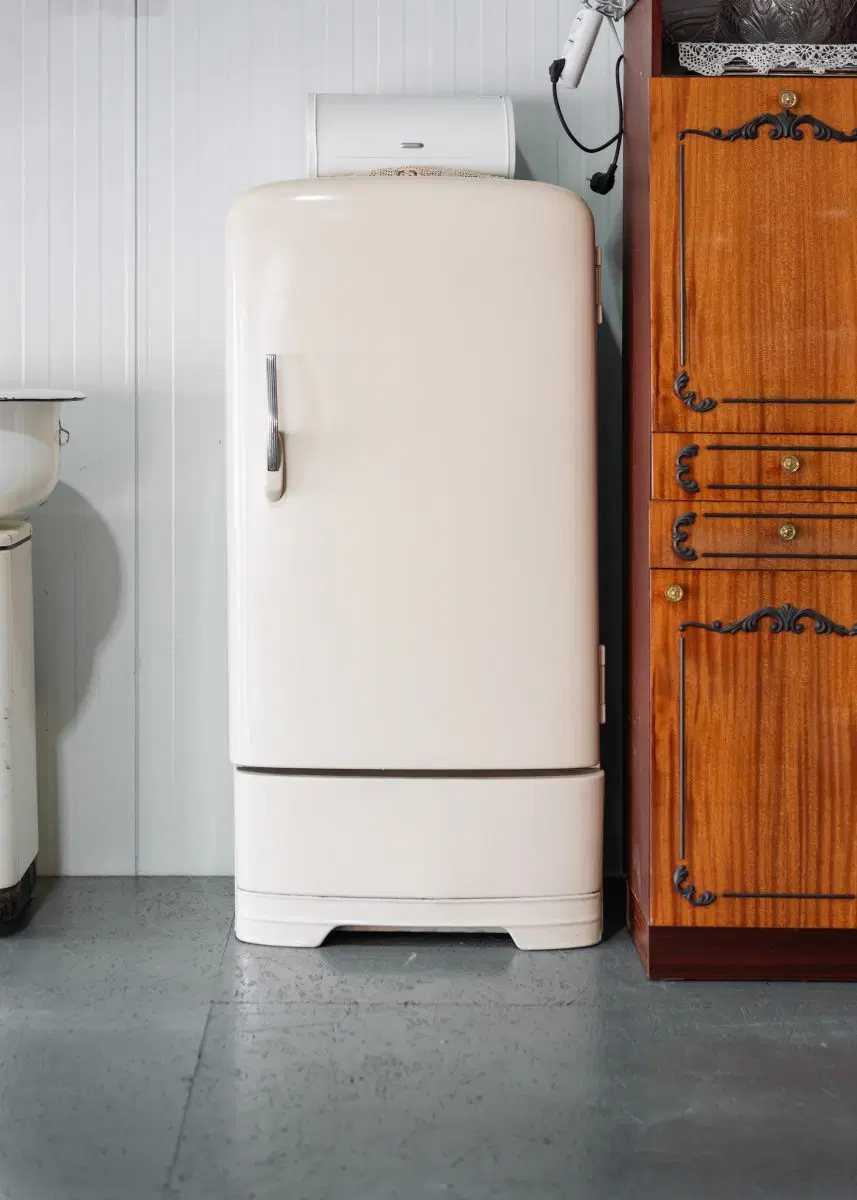
There's probably an appliance somewhere in your family that's become a running joke. Maybe it's the refrigerator in your parents' garage that's been humming along since 1992. Or the washing machine with a faded dial that refuses to quit.
Meanwhile, the dishwasher you bought five years ago is making a noise that sounds expensive. It's enough to make anyone wonder what happened to products that were supposedly built to last.
The frustration isn't entirely misplaced. Modern appliances come with impressive technology, better energy efficiency, and conveniences that previous generations never imagined. But those improvements have also introduced components that can be costly to repair, sometimes turning a relatively minor breakdown into a decision about replacing the entire machine.
And while some appliances really have experienced declining lifespans, the evidence tells a more complicated story than simply blaming manufacturers for making disposable products.
Refrigerators: More Features, More Things That Can BreakRemember when a refrigerator's biggest selling point was keeping food cold? Today's models can dispense filtered water, produce different kinds of ice, monitor temperatures electronically, and even connect to your smartphone. Those features are convenient, but they also introduce additional components that may eventually need attention. The reliability numbers help explain the frustration.
An October 2026 Consumer Reports analysis estimated that 30% of refrigerators with icemakers would experience a problem by the end of their fifth year. Icemakers and water dispensers were among the most frequently reported trouble spots. That's an important distinction. A broken icemaker doesn't necessarily mean the refrigerator has stopped cooling food, but it can still leave the owner facing a repair bill.
For shoppers who don't regularly use those extras, a simpler refrigerator may be worth considering. ENERGY STAR also identifies top-freezer refrigerators as generally among the most energy-efficient configurations, giving consumers another reason to compare designs rather than choosing based on appearance alone.
Washing Machines: The Old Mechanical Workhorses Have ChangedOlder washing machines weren't necessarily quiet or gentle. Some shook the laundry room, required manual adjustments, and used more water than modern high-efficiency models. But many were relatively straightforward machines. Today's washers rely on electronic controls, sensors, specialized cycles, and sophisticated motors. These systems can improve performance while making certain repairs more complicated.
Researchers studying appliance lifetimes in Norway found evidence of a significant historical decline in washing machine lifespans. Their 2025 study in the Journal of Industrial Ecology estimated a 45% decrease during the periods examined, particularly around the 1990s and 2000s. That doesn't mean every modern American washing machine lasts 45% less time than an older model. The research examined Norwegian households, and the authors couldn't identify one definitive cause.
Still, it raises an important question for consumers: Are we getting enough additional value from the technology to justify potentially higher repair costs?
Ovens: When a Control Board Becomes the Expensive PartA heating element or thermostat failure in an older oven could sometimes be addressed with a relatively straightforward repair. Modern ovens may include touchscreens, electronic temperature controls, convection systems, specialized cooking modes, and additional sensors. These features can make cooking more convenient and precise. Unfortunately, diagnosing and replacing certain electronic components may also require specialized parts and labor.
The Norwegian appliance study identified an estimated 39% historical decline in oven lifespans during the periods it examined. But there's another wrinkle. An oven might be discarded because someone remodels a kitchen, changes to a different cooking system, or wants an updated appearance-not necessarily because it stopped working. That makes it difficult to determine how much of the change reflects physical breakdowns versus consumer replacement decisions.
If your oven develops a problem, get a diagnosis before shopping for a replacement. A failed component doesn't automatically mean the entire appliance is finished.
Dishwashers: Efficiency Has Improved, but Repairs Can Be FrustratingDishwashers have changed considerably over the past few decades. Modern ENERGY STAR-certified models are designed to reduce water and energy consumption while maintaining cleaning performance. Sensors can adjust cycles based on conditions inside the machine. That's good news for household utility bills.
However, pumps, seals, electronic controls, and other components can still fail. When a repair requires expensive parts or substantial labor, replacing the dishwasher may begin to look more attractive than fixing it. The challenge is figuring out whether the problem is actually serious. A dishwasher that isn't draining properly might have a clogged filter or blocked drain line. A machine with a failed electronic control board presents a different financial calculation.
Before paying for a service visit, check the owner's manual for safe troubleshooting steps. Don't attempt electrical repairs or disassembly beyond your abilities. And if replacement becomes necessary, compare both reliability and operating costs rather than assuming the most expensive model will last the longest.
Small Kitchen Appliances: Sometimes the Repair Costs More Than the ProductCoffee makers, toasters, blenders, and countertop appliances present a different problem. They're often relatively inexpensive to purchase but surprisingly expensive to repair.
Consider a hypothetical $50 coffee maker that stops working after three years. If a professional charges $100 just to diagnose and repair the problem, most consumers will choose a replacement. Even if the failed component costs only a few dollars, labor can make the repair uneconomical. Replacement parts may also be difficult to find, especially for lower-priced products. This doesn't necessarily mean the manufacturer intentionally designed the appliance to fail. It means the economics of professional repair can favor buying something new.
For products used every day, spending more upfront on a model with replaceable parts and a strong warranty may be worthwhile. But price alone isn't proof of durability.
The Real Problem May Be What Happens After Something BreaksA product doesn't have to be completely worn out to become financially impractical to keep. Suppose a seven-year-old refrigerator needs a replacement electronic control board. The refrigerator still looks good, the doors seal properly, and the cooling system has otherwise performed well. Then the repair estimate arrives. The part costs several hundred dollars, labor adds another charge, and the technician can't guarantee that another component won't fail next year. Suddenly, replacing the refrigerator seems like the safer choice.
A June 2026 Washington Consumers' Checkbook investigation examined how electronic components, parts costs, and increasingly complicated designs affect appliance repairs. One particularly frustrating issue is that a relatively small malfunction can require replacing an expensive assembly rather than an individual component. That's why repairability matters almost as much as reliability. A machine that can be fixed affordably may remain useful for years longer than one with difficult-to-source parts.
Are Manufacturers Deliberately Making Products Wear Out?Planned obsolescence is a popular explanation for why newer products sometimes disappoint. And it's easy to understand the suspicion when a relatively new appliance needs a costly repair. But the research doesn't support treating deliberate obsolescence as the universal explanation.
The 2025 Norwegian study found that lifetime trends differed considerably among appliance categories. The researchers also identified several possible influences, including changing technology, consumer behavior, product prices, and replacement habits. Other evidence complicates the picture further.
The European Environment Agency's product-lifespan analysis found that average lifespans for large household appliances in its referenced European consumer data increased from approximately 11.6 years in 2019 to 12.5 years in 2023. That doesn't erase legitimate complaints about unreliable products. It shows why broad claims about everything becoming disposable can be misleading.
Some appliances are difficult to repair. Others continue performing well for many years. The difference often comes down to the individual model, its design, how it's used, and whether repairs remain practical.
Repair or Replace? Here's How to Make the Numbers WorkWhen an appliance breaks, the immediate question is usually whether fixing it makes financial sense. A commonly repeated rule suggests replacing an appliance when repairs cost more than half the price of a new one. But that shortcut can lead to unnecessary spending.
Consider two hypothetical situations:
Scenario A: A $250 repair on a seven-year-old dryer
If the dryer has been reliable and a technician expects the repair to restore normal operation, spending $250 may be considerably cheaper than purchasing a comparable $800 replacement.
Scenario B: A $700 repair on a refrigerator with repeated problems
If the refrigerator has already required several repairs and a suitable replacement costs $1,200, spending another $700 may be harder to justify.
The key is estimating what happens next. Ask the technician what's actually failing, whether the repair addresses the underlying problem, and how much additional service life is reasonably expected. Then compare that expense with the full cost of replacement, including delivery, installation, removal of the old appliance, and any necessary modifications. A cheap replacement isn't necessarily cheap once those additional charges are included.
Don't Forget What an Older Appliance Costs to OperateThat 30-year-old refrigerator might be a family legend, but keeping it running isn't necessarily free. Older refrigerators can consume substantially more electricity than efficient modern models.
ENERGY STAR's refrigerator guidance notes that refrigerators over 15 years old could cost about $95 more annually to operate than an efficient replacement, depending on the appliance and circumstances. Over five years, that illustrative difference would total $475. However, spending $1,500 on a replacement solely to save $95 per year would take nearly 16 years to recover through electricity savings alone, assuming those savings remained constant. That's why the decision deserves more than a glance at an ENERGY STAR label.
Check the appliance's estimated electricity consumption, your local utility rate, and the purchase price of a replacement. A working older machine may still be worth keeping, particularly if its energy use is reasonable and repairs are inexpensive.
Five Things to Check Before Buying Your Next ApplianceThe best time to think about appliance longevity is before bringing a new machine home.
A little research can prevent expensive surprises.
Look at reliability data for the specific model. Brand reputation is useful, but different product lines can have very different performance records. Ask about replacement parts. Find out whether common components are available and whether qualified repair technicians service the model in your area. Understand the warranty. A lengthy warranty on one component doesn't necessarily cover labor, transportation, or every possible failure. Think carefully about extra features. If you don't need a touchscreen, built-in Wi-Fi, or multiple ice options, there's no reason to pay more simply to have them. Compare lifetime costs. Purchase price, electricity, water consumption, maintenance, and likely repair expenses all matter.You should also review the manufacturer's maintenance instructions. Cleaning refrigerator coils where appropriate, maintaining dishwasher filters, avoiding overloaded washing machines, and replacing worn hoses can help prevent avoidable problems. Not every failure is preventable, but basic maintenance may keep an otherwise reliable appliance working longer.
Maybe the Best Appliance Isn't the Newest OneThere's a reason people get attached to the old refrigerator in the garage or the washing machine that survived three moves. Those products earned their reputation by continuing to work. But surviving examples don't tell the entire story. Plenty of older appliances failed years ago, and many newer machines will provide dependable service well beyond their warranties. The bigger change may be how complicated and expensive repairs have become. Consumers now have to weigh efficiency, features, replacement-part availability, and service costs alongside the original purchase price. Sometimes the smartest decision is repairing an older appliance. Other times, replacing an inefficient or unreliable machine will save money over the long run.
What's the oldest appliance still working in your home? And have you replaced a newer product that didn't last nearly as long?
Drew BlankenshipDrew Blankenship is a seasoned personal finance and lifestyle writer with more than a decade of professional writing experience crafting clear, actionable advice that helps savers and investors over 40 protect their wealth and make smarter everyday decisions. His bylines appear regularly on SavingAdvice, CleverDude, and other respected outlets, where he draws on deep industry knowledge to deliver practical insights on cost control, smart spending, and long-term financial security.
Like This Article? Share It With A Colleague.

Legal Disclaimer:
MENAFN provides the
information “as is” without warranty of any kind. We do not accept any
responsibility or liability for the accuracy, content, images, videos,
licenses, completeness, legality, or reliability of the information
contained in this article. If you have any complaints or copyright issues
related to this article, kindly contact the provider above.


Comments
No comment