


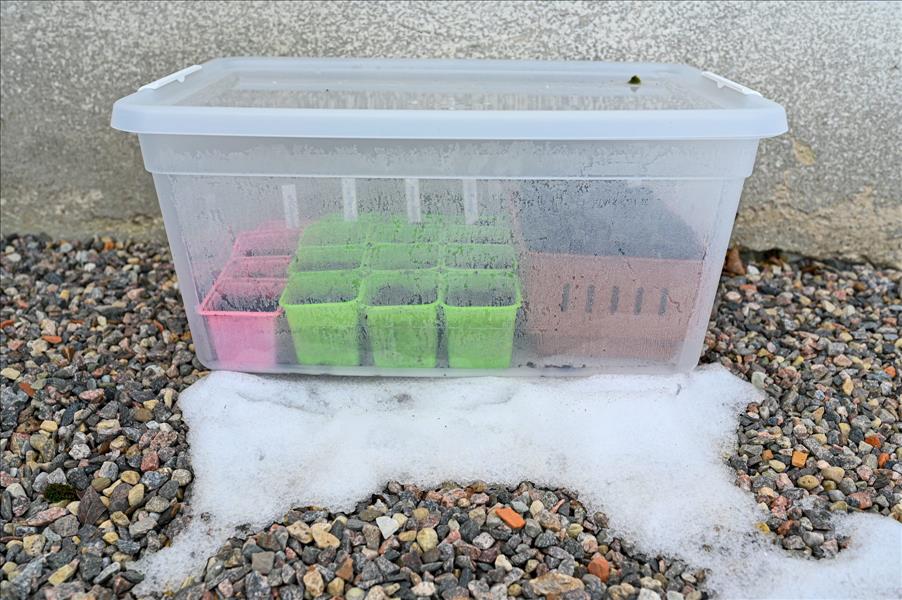
Can You Make A Mini Greenhouse From An Old Plastic Storage Bin?


That clear plastic storage bin sitting in your garage might be more useful than you think. Instead of filling it with holiday decorations or donating it, you could potentially turn it into a miniature greenhouse for seedlings, cuttings, or small potted plants. The idea has become popular among gardeners looking for inexpensive ways to extend the growing season without purchasing a traditional greenhouse. But a plastic container can also overheat, trap too much moisture, and damage plants if it's used incorrectly. Before putting your favorite plants under a plastic lid, here's what you should know about making the experiment work.
A Clear Storage Bin Can Create a Greenhouse EffectTransparent plastic allows sunlight to enter while reducing air movement around the plants inside. The enclosed space can become warmer than the surrounding air, particularly during sunny weather. An Ask Extension response from university gardening specialists confirms that a clear plastic storage container can be useful for protecting certain potted plants. However, the container's effectiveness depends on ventilation, drainage, location, and the plants being protected. It's best understood as a simple cold frame rather than a substitute for a heated greenhouse.
Start With a Clean, Clear ContainerChoose a sturdy, transparent storage bin large enough to accommodate the plants without pressing against their leaves. Avoid containers that previously held hazardous chemicals or materials that could contaminate growing media. Wash the bin thoroughly and inspect it for cracks, sharp edges, or a lid that doesn't fit securely. Clear sides and a transparent lid generally provide better light exposure than heavily tinted or opaque plastic. A reused container can keep project costs low, but damaged plastic may not provide reliable protection
A closed plastic bin can heat up rapidly when exposed to direct sunlight. Even on a cool day, temperatures inside may climb high enough to stress or kill tender seedlings. You should prop open or shift the lid to release excess heat. A small thermometer placed inside the container can help you monitor conditions rather than guessing. Never leave a sealed bin in strong sunlight without a plan for ventilation.
Excess moisture is another common problem with homemade mini greenhouses. Condensation may accumulate on the lid, while water draining from plant pots can collect beneath them. University extension guidance recommends preventing standing water and considering drainage holes where appropriate. Elevating pots slightly can also help keep their roots from sitting in pooled water. If you modify the bin, use appropriate tools and take precautions to avoid cracking the plastic or injuring yourself.
Choose Plants That Fit the ConditionsA storage-bin greenhouse may work for certain hardy seedlings, small potted plants, and propagation projects. However, plants have different temperature, humidity, and light requirements that a single container may not satisfy. Tender tropical plants may still be damaged when outdoor temperatures fall below freezing. A plastic bin provides some protection from wind and temperature fluctuations but doesn't generate reliable heat overnight. Select plants based on their actual cold tolerance rather than assuming the enclosure makes them frostproof.
Location Can Make or Break the ProjectPlace the bin on a stable, level surface where it won't tip over during windy weather. A location with morning sunlight and some protection from intense afternoon sun may reduce overheating risks. Avoid positioning the container where roof runoff, flooding, or heavy snow could create problems. If the bin is outdoors, secure the lid without preventing necessary ventilation. The best location balances adequate light with manageable temperature fluctuations.
A Mini Greenhouse Isn't Always a Winter GreenhouseThe phrase“greenhouse” can create unrealistic expectations about cold protection. During sunny afternoons, the container may become substantially warmer than the outdoor air. At night, however, temperatures inside an unheated plastic bin can approach outdoor conditions. That means a storage bin may be useful for season extension without being suitable for overwintering frost-sensitive plants in severe climates. Monitor local forecasts and move vulnerable plants indoors when temperatures exceed their tolerance.
Use the Bin for Seed Starting CarefullyA transparent storage container can help maintain humidity during the early stages of seed germination. However, high humidity combined with poor airflow can encourage damping-off and other seedling problems. Once seedlings emerge, they generally need sufficient light and appropriate ventilation to develop sturdy growth. The University of Minnesota Extension provides guidance on seed-starting temperatures, lighting, and moisture management. A bin can support the process, but it won't replace the need for proper growing conditions.
Compare the Savings With a Purchased Cold FrameA commercially manufactured cold frame can cost considerably more than a reused storage bin. If you already own the container, your main expenses may involve a thermometer, pot supports, and any necessary modifications. However, a homemade version may be less durable and require more frequent monitoring. Calculate whether the project will actually protect plants worth saving rather than purchasing materials simply because the idea appears inexpensive. Reusing existing supplies is most economical when they perform the job safely and reliably.
A clear plastic storage bin can become a useful miniature greenhouse when managed carefully. The biggest risks involve overheating, inadequate ventilation, trapped water, and assuming the enclosure provides more cold protection than it actually does. Choosing appropriate plants and checking conditions regularly can make the experiment worthwhile. For gardeners with limited space and budgets, it offers an accessible way to explore season extension without investing in a large structure.
Would you try turning an old storage bin into a mini greenhouse, or have you already experimented with homemade plant protection?
Legal Disclaimer:
MENAFN provides the
information “as is” without warranty of any kind. We do not accept any
responsibility or liability for the accuracy, content, images, videos,
licenses, completeness, legality, or reliability of the information
contained in this article. If you have any complaints or copyright issues
related to this article, kindly contact the provider above.


Comments
No comment