


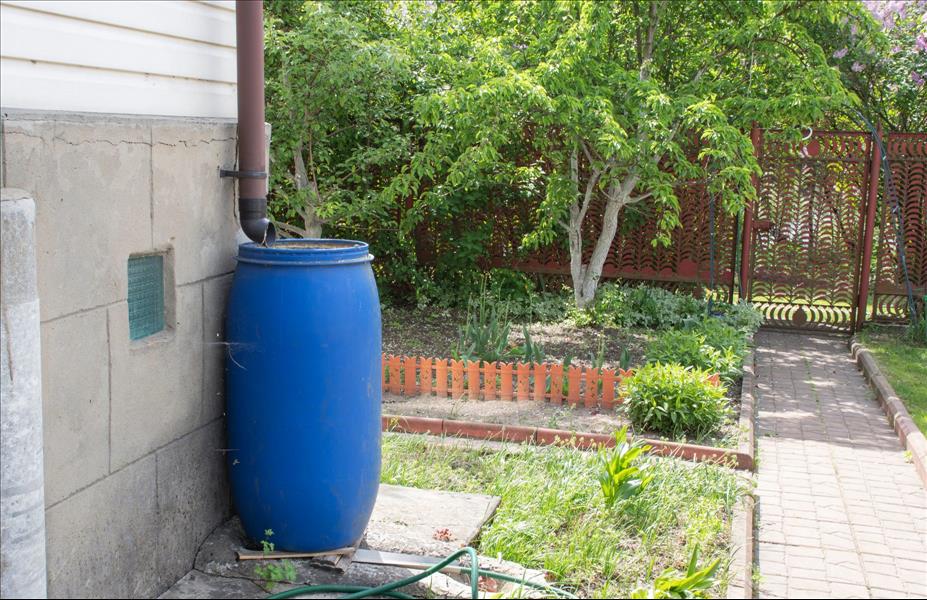
Your HOA Doesn't Like Your Rain Barrel - But Your State Might Protect It


You install a rain barrel beside your house, hoping to collect water for the garden and reduce your utility bills. A few weeks later, a letter arrives from your homeowners association demanding that you remove it because the barrel doesn't match the neighborhood's appearance standards. You might assume the HOA has the final say over what you can place in your yard. However, some states have laws specifically protecting homeowners who install rainwater harvesting systems. Depending on where you live, your HOA may be allowed to regulate your barrel's appearance without having the authority to ban it entirely.
Some States Specifically Protect Rain BarrelsRainwater harvesting rules vary considerably across the United States. Some states encourage residential collection while others regulate the amount, equipment, or permissible uses. Colorado and Texas provide examples of laws that limit certain HOA restrictions on rainwater harvesting systems. However, those protections aren't identical, and they don't eliminate every rule governing installation. Before challenging an HOA notice, identify the statute that actually applies to your property.
Colorado Limits HOA Rain Barrel BansColorado State University Extension explains that Colorado HOAs cannot prohibit members from using rain barrels. Associations may still impose reasonable aesthetic requirements concerning appearance and placement. For example, an HOA might require a barrel to sit in the backyard or use a color that blends with surrounding landscaping. Colorado also has separate rules governing residential rainwater collection, including limitations on qualifying systems. Homeowners should review both the state collection rules and their association's design requirements before installing equipment.
Texas Also Restricts Certain HOA ProhibitionsTexas law provides another important example of homeowner protections. Texas Property Code Section 202.007 generally prohibits property owners' associations from enforcing certain restrictions that ban rain barrels or rainwater harvesting systems. However, the statute includes exceptions and permits specified requirements involving installation, location, and appearance. The law also addresses circumstances involving common property and certain visible installations. That means a Texas homeowner may have legal protection without possessing an unrestricted right to install any barrel anywhere.
Appearance Rules May Still Be EnforceableAn HOA that cannot prohibit rainwater harvesting may still regulate how the equipment looks. Depending on state law, restrictions could involve screening, color, placement, or installation methods. A brightly colored barrel visible from the street may raise different issues from a neutral container concealed behind landscaping. However, an association's aesthetic requirements must remain within the limits established by applicable law. Ask the HOA to identify the exact rule supporting its objection rather than relying on a general statement that rain barrels aren't allowed.
Your State May Have Different Collection LimitsLegal protection from HOA restrictions doesn't necessarily mean unlimited rainwater collection is permitted. Colorado, for example, generally allows qualifying residential properties to use up to two rain barrels with a combined storage capacity of 110 gallons under its applicable rules. Other states have different requirements or fewer restrictions on ordinary residential collection. Some rules also distinguish outdoor irrigation from indoor or drinking-water uses. Check your state water resources agency before assuming a system that's legal elsewhere will comply with local requirements.
Rainwater Isn't Automatically Safe to DrinkWater collected from a roof can contain contaminants from roofing materials, bird droppings, airborne particles, and other sources. The Centers for Disease Control and Prevention cautions that collected rainwater isn't automatically safe for drinking or household consumption. Even when water is intended for gardens, collection systems should be maintained to reduce contamination. Use appropriate screens, covered containers, and other safeguards to limit debris and insect access. Don't assume that clear-looking rainwater is suitable for every purpose.
Mosquito Prevention MattersA poorly maintained rain barrel can become a breeding site for mosquitoes. Standing water accessible to insects creates conditions that can increase mosquito populations around a home. Secure lids, properly fitted screens, and routine maintenance can reduce that risk. The Environmental Protection Agency provides information about rain barrels and their role in managing stormwater runoff. Keeping the system clean and functional can also help address legitimate neighborhood concerns.
A Rain Barrel Won't Always Deliver Huge SavingsRainwater collection can reduce the amount of treated water used for outdoor irrigation. However, the financial benefit depends on rainfall, roof collection area, barrel capacity, local water rates, and garden water needs. A homeowner who spends $150 on equipment may take considerable time to recover that cost through lower utility bills. Someone reusing an appropriate container or receiving a local rebate may reach the break-even point sooner. Calculate realistic savings rather than assuming every rain barrel pays for itself immediately.
What to Do When Your HOA Sends a Violation NoticeStart by reading the notice carefully and identifying the rule the association claims you've violated. Review your governing documents and any applicable state law protecting rainwater collection. Respond in writing, explain the legal provision you believe applies, and ask whether a reasonable placement or screening adjustment would resolve the issue. Keep copies of communications, photographs, and any architectural approval requests. If fines or legal action are threatened, consider consulting an attorney familiar with HOA and property law in your state.
Don't Ignore Installation RequirementsEven when state law protects rain barrels, equipment still needs to be installed safely. A full 55-gallon barrel contains roughly 459 pounds of water before accounting for the container itself. That substantial weight requires a stable, level foundation capable of supporting the system. Overflow should be directed away from foundations, walkways, and neighboring property. An improperly installed barrel can create drainage problems that undermine the practical benefits of collecting rainwater.
Rain barrels can help homeowners conserve water and reduce stormwater runoff, but their legal status depends on state and local requirements. Some states limit HOA bans while allowing reasonable restrictions on placement and appearance. Others may provide different protections or leave more authority with community governing documents. Understanding those distinctions can help homeowners defend legitimate rights without creating unnecessary disputes.
Has your HOA ever objected to a rain barrel, compost bin, or another environmentally friendly gardening project?
Legal Disclaimer:
MENAFN provides the
information “as is” without warranty of any kind. We do not accept any
responsibility or liability for the accuracy, content, images, videos,
licenses, completeness, legality, or reliability of the information
contained in this article. If you have any complaints or copyright issues
related to this article, kindly contact the provider above.


Comments
No comment