


15 Surprising Things TSA Won't Let You Bring On A Plane - And Some Make No Sense To Travelers


You carefully pack your carry-on, arrive at the airport early, and make it through most of the security line without a problem. Then a TSA officer pulls out something you never imagined would cause trouble: a jar of peanut butter, a souvenir snow globe, or a cast-iron skillet. Airport security restrictions cover more than obvious weapons and dangerous materials. Some everyday household items are restricted because of their consistency, weight, battery type, or potential use as a weapon. Before your next trip, check these 15 surprisingly restricted items so you don't end up surrendering something valuable at the checkpoint.
Affiliate disclosure: This article contains affiliate links. Everybody Loves Your Money may earn a commission if you buy or sign up through links in this article, at no additional cost to you. As an Amazon Associate, Everybody Loves Your Money earns from qualifying purchases. 1. Large Jars of Peanut ButterPeanut butter may seem like an ordinary solid food, but TSA treats it as a spread subject to carry-on liquid restrictions. Containers exceeding 3.4 ounces generally cannot pass through the checkpoint in ordinary carry-on baggage. The same issue can affect other creamy foods that travelers assume are harmless. Larger containers can generally travel in checked baggage. If you're bringing a favorite snack, choose a compliant container or purchase it after security.
2. Oversized Snow GlobesA snow globe can be a charming souvenir until the liquid inside creates a security problem. TSA permits qualifying small snow globes in carry-on luggage only when they meet its liquid-size and bag requirements. Larger versions generally need to travel in checked baggage. The TSA prohibited-items reference provides specific guidance for these souvenirs. Packing a fragile globe carefully is important because checked luggage may experience rough handling.
Travel PickAmazon Essentials 4-Piece Packing Cube SetThis 4-piece Amazon Essentials packing-cube set (previously Amazon Basics) includes slim, small, medium, and large cubes. Each cube has a mesh top panel, a double zipper, and a webbing handle. The listing has 4.6 stars from more than 42,000 ratings. Sold by Amazon the Packing Cubes As an Amazon Associate, Everybody Loves Your Money earns from qualifying purchases. 3. Cast-Iron SkilletsMost ordinary pots and pans can travel in carry-on luggage, but cast-iron skillets are an exception. TSA generally prohibits them in the passenger cabin because of their heavy construction. They can be placed in checked baggage instead. That distinction can surprise travelers bringing cookware as holiday gifts. A lightweight pan may be acceptable, while a heavy cast-iron version must be checked.
4. Tent StakesCamping equipment can create problems when it includes pointed metal components. TSA requires tent stakes to travel in checked baggage rather than ordinary carry-on luggage. The restriction applies even when the stakes are packed with otherwise acceptable camping supplies. Sharp items should be securely wrapped to protect baggage handlers and inspectors. Review the complete camping kit before assuming everything can accompany you through security.
5. Large ToolsA small screwdriver may be acceptable, but larger tools face additional restrictions. TSA generally limits carry-on hand tools to those measuring seven inches or less, with separate rules for particular items. Power tools must travel in checked baggage, subject to applicable battery and hazardous-material requirements. A toolbox that seems harmless at home may therefore contain several prohibited carry-on items. Check individual tools rather than assuming one rule covers the entire collection.
6. Power DrillsA cordless drill is useful for home projects but isn't allowed in ordinary carry-on luggage. TSA requires power tools such as drills and drill bits to be checked. Lithium batteries introduce additional rules that may require removing and carrying certain batteries in the cabin. The FAA's PackSafe guidance explains how battery type and capacity affect permitted packing arrangements. Review both tool and battery requirements before heading to the airport.
7. CrowbarsA crowbar is another item that might seem like ordinary equipment rather than a travel security concern. TSA prohibits crowbars in carry-on luggage. They may generally be transported in checked baggage when packed appropriately. The restriction reflects the item's potential use as a striking or prying implement. Travelers moving tools between properties should plan for checked luggage or alternative transportation.
8. Large Containers of Creamy DipsHummus, creamy dips, and similar foods can fall under the same carry-on liquid and gel restrictions as toiletries. Containers larger than 3.4 ounces generally need to go in checked baggage. That can be frustrating when bringing homemade food to a holiday gathering. Solid foods are usually treated differently, although additional screening may still occur. Consider purchasing refrigerated dips after arrival instead of risking confiscation.
9. Oversized Containers of JamA jar of homemade jam may be a thoughtful gift, but TSA treats jams and jellies as spreadable substances. Large containers generally cannot pass through ordinary carry-on screening. They can usually travel in checked luggage when properly packed. Glass jars also require cushioning to prevent breakage and leakage. Shipping the gift ahead may be easier when you're traveling without a checked bag.
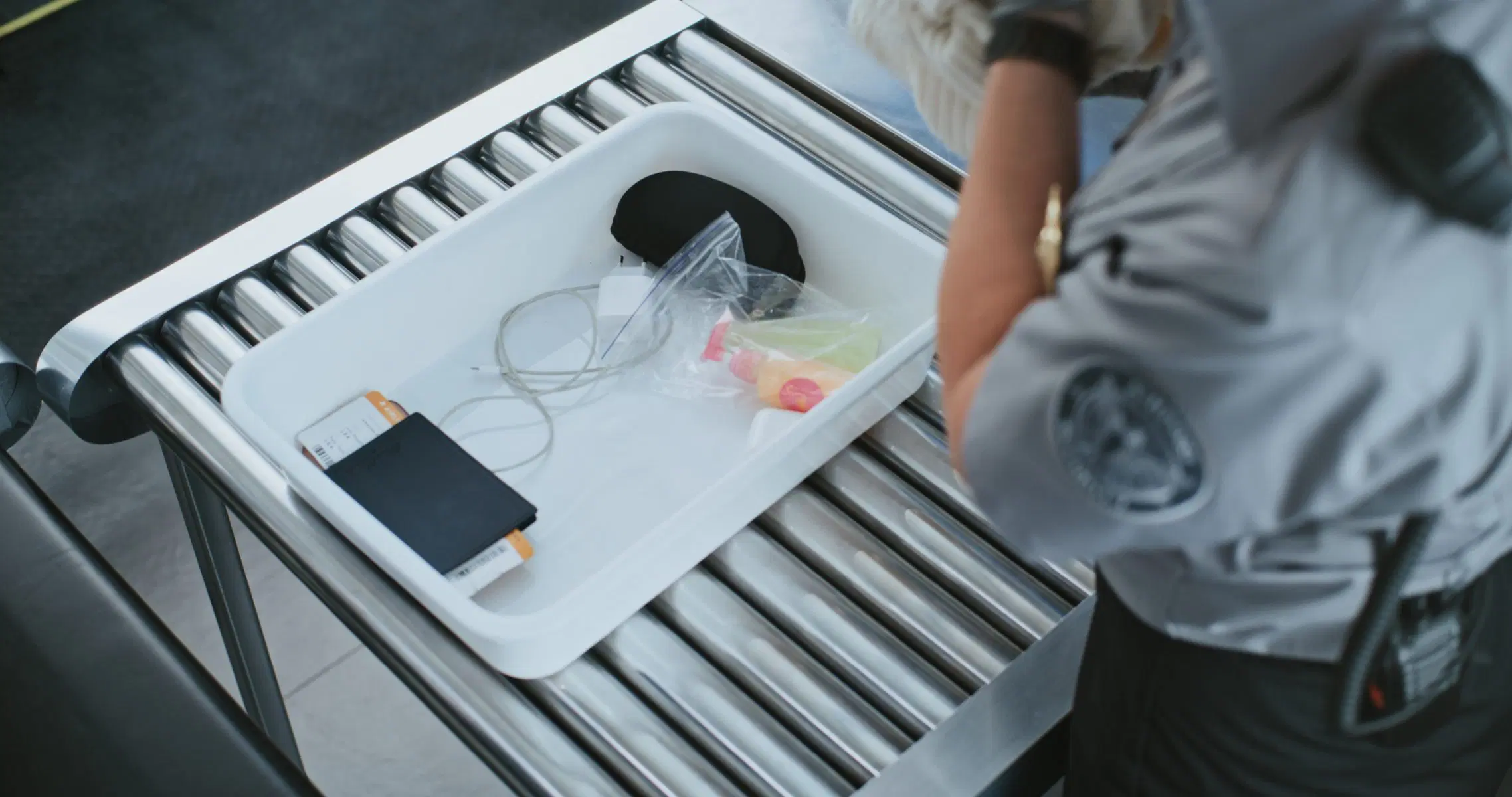
10. Full-Size Liquid ToiletriesShampoo, lotion, conditioner, and many other personal-care products are subject to the familiar 3-1-1 rule. Most ordinary carry-on liquids must be in containers holding 3.4 ounces or less and fit within one permitted quart-sized bag. Certain medically necessary liquids receive exceptions and additional screening procedures. The TSA travel checklist outlines the standard requirements. A nearly empty six-ounce bottle generally doesn't qualify merely because little liquid remains inside.
11. Baseball BatsA baseball bat is sporting equipment, but it can also be used as a striking object. TSA doesn't allow bats in ordinary carry-on luggage. They can generally travel in checked baggage, subject to airline size and weight requirements. Similar restrictions apply to several other sporting implements. Families traveling for tournaments should confirm equipment policies before arriving at the airport.
12. Large Snow-Clearing or Sharp Sporting EquipmentCertain sporting items with sharp points or edges require special handling. Crampons, ice tools, and related equipment may be restricted or subject to additional screening depending on the item. Travelers should consult the TSA's item-specific guidance rather than assuming every piece of winter gear follows the same rule. Airline baggage policies may impose additional limitations. Properly packing sharp equipment can also prevent injuries during baggage inspection.
13. Bear SprayBear spray is a surprising exception because travelers may associate it with ordinary outdoor safety equipment. TSA prohibits bear spray in both carry-on and checked baggage. Aerosol hazardous-material restrictions make it different from some small personal-care sprays. Don't assume that an item sold for hiking is automatically acceptable on an aircraft. Purchase appropriate supplies at your destination when necessary and legally permitted.
14. Power Banks in Checked LuggagePortable battery packs aren't generally banned from flying, but they must be packed correctly. Spare lithium batteries and power banks belong in carry-on baggage rather than checked luggage. The FAA's 2026 guidance also establishes capacity limits and approval requirements for certain larger batteries. Batteries exceeding applicable limits may be prohibited entirely. This is an important exception because moving a power bank from your carry-on to your checked suitcase can create the problem rather than solve it.
15. Damaged or Recalled Lithium BatteriesA battery that is damaged, defective, or subject to certain safety recalls can create a serious fire risk. FAA rules restrict transporting these batteries unless they have been made safe under applicable requirements. Simply placing the device in checked baggage doesn't make it acceptable. Check recall information and battery condition before packing older electronics or power equipment. Replacing a questionable battery before traveling is safer than attempting to carry it through airport screening.
Check the Rules Before You Reach SecurityTSA restrictions vary according to the item, its size, its contents, and whether it's packed in carry-on or checked baggage. Airlines may impose additional requirements involving weight, dimensions, batteries, and hazardous materials. The TSA officer also retains authority to make final screening decisions when an item presents a security concern. Checking the official What Can I Bring? database before leaving home can prevent unnecessary delays and lost belongings.
What's the strangest item you've ever had questioned or confiscated at airport security?
Legal Disclaimer:
MENAFN provides the
information “as is” without warranty of any kind. We do not accept any
responsibility or liability for the accuracy, content, images, videos,
licenses, completeness, legality, or reliability of the information
contained in this article. If you have any complaints or copyright issues
related to this article, kindly contact the provider above.


Comments
No comment