


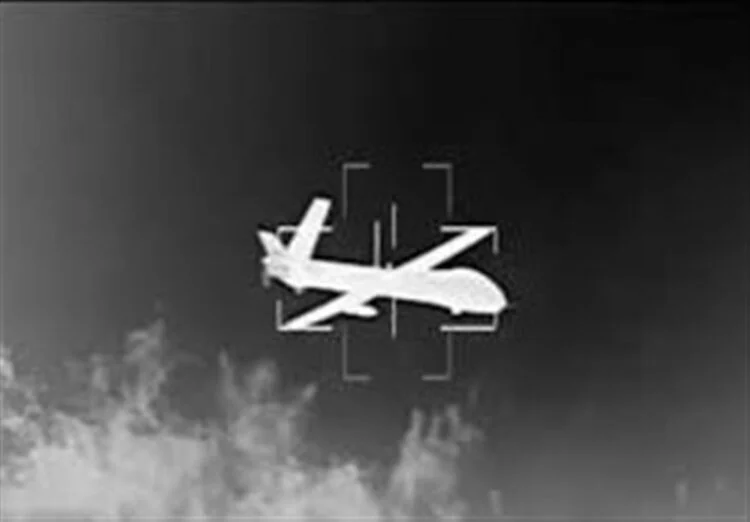
Iran Claims It Shot Down 58Th US MQ-9 Drone


Iran's Tasnim news agency reported early Saturday, November 21, that the IRGC's public relations office announced the interception in a statement. The force claimed that the aircraft was the 58th advanced US military drone of its kind to have been destroyed by Iranian forces.
According to the statement, the drone was detected and targeted by an air defence system operated by the IRGC. However, the claim has not been independently verified, and there has been no immediate confirmation from the US military.
Iran has made similar claims in recent months. On November 4, the IRGC announced that it had shot down another MQ-9 Reaper, describing it as the 56th such aircraft destroyed by Iranian forces. The claim was also reported by Iran International, which noted that it could not be independently verified.
The latest announcement comes as the Strait of Hormuz faces growing security threats and disruptions to international shipping. The strategic waterway, located between Iran and Oman, is a major route for global energy supplies, carrying a substantial share of the world's oil and liquefied natural gas exports.
In a report published on Friday, November 20, Reuters said a tanker caught fire after being struck by an unidentified projectile while sailing through the Strait of Hormuz. The UK Maritime Trade Operations agency reported that the incident occurred about eight nautical miles north of Khasab, Oman, with no casualties or environmental damage reported. Iranian authorities offered a different account, saying the tanker had caught fire after hitting a naval mine.
The Financial Times also reported on Saturday that commercial shipping through the strait had declined amid increasing attacks on merchant vessels. According to its figures, 263 vessels crossed the waterway in the week ending November 18, down 15 per cent from the previous week. Oil tanker traffic fell from 52 to 37 vessels over the same period.
The developments have heightened concerns about the security of one of the world's most important energy corridors, with continued disruptions threatening international trade, oil supplies and shipping costs.

Legal Disclaimer:
MENAFN provides the
information “as is” without warranty of any kind. We do not accept any
responsibility or liability for the accuracy, content, images, videos,
licenses, completeness, legality, or reliability of the information
contained in this article. If you have any complaints or copyright issues
related to this article, kindly contact the provider above.


Comments
No comment