


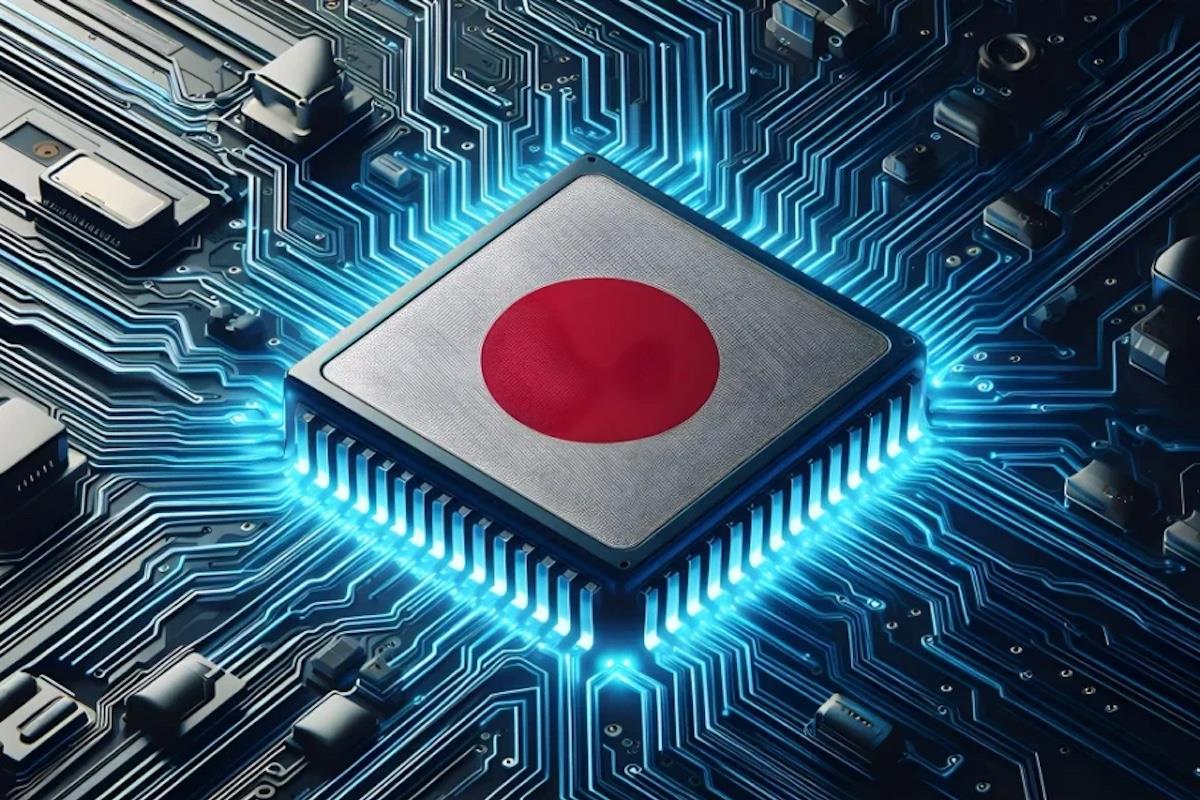
How Japan Is Carving Out Space In Asia's Chip War


Now that the diplomatic caravan has moved on from both the ASEAN summit in Manila and the APEC plenary in Shenzhen, a distinct structural shift has come into view.
While Washington and Beijing remain locked in an attritional struggle over regulatory perimeters and market scale, Tokyo is quietly mobilizing state capital and upstream industrial leverage to serve as a regional de-risking bridge and supply-chain anchor.
For Southeast Asian capitals surveying the landscape after Manila and Shenzhen, the strategic predicament has rarely been more acute.
Recent summitry has confirmed that despite tactical trade truces, the underlying machinery of technological containment is institutionalized. Even as Beijing courts the region with institutional finance and applied artificial intelligence at scale, Washington continues to expand its extraterritorial reach into remote cloud access and compliance audits.
With American rules policing domestic compute perimeters and Chinese capital carrying the threat of secondary sanctions, ASEAN economies have little room to maneuver without Tokyo's lower-friction alternative. By pairing patient state capital with trusted supply-chain standards, Japan offers a rare pathway to scale digital infrastructure without triggering superpower retaliation.
Since taking office in October 2025, Takaichi has tailored her economic statecraft to exploit this exact geopolitical impasse. Cementing her administration's doctrine on what she terms“indispensability through technologies,” Takaichi has abandoned the pre-existing liberal consensus that treated semiconductors and artificial intelligence merely as commercial markets.
Instead, the Japanese leader views upstream chokepoints such as fabrication equipment, specialty chemicals, advanced memory, and precision materials as sovereign instruments of national power that generate lower geopolitical friction than American end-user licensing, even as they remain exposed to supply-chain countermeasures from Beijing.

Legal Disclaimer:
MENAFN provides the
information “as is” without warranty of any kind. We do not accept any
responsibility or liability for the accuracy, content, images, videos,
licenses, completeness, legality, or reliability of the information
contained in this article. If you have any complaints or copyright issues
related to this article, kindly contact the provider above.


Comments
No comment