


The Hidden Cost Of Owning A Home With A Private Well And Septic System


A country home with a private well and septic system can sound like a financial win. There's no monthly municipal water bill, no sewer charge, and often more privacy than you'd find in a typical subdivision. But those savings come with a tradeoff that first-time rural homeowners sometimes overlook: You're responsible for maintaining two essential systems that the city would otherwise manage. A failing well pump or septic drainfield can create an expensive emergency without much warning. Before buying a home with private water and wastewater systems, understand the costs that don't appear on the real estate listing.
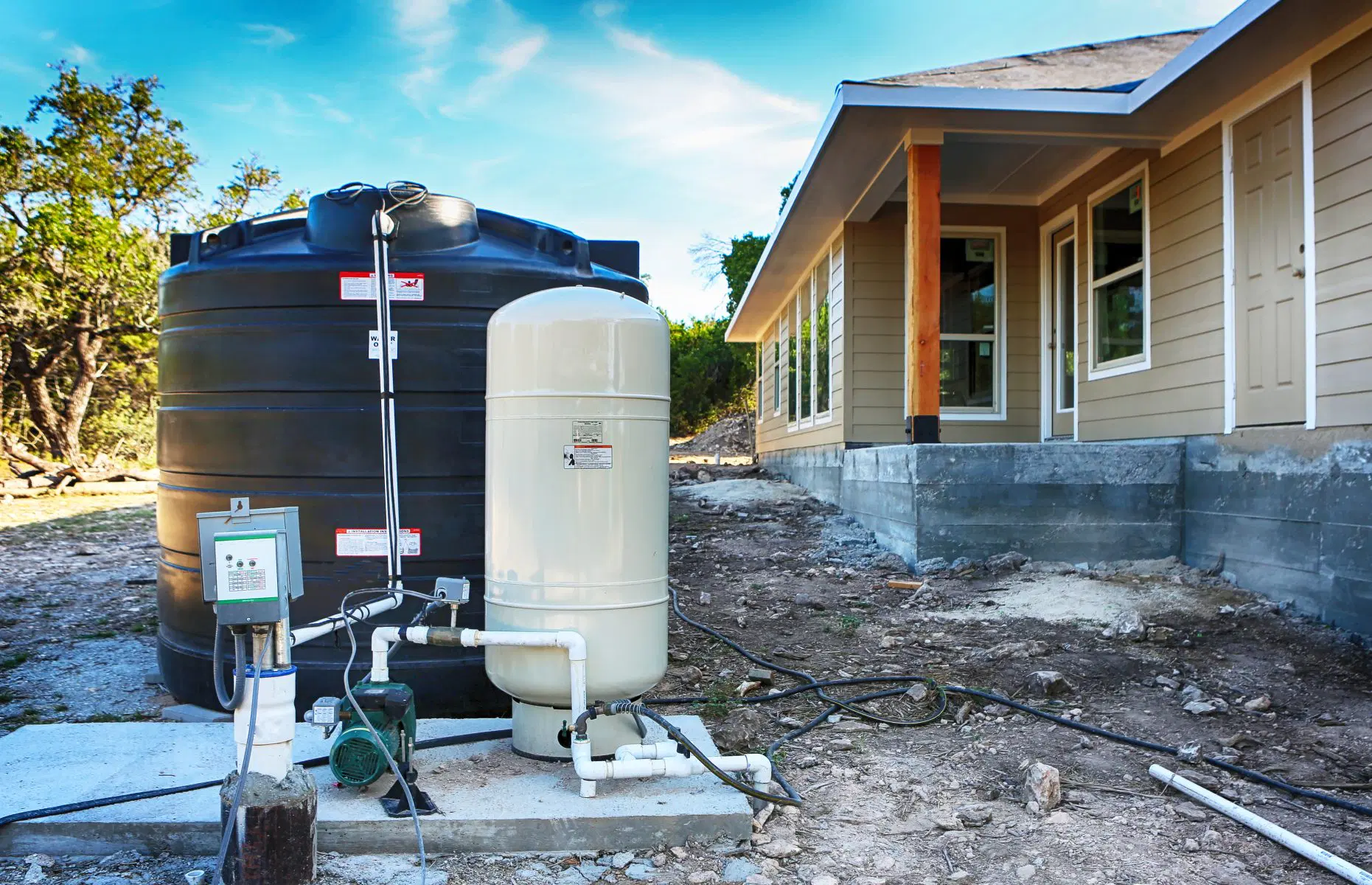
Affiliate disclosure: This article contains affiliate links. Everybody Loves Your Money may earn a commission if you buy or sign up through links in this article, at no additional cost to you. No Water Bill Doesn't Mean Free WaterPrivate wells eliminate the ordinary municipal water bill, but they still require equipment and electricity. An electric pump moves groundwater into the home's plumbing system, while pressure tanks and controls help regulate delivery. Those components can eventually wear out or require repairs. The homeowner is generally responsible for arranging maintenance rather than calling a municipal water department. That means your monthly savings should be weighed against the long-term cost of owning and replacing equipment.
Well Water Testing Becomes Your ResponsibilityMunicipal water systems are subject to public drinking-water requirements, but private wells generally aren't regulated under the federal Safe Drinking Water Act in the same way. The Environmental Protection Agency encourages private well owners to test their water regularly. At minimum, annual testing commonly includes total coliform bacteria, nitrates, total dissolved solids, and pH. Local conditions may justify additional testing for arsenic, lead, pesticides, or other contaminants. Testing costs vary by laboratory and location, making them a recurring expense worth including in your budget.
Investing PickGet Stock Ideas With the Research Behind ThemMotley Fool Stock Advisor sends you new stock recommendations every month, with the analysts' reasoning for each one. Investing involves risk, including loss of principal Motley Fool Stock Advisor Everybody Loves Your Money may earn a commission if you sign up through this link. Septic Tanks Need Routine PumpingA properly maintained septic system can operate for years, but it isn't maintenance-free. The EPA's septic maintenance guidance recommends inspecting typical household systems at least every three years and pumping tanks approximately every three to five years. Actual schedules depend on tank size, household occupancy, water use, and the amount of accumulated waste. Alternative systems with pumps or mechanical equipment may require annual inspections or additional servicing. Skipping maintenance to save money can increase the risk of expensive failures.
A Failed Septic System Can Cost ThousandsThe financial consequences of neglecting a septic system can be substantial. The EPA estimates that routine maintenance may cost approximately $250 to $500 every three to five years, while repairing or replacing a malfunctioning conventional system can cost $5,000 to $15,000. Advanced systems may cost more, especially when difficult soil conditions or local requirements complicate installation. A failed drainfield can also affect whether the home's plumbing can be used safely. Maintaining a dedicated repair reserve is sensible because these expenses rarely arrive at a convenient time.
Water Treatment Equipment Adds Another LayerSome private wells require treatment because of mineral content, bacteria, or other water-quality concerns. Water softeners, filtration systems, ultraviolet disinfection equipment, and specialized treatment devices may involve upfront costs and ongoing maintenance. Replacement filters, salt, electricity, and periodic testing can increase the total expense. The appropriate treatment depends on actual laboratory results rather than the appearance or taste of the water alone. Avoid purchasing expensive equipment until testing identifies a problem that the system is designed to address.
Power Outages Can Interrupt Your Water SupplyMany private wells rely on electrically powered pumps. When the electricity goes out, the household may lose its ability to draw additional water, even if the well itself contains plenty. A pressure tank may provide a limited amount of water, but it isn't a substitute for continued pumping. Homeowners sometimes invest in backup power or stored emergency water to prepare for extended outages. Any generator connection should follow electrical safety requirements rather than using unsafe improvised wiring.
Your Yard May Have Restrictions You Didn't ExpectA septic drainfield isn't simply unused lawn waiting for a swimming pool or garage. Heavy vehicles, construction, inappropriate landscaping, and soil compaction can damage the system or interfere with wastewater treatment. The EPA advises protecting the drainfield and keeping vehicles and heavy equipment off the area. Tree roots can also create problems when unsuitable species are planted too close to septic components. Understanding the system's location is important before making expensive landscaping or property improvements.
A Home Inspection May Not Cover EverythingA standard general home inspection doesn't necessarily include a comprehensive evaluation of the well and septic system. Buyers may need separate specialists to inspect equipment, review records, test water, and evaluate wastewater components. Ask for pumping history, installation permits, maintenance records, and information about previous failures. Local health or environmental departments may have permits or diagrams showing the approved system. Spending money on appropriate inspections before closing can uncover problems that would be far more expensive to address afterward.
Build a Realistic Annual Maintenance ReserveConsider a hypothetical household that sets aside $40 monthly for routine testing, inspections, pumping, and minor maintenance. That creates a $480 annual reserve, although actual expenses may be higher or lower. The reserve won't necessarily cover a major pump failure or septic replacement, so a separate emergency fund remains important. Homes with older equipment or complex treatment systems may require larger savings targets. The objective is to spread predictable ownership costs across the year instead of treating every service visit as a surprise.
Private wells and septic systems can offer benefits, including independence from municipal utility services and potentially lower recurring bills. However, the homeowner assumes responsibility for equipment, water quality, inspections, repairs, and eventual replacement. These expenses deserve the same attention as property taxes, insurance, and roof maintenance. Buyers should investigate system condition before purchasing and establish a maintenance budget afterward.
Would you prefer a home with private well and septic systems, or is the predictability of municipal water and sewer worth the monthly bill?
Legal Disclaimer:
MENAFN provides the
information “as is” without warranty of any kind. We do not accept any
responsibility or liability for the accuracy, content, images, videos,
licenses, completeness, legality, or reliability of the information
contained in this article. If you have any complaints or copyright issues
related to this article, kindly contact the provider above.


Comments
No comment