


Assam Adds India's First Sedge Moth Species In Nearly A Century


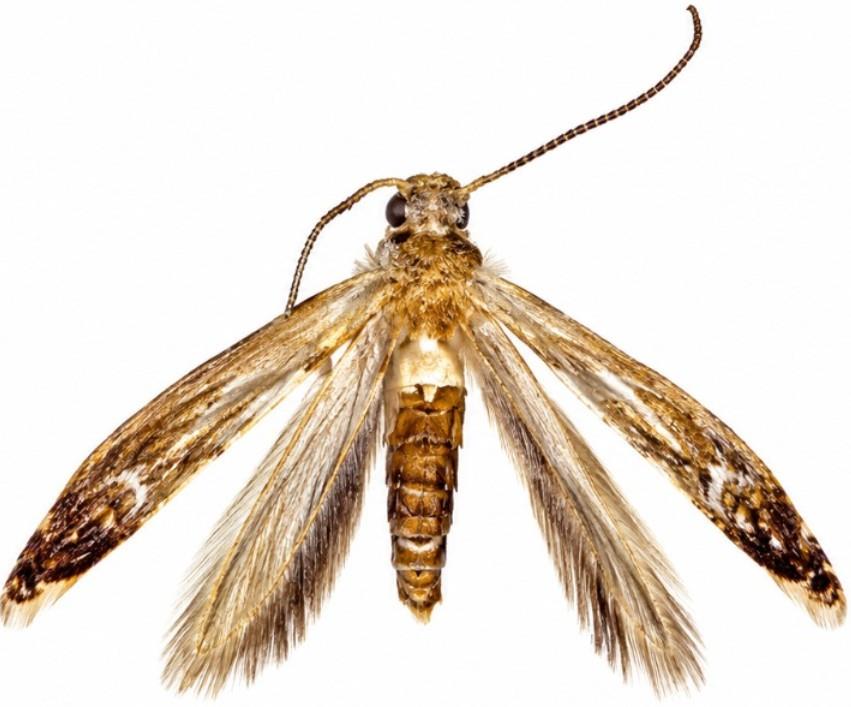
Named Glyphipterix brevimucronata, the moth was found near Mariani in Jorhat district. It was described by Kishore Chandra Sahoo, a scientist at the ICAR-Indian Agricultural Research Institute (IARI), Assam.
The holotype was collected on October 2, 2025, by Sahoo and Abhijith K.P. The description has been published in the journal Zootaxa.
The insect has brown forewings with a yellowish metallic sheen and distinctive white markings. Its species name combines Latin words meaning "short" and "pointed", a reference to a short, pointed structure in its reproductive anatomy.
The finding highlights how little is known about the group. Sedge moths, formally the family Glyphipterigidae, include more than 530 described species worldwide, but only 25 have been recorded in India. Barring one, all Indian species of the genus Glyphipterix were described by British entomologist Edward Meyrick between 1907 and 1923.
India's species diversity within the group remains inadequately studied.
Assam Chief Minister Himanta Biswa Sarma on Friday welcomed the discovery on social media.
Calling it wonderful news, he said Assam's natural world holds many fascinating secrets.
He posted on X, "Wonderful news for nature lovers! Assam is once again making headlines with the discovery of a new micro moth species near Hollongapar Gibbon Sanctuary. Named Glyphipterix brevimucronata, this discovery marks India's first addition to the sedge moth family in nearly a century. Another reminder that Assam's natural world still holds so many fascinating secrets waiting to be discovered." He also shared the pictures.
The discovery adds to the growing scientific profile of the Hollongapar Gibbon Sanctuary.
Spread over just 20.98 sq km in Jorhat district, it is Assam's smallest wildlife sanctuary. It is best known as the home of the hoolock gibbon, India's only ape species, and is also recognised for its rich diversity of butterflies and moths.
Scientists say the finding underlines the need for more systematic surveys of lesser-known insect groups in the Northeast, a region where many small species remain undocumented.

Legal Disclaimer:
MENAFN provides the
information “as is” without warranty of any kind. We do not accept any
responsibility or liability for the accuracy, content, images, videos,
licenses, completeness, legality, or reliability of the information
contained in this article. If you have any complaints or copyright issues
related to this article, kindly contact the provider above.


Comments
No comment