


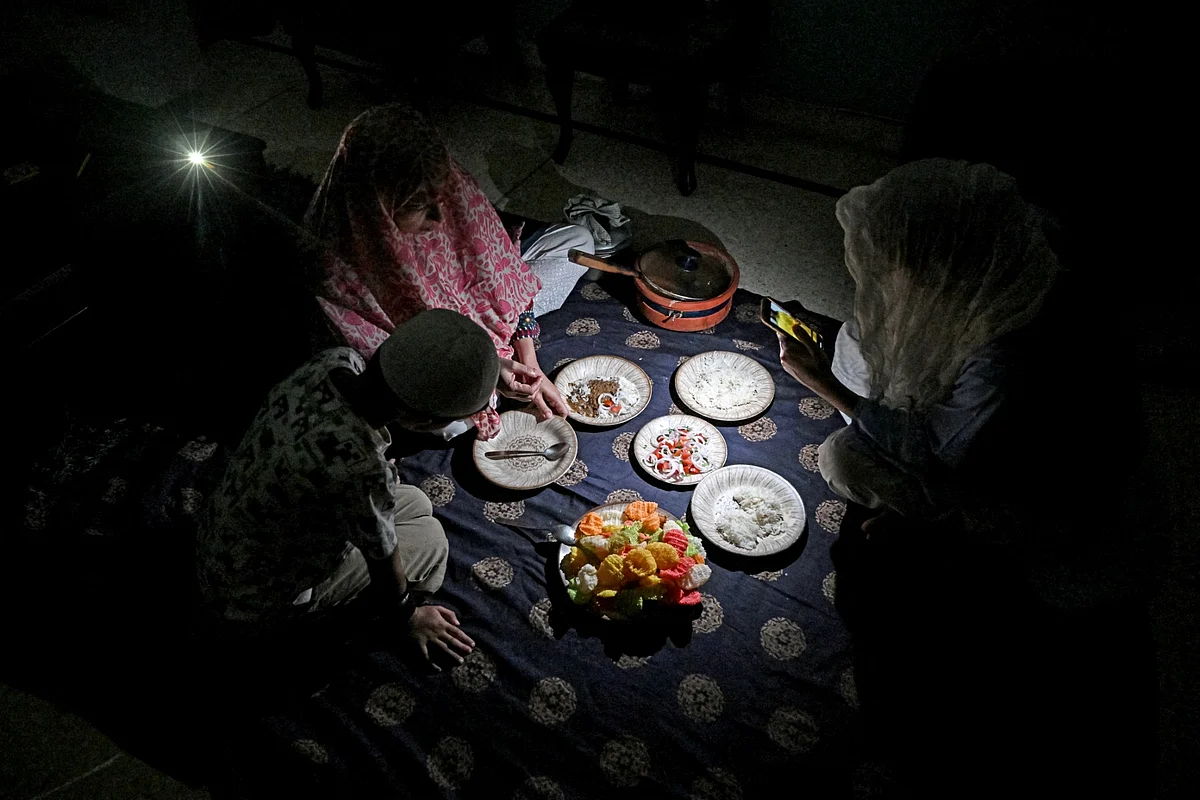
Why Is Food Becoming Unaffordable For Millions Of Households In Pakistan?


The latest figures from the Pakistan Bureau of Statistics (PBS) illustrate the pressure. Its October 2026 price review recorded a 7.74 per cent year-on-year increase in food and non-alcoholic beverage prices, while prices rose by 2.26 percent compared with September.
Recommended For YouSome essential commodities recorded considerably higher annual increases: urban wheat prices rose by approximately 39 percent, wheat flour by 34.27 percent and chicken by 20.30 percent.
Stay up to date with the latest news. Follow KT on WhatsApp Channels.
The PBS's latest Sensitive Price Indicator (SPI), covering the week ending November 12, suggests that short-term price movements have not yet brought substantial relief. Although the overall index declined by 0.46 per cent compared with the previous week, it remained 11.21 percent higher than during the corresponding week in 2025. Wheat flour alone was still 36.14 percent more expensive year-on-year.
UN's Food and Agriculture Organisation (FAO) recently reported retail wheat flour prices had risen sharply in October, reaching record levels in most of the markets it monitored.
FAO attributed the increases to seasonally tight supplies, higher production costs and transportation expenses. For households that rely on wheat flour as a daily staple, these increases can place considerable pressure on already limited budgets.
Impact on food securityFood represents a substantial part of household expenditure in Pakistan. The PBS Household Integrated Economic Survey (HIES) 2024–25 found that food and non-alcoholic beverages accounted for 36.72 per cent of total household consumption expenditure, making it the largest expenditure category.
The survey also recorded a deterioration in reported food security. According to PBS social indicators report, the proportion of households experiencing moderate or severe food insecurity rose from 15.92 per cent in 2018–19 to 24.35 percent in 2024–25. Severe food insecurity alone increased from 2.37 percent to 5.04 percent. This means, nearly one in four households surveyed experienced moderate or severe food insecurity during the survey period.
The figures also reveal a significant divide between income groups. Among households in the poorest consumption quintile, 45.97 per cent experienced moderate or severe food insecurity, compared with 8.95 per cent among the richest. Rural households recorded a higher rate than urban households, at 26.72 per cent and 20.58 per cent, respectively.
These findings highlight how closely food security is connected to household purchasing power. When a large share of household spending is already devoted to food, rising prices leave less money available for other necessities, including housing, electricity, healthcare and education.
Government interventionWheat is central to Pakistan's food-affordability problem because of its importance in everyday consumption. The government has attempted to strengthen domestic supplies through imports, including a shipment of approximately 51,000 tonnes that arrived at Karachi Port in late October.
However, additional supply has not immediately resulted in cheaper flour for consumers. A report published by Dawn on November 3 found that wholesale wheat prices had declined following the arrival of imported supplies, but retail flour remained expensive. In Karachi, a 20kg flour bag was reportedly selling for as much as Rs3,540.
The difference between wholesale and retail prices raises questions about how quickly lower supply costs reach consumers. Transportation expenses and existing stocks purchased at higher prices can influence the final price paid in shops.
The Sindh government has also attempted to reduce costs by lowering its wheat release price from Rs5,000 to Rs4,500 per 40kg on 4th November. According to Dawn, senior provincial minister Sharjeel Inam Memon said the reduction should lower flour prices by approximately Rs15 per kilogram and instructed flour mills to pass on the benefit. Whether this has translated into meaningful savings for consumers, however, remains uncertain.
Threats to wheat productionWhile consumers face the immediate consequences of expensive food, farmers are also dealing with higher agricultural production costs.
A report by Arab News on November 3 found that the price of a 50kg bag of diammonium phosphate (DAP), a fertiliser used in wheat cultivation, had increased from Rs14,009 to Rs17,183, a rise of approximately 23 per cent. Some farmers have reportedly responded by reducing their use of DAP or switching to cheaper alternatives.
The development is significant as Pakistan enters the 2026–27 Rabi season, when wheat is cultivated. If higher production costs affect farmers' decisions about fertiliser use or cultivation, the consequences could extend to future harvests and domestic food supplies.
The government of Pakistan has announced measures to support wheat production, including subsidies for eligible small farmers in Sindh and agricultural assistance in Punjab. The National Assembly's Standing Committee on National Food Security and Research discussed fertiliser availability and agricultural support on 3rd November. The effectiveness of these initiatives will depend on whether assistance reaches farmers and helps offset their rising expenses.
Food insecurity expected to persistThe outlook for vulnerable communities remains concerning. In its October 2026 food-security assessment, FEWS NET (Famine Early Warning Systems Network) estimated that 18 million to 19 million people in Pakistan may need food assistance between January and March 2027.
The organisation expects crisis-level food insecurity to persist in parts of Balochistan, Khyber Pakhtunkhwa and Gilgit-Baltistan. High food prices, weakened household purchasing power, poor harvests and limited employment opportunities were identified as contributing factors.
This figure represents projected food-assistance needs, not a confirmed count of people currently experiencing acute food insecurity. Nevertheless, it indicates the scale of vulnerability that could continue into the coming months.
FEWS NET also identified coping strategies used by vulnerable households, including purchasing food on credit, borrowing money, reducing food consumption and selling livestock or other productive assets. Although these measures may provide temporary relief, they can leave families more exposed to future economic shocks.
Ultimately, Pakistan's food-affordability challenge extends beyond wheat imports or government price reductions. Even when food is available in markets, households without sufficient purchasing power may struggle to obtain what they need. For millions of Pakistanis, the central issue remains whether they can afford enough food without sacrificing other essential needs.
ALSO READ- Pakistan's proposed power prices to lift inflation, help industry, say analysts 'Fuel of the poor' LPG soars in Pakistan, forcing rickshaw drivers to cut meals Why is Pakistan involved in efforts to stop the war in Iran?

Legal Disclaimer:
MENAFN provides the
information “as is” without warranty of any kind. We do not accept any
responsibility or liability for the accuracy, content, images, videos,
licenses, completeness, legality, or reliability of the information
contained in this article. If you have any complaints or copyright issues
related to this article, kindly contact the provider above.


Comments
No comment