


Can Your HOA Make You Remove A Garden That Was There Before You Bought The House?


You bought your house partly because of the beautiful garden in the backyard. The previous owners had spent years creating raised beds, planting shrubs, and installing decorative borders, and everything looked perfectly established when you moved in. Then, several months after closing, a letter arrives from your homeowners association demanding that you remove part of the landscaping. The HOA claims the garden violates community rules, even though you didn't plant it and had no idea there was a problem. Can an association really make you tear out landscaping that was already there when you purchased the property?
Buying the House Doesn't Automatically Protect the GardenOne of the biggest misconceptions about HOA rules is that existing landscaping must be allowed to remain. Unfortunately, purchasing a home with an established garden doesn't necessarily give the new owner an exemption from community restrictions. The legal information publisher Nol explains that HOA governing documents may regulate landscaping even on property homeowners own outright. Those restrictions can include requirements involving plant types, garden placement, decorative materials, and changes to the appearance of a lot. Whether the association can require removal depends on its legal authority, applicable state law, and the specific circumstances surrounding the garden.
The Previous Owner's Approval Could Be ImportantBefore removing anything, find out whether the previous homeowner received written approval for the landscaping. Many associations require homeowners to submit plans to an architectural review committee before making significant changes to their yards. An approval letter, stamped landscape plan, or documented exception could become important evidence if the HOA later challenges the installation. However, prior approval isn't an absolute guarantee against every future rule change or enforcement action. The documents must be evaluated alongside the association's governing rules and any applicable protections for previously approved improvements.
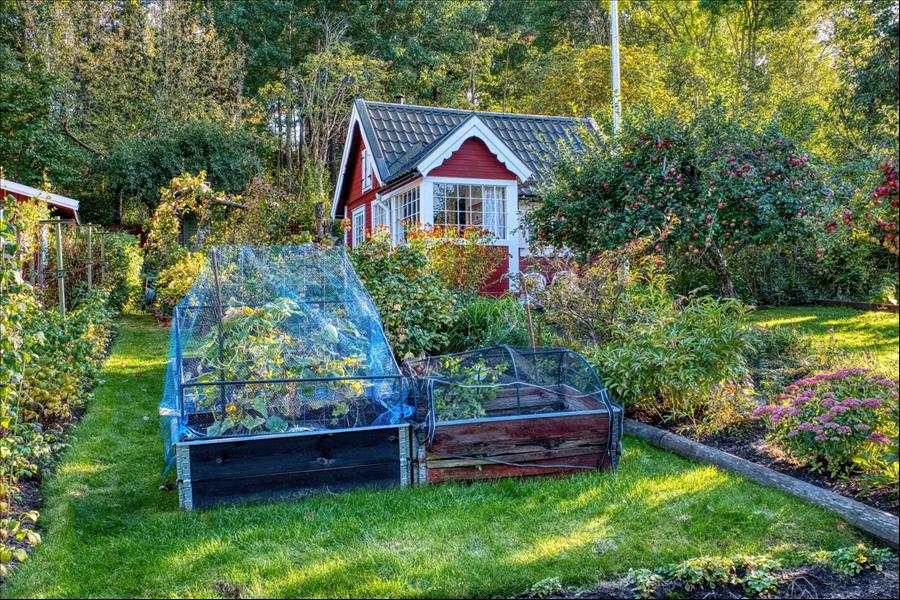
What if the Previous Owner Never Asked Permission?Suppose the previous homeowner installed raised garden beds five years ago without obtaining the approval required by the HOA. The association may argue that the landscaping remains an ongoing violation, even though ownership has changed. A new buyer's lack of involvement in the original installation doesn't necessarily prevent enforcement against the current property owner. However, the HOA still needs a valid legal basis for its demand and must follow applicable procedures. Request the specific rule allegedly violated and any available records showing when the association first identified the problem.
A Real Court Case Shows How Expensive This Can BecomeHOA landscaping disputes aren't always limited to a few warning letters. In Martin v. The Landfall Council of Association, a North Carolina dispute involved homeowners who installed artificial turf after their architectural request had been denied. The association imposed daily fines, and the dispute eventually involved thousands of dollars and litigation. The court upheld the association's decision under the governing documents and applicable law. Although that case concerned landscaping installed by the owners themselves rather than inherited from a previous owner, it demonstrates why ignoring an architectural violation can become financially serious.
Grandfathering Isn't Always AutomaticHomeowners often assume that anything installed before a rule changed is automatically grandfathered in. However, grandfathering depends on the governing documents, the language of the new rule, applicable law, and sometimes the existence of an express exception. Nolo notes that HOA rule changes may affect existing owners unless an applicable provision protects earlier improvements. A garden that was approved under an older rule may have a stronger argument for continued use than one that violated the rules from the beginning. Ask whether the association has a written grandfathering policy and whether it applies to the property rather than only to a particular homeowner.
The HOA Must Have Authority to Enforce the RuleAn association generally cannot impose landscaping restrictions simply because a board member dislikes a particular garden. Its authority must come from governing documents and applicable law, which may limit how restrictions can be adopted and enforced. For example, Florida Statutes Section 720.303 addresses architectural control authority and requires authorized standards to be applied reasonably and equitably. Other states have different statutes, procedural requirements, and protections for property owners. A written demand should identify the actual restriction involved rather than rely on a vague statement that the garden doesn't fit the neighborhood's appearance.
Some States Protect Certain Types of GardensEven when an HOA has landscaping rules, state law may restrict its ability to prohibit certain activities. Depending on the jurisdiction, protections may apply to native landscaping, water-efficient plants, vegetable gardening, or other specified uses. Those protections can have conditions involving location, maintenance, safety, or the association's authority to impose reasonable restrictions. A vegetable bed in a backyard may therefore raise different legal questions from an ornamental garden installed in a shared common area. Check the rules in your state before assuming that either the HOA or the homeowner automatically has the final say.
Selective Enforcement Could Be Worth InvestigatingWhat happens if your HOA demands removal of your garden while several neighbors have similar landscaping? That situation may raise questions about whether the association is enforcing its restrictions consistently. The Homeowners Protection Burea discusses how arbitrary or selective enforcement can affect the enforceability of HOA restrictions in certain circumstances. However, the existence of similar gardens doesn't automatically establish that your association has waived its rules. Differences in approval history, installation dates, governing documents, and state law can affect whether another property provides a useful comparison.
Removing an Established Garden Can Be ExpensiveA mature garden may represent years of labor and substantial financial investment. Suppose an HOA demands removal of three raised beds, decorative stone borders, and several established shrubs. A homeowner might face an illustrative $2,500 in removal and disposal expenses, followed by another $1,500 to restore the affected lawn or landscaping. That hypothetical $4,000 bill doesn't include possible fines, legal expenses, or the loss of plants that may be difficult to replace. Before agreeing to extensive removal work, obtain written clarification of exactly what must change and whether less expensive alternatives would satisfy the association.
Ask for the Records Before Spending MoneyYour first response to an HOA violation letter should generally be a request for documentation rather than immediate demolition. Ask for the applicable covenants, landscaping guidelines, architectural approvals, amendments, and any records concerning the garden's compliance history. Review your home purchase documents to see whether landscaping approvals, violations, or pending disputes were disclosed. You may also want to contact the seller or closing professionals to ask whether additional records exist. Preserve all correspondence because the dates and wording of HOA notices can matter if the dispute escalates.
An Appeal May Offer a Less Expensive SolutionMany associations have procedures allowing homeowners to request reconsideration or appeal an architectural decision. Present photographs showing that the garden existed before your purchase, along with any written approvals or relevant records. You might propose modifying a border, relocating a raised bed, or replacing a particular plant rather than removing the entire garden. The North Carolina Department of Justic advises homeowners to review association governing documents and consult private legal counsel when disputes cannot be resolved. A reasonable compromise may preserve much of the landscaping while avoiding the cost and uncertainty of litigation.
Don't Ignore Fines or Removal DeadlinesEven when you believe the HOA is wrong, ignoring its letters can make the dispute more expensive. Depending on state law and the governing documents, associations may have authority to impose fines, pursue collection, or seek court orders addressing violations. The North Carolina Planned Community Act, for example, provides procedures for imposing certain fines after notice and an opportunity to be heard. Other jurisdictions may have different limits and requirements, so a deadline in one state shouldn't be assumed to apply everywhere. If the association threatens significant fines or legal action, consider getting advice from an attorney experienced in HOA disputes before the situation escalates.
The Garden You Inherited Still Deserves a Fair ReviewBuying a home with an established garden doesn't automatically exempt the landscaping from HOA restrictions. However, a removal demand isn't necessarily the final word, especially when prior approvals, grandfathering provisions, state protections, or procedural issues may apply. The most useful first step is gathering documentation and identifying the specific legal basis for the association's decision. Negotiating a reasonable modification may also be less expensive than removing mature plants or pursuing a lengthy legal dispute.
If your HOA demanded that you remove a garden installed years before you bought your home, would you fight the decision or make the changes to avoid the hassle?
Legal Disclaimer:
MENAFN provides the
information “as is” without warranty of any kind. We do not accept any
responsibility or liability for the accuracy, content, images, videos,
licenses, completeness, legality, or reliability of the information
contained in this article. If you have any complaints or copyright issues
related to this article, kindly contact the provider above.


Comments
No comment