


The Cost Of Feeding Four People Breakfast At Home Versus A Restaurant


A classic breakfast can be one of the easiest meals to prepare at home, but families may still wonder whether cooking is worth the effort compared with eating out. Eggs, bacon, pancakes, toast, and coffee are familiar choices that can feed several people without requiring an elaborate menu. However, grocery prices and restaurant menu prices can make the difference between the two options more noticeable.
GroceryCouponGuide may earn a commission when you buy through links in this article.
For a family of four, preparing breakfast at home can cost considerably less than ordering individual meals at a sit-down restaurant. The comparison becomes more interesting when shoppers consider how much food they need to buy, what ingredients they already have, and the extra costs of dining out. Looking at a traditional breakfast provides a practical way to see where the money goes.
What a Classic Breakfast at Home CostsA simple breakfast for four could include two eggs per person, bacon, pancakes, toast, and coffee. Using average U.S. grocery prices from October 2026, eggs cost about $2.32 per dozen, bacon averaged $6.69 per pound, and white bread was approximately $1.86 per pound. Flour, butter, milk, and coffee add to the grocery bill, although only part of each package is needed for one breakfast. Families that already keep these staples in the kitchen may spend even less to prepare the meal.
For the portions used in one breakfast, a reasonable estimate is around $15 to $20 in ingredients. That includes eggs, several slices of bacon, pancakes, toast, butter, syrup, and brewed coffee. The exact amount depends on how much bacon each person eats, whether the family uses pancake mix or makes pancakes from scratch, and which brands they purchase. This estimate reflects the ingredients consumed, not necessarily what shoppers must spend at checkout to buy every package. Families may have enough leftover ingredients for additional breakfasts.
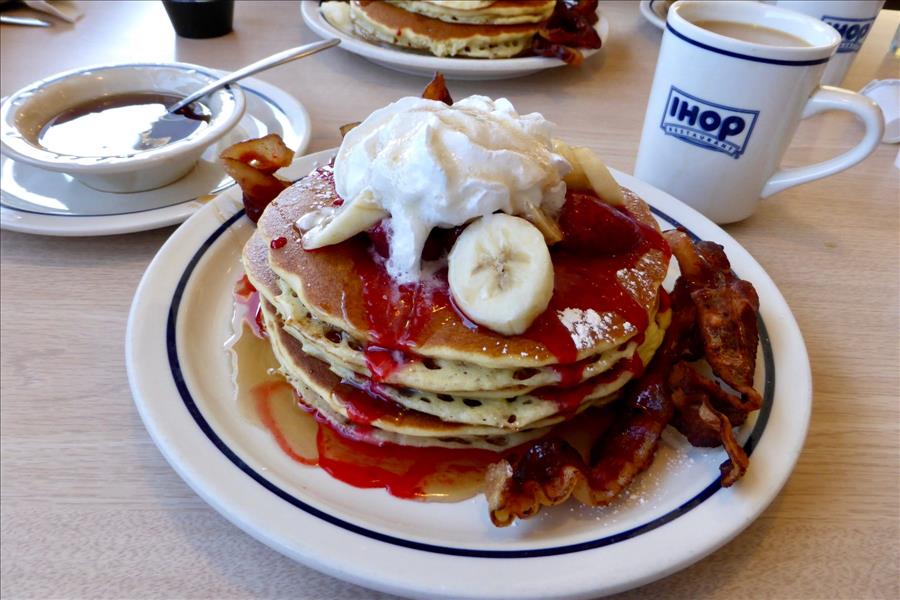
How Much Four Restaurant Breakfasts Can CostRestaurant breakfast prices vary by chain and location, but traditional egg combinations provide a useful comparison. At IHOP, a Quick 2-Egg Breakfast listed on a current location menu costs $11.59. It includes two eggs, hash browns, a choice of bacon or sausage, and toast. Ordering four of those meals would bring the food total to approximately $46.36 before drinks, taxes, or any additional charges.
A more substantial breakfast with pancakes can push the total higher. IHOP's World-Famous Pancake Combo is listed at $13.29 on the same menu, bringing four meals to approximately $53.16 before additional costs. These prices show why a restaurant breakfast can become expensive for a family, even when everyone orders familiar menu items rather than specialty dishes. Coffee, juice, and other beverages can increase the bill further. Local menu prices may also differ from the advertised examples.
The Difference Between Grocery Checkout and Restaurant SpendingOne important distinction is that the cost of making breakfast is not always the same as what you spend at the grocery store. A family might use eight eggs, part of a package of bacon, several slices of bread, and a portion of a pancake mix. However, shoppers generally have to purchase entire packages, even when they only need part of the contents for one meal.
That means the initial grocery trip could cost more than the estimated $15 to $20 in ingredients used. Buying eggs, bacon, bread, pancake mix, syrup, butter, and coffee for the first time may require a larger upfront purchase. The remaining ingredients can be used for future meals, making the cost per breakfast lower over time. Restaurant customers, on the other hand, pay for each meal when they visit and do not take home the ingredients needed to prepare another breakfast. Comparing both the immediate checkout total and the food actually consumed gives families a more realistic picture.
Drinks and Extras Can Make Restaurant Breakfast More ExpensiveA restaurant's advertised breakfast price does not always reflect what a family spends by the time everyone finishes ordering. Some customers want coffee, while others prefer juice, milk, or another beverage. Additional sides, such as extra bacon, sausage, or pancakes, can also increase the bill. Even a modest addition for each person can make a noticeable difference across four meals.
At home, brewed coffee is generally less expensive per serving than ordering individual restaurant drinks. Families can also pour milk or juice from containers they already purchased rather than paying restaurant prices for each glass. The same applies to extras like toast, butter, and syrup, which can be served in the quantities everyone wants. Restaurant portions may be more convenient, but those additional items add to the final cost. For families trying to keep breakfast affordable, beverages and add-ons are worth including in the comparison.
Partner Pick
Costco 1-Year Gold Star Membership + $45 Digital Costco Shop Card
Purchase a 1-Year Costco Gold Star Membership and get a $45 Digital Costco Shop Card. Deal Price $65.00. Valid for new members only or for members whose memberships have been expired for more than 18 months. Only available to U.S. & Puerto Rico customers. Promotion code must be purchased by 12/20/26 and redeemed by January 31, 2027.
View the offer
Preparing breakfast at gives families control over portions and ingredients. Someone who prefers one egg can have a smaller serving, while another family member can have extra pancakes or bacon without ordering another full restaurant meal. Leftover ingredients can also be used for sandwiches, breakfast burritos, or another morning meal. This flexibility makes it easier to stretch groceries across several days.
Restaurants offer convenience, but customers generally pay for the portions and combinations listed on the menu. Substitutions or additional sides may come with extra charges, depending on the restaurant. Families also have less control over how much food they order when each person chooses an individual combination. Cooking at home requires preparation and cleanup, but it lets shoppers adjust meals to their budget. For households that regularly eat breakfast together, having basic ingredients available can make a meaningful difference.
When Going Out for Breakfast May Still Be Worth ItSaving money is not the only consideration when deciding where to eat. Restaurant breakfasts can be worthwhile when families want a break from cooking, are celebrating an occasion, or need a convenient meal while traveling. Someone who rarely eats out may consider the higher price reasonable for the experience. Restaurant specials, kids' deals, and loyalty rewards can also make certain visits more affordable.
The comparison changes when a family has to purchase groceries specifically for one breakfast and does not expect to use the remaining ingredients. In that situation, the upfront grocery expense may feel closer to the restaurant bill, even though the household keeps the unused food. Families should also consider their time, transportation, and the value they place on convenience. A restaurant meal is not automatically a poor financial choice, but it is usually a more expensive way to serve the same basic breakfast to four people. The best decision depends on whether the priority is spending less, saving time, or enjoying a meal away from home.
The More Affordable Choice for a Family of FourFor a traditional breakfast featuring eggs, bacon, pancakes, toast, and coffee, cooking at home generally costs less than ordering four individual restaurant meals. The estimated ingredient cost of $15 to $20 compares with roughly $46 to $53 for four comparable IHOP breakfast combinations, before beverages, taxes, and other additions. Grocery shoppers may pay more upfront when purchasing full packages, but the remaining ingredients can help cover future meals.
Families do not have to stop enjoying restaurant breakfasts to manage their food budgets. Preparing familiar favorites at home most of the time and saving restaurant visits for occasional treats can offer a practical balance. When comparing the two options, look beyond the advertised menu price and consider the full cost of feeding everyone. For a family that regularly eats breakfast together, keeping eggs, bacon, bread, and pancake ingredients on hand can make home cooking the more economical routine.
Want the free grocery savings guide?
Get our state-by-state guide to the cheapest grocery stores, plus savings tips and hand-picked deals twice a month.
Email addressFree. Unsubscribe anytime.

Legal Disclaimer:
MENAFN provides the
information “as is” without warranty of any kind. We do not accept any
responsibility or liability for the accuracy, content, images, videos,
licenses, completeness, legality, or reliability of the information
contained in this article. If you have any complaints or copyright issues
related to this article, kindly contact the provider above.


Comments
No comment