


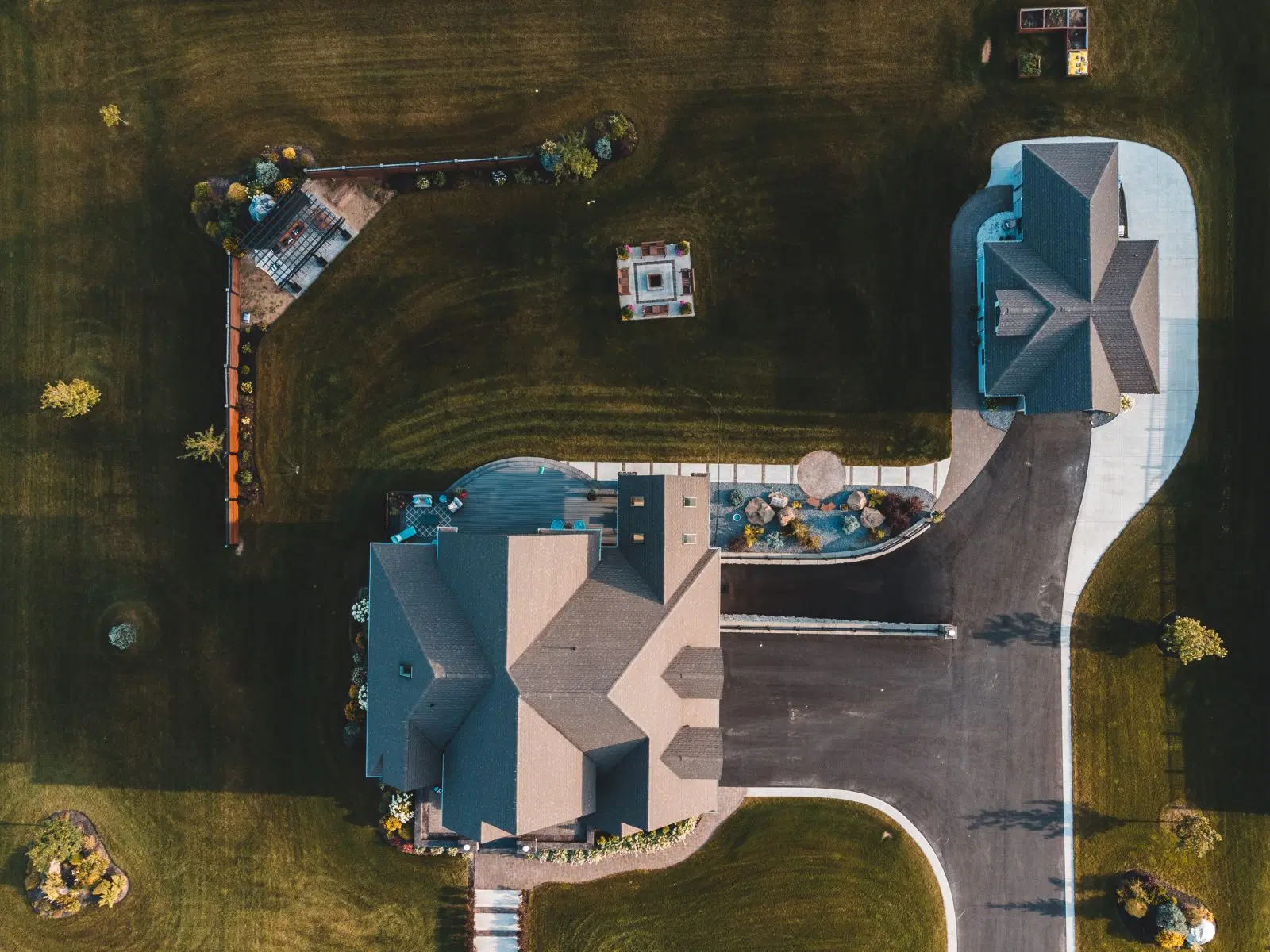
Your New House Has A Shared Driveway - 6 Problems Buyers Often Overlook


The house checks nearly every box on your wish list: a great kitchen, a spacious backyard, and a price that fits your budget. There's just one unusual feature you barely noticed during the showing. The driveway is shared with the house next door, and the real estate agent assures you that the arrangement has worked perfectly for years. It sounds harmless enough until you start thinking about what happens when someone blocks your car, refuses to pay for repairs, or sells their property to a less cooperative neighbor. Before buying a house with a shared driveway, there are six potential problems worth investigating because some can become surprisingly expensive.
Affiliate disclosure: This article contains affiliate links. Everybody Loves Your Money may earn a commission if you buy or sign up through links in this article, at no additional cost to you. 1. You May Not Have the Legal Access You Think You DoA driveway that physically connects your house to the street doesn't automatically establish a permanent legal right to use every portion of it. Shared driveways often involve easements, which grant one property owner limited rights to use land belonging to another. The American Bar Association's residential real estate guidanc explains why buyers should review surveys, title records, and easements before purchasing property. If the legal arrangement is unclear, a buyer could face access disputes or complications obtaining financing. Ask your title company or real estate attorney to confirm that the property has enforceable access rights covering the actual driveway.
2. Nobody May Agree on Who Pays for RepairsA shared driveway may look inexpensive to maintain until cracks appear, drainage fails, or the entire surface needs replacement. If the driveway requires $8,000 in repairs, will you and your neighbor each pay $4,000, or does someone have a different obligation? The answer depends on applicable law and any recorded easement or maintenance agreement, not simply on what seems fair. A shared-driveway legal guide from Northwest La explains that maintenance arrangements can be important to both property owners and mortgage lenders. Before closing, request any written agreement and determine who handles routine maintenance, major repairs, snow removal, and unexpected damage.
Budgeting PickSee Where Your Money Goes Every MonthQuicken pulls your accounts, bills, and spending into one place, so you can spot leaks and plan before payday instead of after Quicken's Plans Everybody Loves Your Money may earn a commission if you buy through this link. 3. Parking Disagreements Can Become Daily FrustrationsA shared driveway might provide enough space for two vehicles to pass but not enough room for additional parking. Problems can arise when a neighbor leaves a car in the access lane, hosts visitors, or uses the driveway for deliveries and temporary storage. Even a friendly arrangement can become frustrating when one household repeatedly prevents the other from entering or leaving. Easement rights generally depend on the language of the agreement and applicable law, so neither neighbor should assume unlimited authority over the shared area. Visit the property at different times and ask whether the driveway agreement specifically addresses parking, obstructions, and access.
4. Your Neighbor May Have a Say in Future ImprovementsYou might picture widening the driveway, installing a decorative gate, or replacing old asphalt with attractive pavers. However, changes affecting a shared access area may require cooperation or approval from another property owner. A recorded easement can limit improvements that interfere with the other owner's legal rights, even when part of the driveway sits on your land. An easement holder typically receives a limited right of use rather than full ownership or unrestricted control. Before budgeting for driveway upgrades, verify the boundaries, permitted uses, and any consent requirements that apply.
5. Drainage and Winter Maintenance Can Create Unexpected BillsWater runoff, ice, snow, and deteriorating pavement can make a shared driveway more complicated than an ordinary private entrance. If poor drainage sends water toward one house, the owners may disagree about who should pay for corrective work. In colder climates, snow removal can become another recurring expense, particularly when both households need access at different times. A 2026 shared-driveway guidance articl identifies drainage, surface maintenance, and access for emergency vehicles as issues that deserve attention in a written agreement. Ask a qualified inspector or contractor to evaluate visible problems and obtain estimates before committing to a property with significant driveway damage.
6. Shared Access Can Complicate Financing and ResaleThe biggest financial surprise may not appear until you apply for a mortgage or eventually decide to sell. Some lenders require satisfactory documentation of legal access and maintenance responsibilities before approving financing on properties with shared driveways. Northwest Law notes that a lender or title insurer may require a shared driveway agreement when the existing documents don't adequately address the arrangement. A future buyer may raise the same questions, particularly if disputes have developed or records are incomplete. Resolving documentation problems before purchasing can reduce the risk of expensive delays during your own closing or a later sale.
What to Review Before You Sign the Closing PapersStart with the property survey, title commitment, deed, and any recorded easement or shared driveway agreement. The American Bar Association explains that surveys can reveal boundary issues, encroachments, and access arrangements that aren't obvious during a showing. Ask whether the driveway lies entirely on one property or crosses several parcels, and confirm that the written rights match its physical location. Review seller disclosures and ask specifically about past disagreements, unpaid repair bills, parking conflicts, or previous access problems. If the documents are unclear, consult a qualified real estate attorney before your contractual deadlines expire.
Sellers sometimes reassure buyers that the neighbors have shared the driveway peacefully for decades. That's encouraging, but an informal understanding may not adequately protect future owners when circumstances change. The next neighbor could have more vehicles, different expectations, or little interest in continuing an unwritten cost-sharing arrangement. A properly documented agreement can clarify access, maintenance responsibilities, permitted uses, and procedures for resolving disagreements. Written terms won't eliminate every conflict, but they can reduce uncertainty when the people involved are no longer the same.
Calculate the Costs Beyond the MortgageA shared driveway doesn't automatically make a home a poor investment, but its potential expenses belong in the purchase budget. Consider a hypothetical property requiring $6,000 in driveway repairs within the next few years, with an agreement requiring you to cover half. That creates a possible $3,000 obligation beyond your mortgage, property taxes, insurance, and normal maintenance. If no written cost-sharing arrangement exists, you may face uncertainty about how much of the expense you'll ultimately bear. Factoring these risks into your emergency savings and purchase negotiations can help prevent a financial surprise after moving in.
A shared driveway can work well when the property owners have clear legal rights, reasonable expectations, and a practical maintenance arrangement. The problems begin when buyers assume that an existing driveway automatically guarantees access, cooperation, and equal responsibility for expenses. Reviewing easements, surveys, financing requirements, and repair obligations can reveal issues that aren't visible during a home tour. If the documentation is incomplete, resolving it before closing is generally easier than negotiating with an uncooperative neighbor after you've moved in.
Would you buy a house with a shared driveway, or would the possibility of future neighbor disputes make you walk away?
Legal Disclaimer:
MENAFN provides the
information “as is” without warranty of any kind. We do not accept any
responsibility or liability for the accuracy, content, images, videos,
licenses, completeness, legality, or reliability of the information
contained in this article. If you have any complaints or copyright issues
related to this article, kindly contact the provider above.


Comments
No comment