


Qatar Develops Scientific Standards For Translating Meanings Of The Holy Quran


DOHA: Qatar is working to establish scientific and methodological standards for translating the meanings of the Holy Quran into different languages, with around 13 proposed criteria currently under study ahead of the publication of a specialised reference guide for researchers, translators and institutions worldwide.
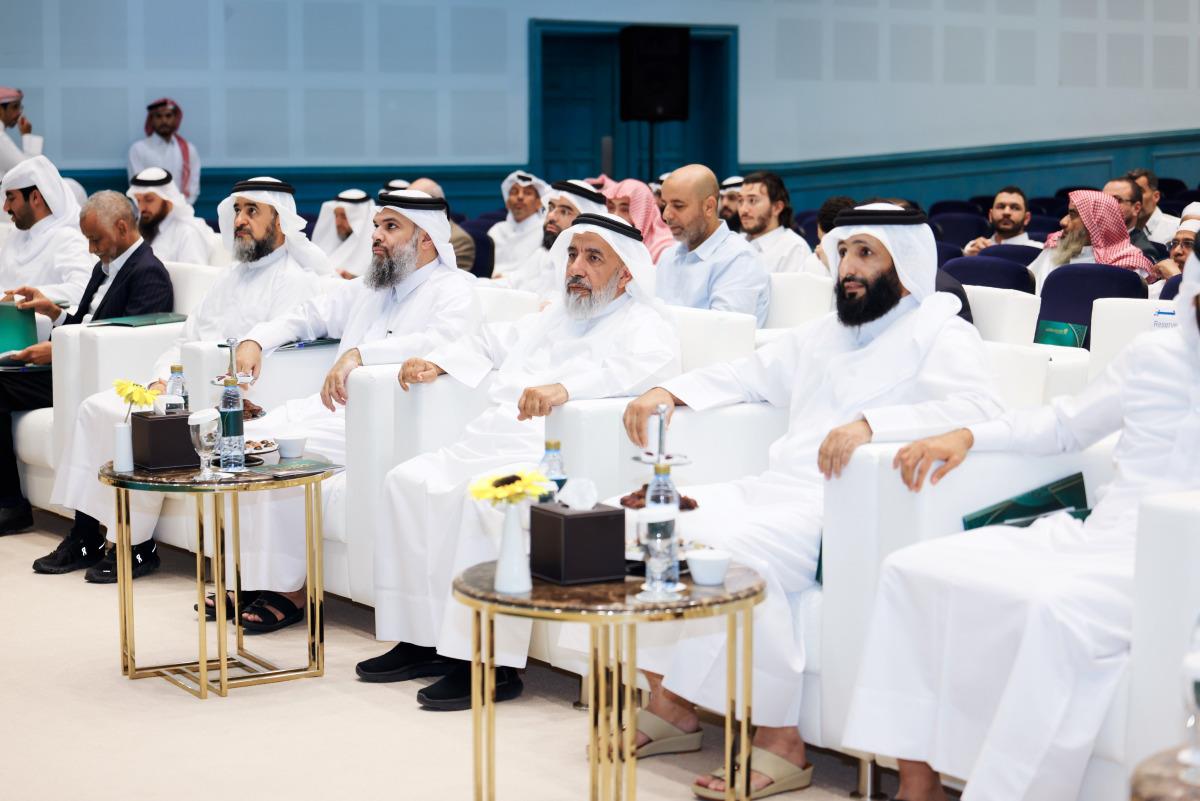
The initiative was discussed at a specialised scientific seminar organised by the Sheikh Abdullah bin Zaid Al Mahmoud Islamic Cultural Center on November 17, 2026, in the presence of Minister of Awqaf and Islamic Affairs H E Ghanem bin Shaheen bin Ghanem Al Ghanim.
The seminar brought together scholars, researchers and experts to examine the linguistic, interpretative and cultural challenges involved in translating the meanings of the Holy Quran and explore ways to ensure accuracy, clarity and faithfulness to the original meanings.
The event was also attended by Undersecretary of the Ministry of Awqaf and Islamic Affairs H E Dr Sheikh Khalid bin Mohammed bin Ghanem Al Thani, Dean of the College of Sharia and Islamic Studies at Qatar University Dr Ibrahim Abdullah Al Ansari, and Dr Naif bin Nahar, alongside academics and specialists.
Director of the Sheikh Abdullah bin Zaid Al Mahmoud Islamic Cultural Center Dr Saleh Ali Al Akhn Al Marri said in his opening remarks that conveying the guidance of the Holy Quran to people in their respective languages was a great responsibility. He highlighted the efforts of scholars and translators over the centuries while stressing the need for a unified scientific reference to address differences in translation approaches and interpretations.
He said the initiative was not simply intended to produce another translation, but to establish a methodological framework that combines authentic Quranic interpretation, translation accuracy and an understanding of the target audience's language and culture.
The seminar featured discussions on several criteria for improving Quran translations, including linguistic fluency, literary quality, accuracy of meaning, consideration of context and multiple interpretations, appropriate use of explanatory materials, objectivity and adherence to the grammatical and stylistic characteristics of the target language.
A major focus was the translation of Islamic terminology, particularly whether specific Quranic terms should have consistent English equivalents across different contexts. Participants discussed the possibility of developing an English glossary of Quranic and Islamic terminology to help translators maintain consistency while accounting for differences in meaning according to context.
The translation of the 99 names of Allah was another key subject, with experts examining how to select English equivalents that convey the linguistic and religious meanings of each name. They also discussed whether the word Allah should be retained in English translations or rendered as God, taking into account the target readership and the context in which the terms appear.Y

Legal Disclaimer:
MENAFN provides the
information “as is” without warranty of any kind. We do not accept any
responsibility or liability for the accuracy, content, images, videos,
licenses, completeness, legality, or reliability of the information
contained in this article. If you have any complaints or copyright issues
related to this article, kindly contact the provider above.


Comments
No comment