


Six Arab Countries Step Up Diplomatic Contacts As Gulf Tensions Rise


Six Arab countries have stepped up diplomatic consultations as renewed tensions in the Gulf raise concerns over regional security and the safety of international shipping routes.
Recommended For YouForeign ministers and senior officials from the UAE, Qatar, Oman, Bahrain, Jordan and Egypt held a series of separate telephone discussions on Tuesday, November 17, focusing on ways to reduce tensions and strengthen regional coordination.
The diplomatic contacts came as Bahrain reported intercepting another Iranian aerial attack, adding to concerns over the widening confrontation and its potential impact on neighbouring countries.
While the discussions took place separately, the statements issued by the countries highlighted a shared emphasis on dialogue, political solutions and regional stability.
Stay up to date with the latest news. Follow KT on WhatsApp Channels. UAE and Qatar discuss regional developments
UAE Deputy Prime Minister and Minister of Foreign Affairs Sheikh Abdullah bin Zayed Al Nahyan held a telephone call with Qatar's Prime Minister and Minister of Foreign Affairs Sheikh Mohammed bin Abdulrahman bin Jassim Al Thani.
According to the UAE Ministry of Foreign Affairs, the two officials discussed bilateral relations and opportunities to strengthen cooperation. They also exchanged views on regional developments and efforts to enhance security and stability.
Qatar's Ministry of Foreign Affairs said the discussion included diplomatic efforts and coordination aimed at reducing tensions. Al Thani reaffirmed his country's support for diplomatic initiatives seeking to ensure freedom of maritime navigation and reach a comprehensive agreement that could contribute to lasting peace.
Qatar and Jordan call for continued diplomacyThe Qatari prime minister also held a separate telephone conversation with Jordanian Foreign Minister Ayman Safadi. Their discussions focused on bilateral cooperation and the latest regional developments, including diplomatic efforts to prevent further escalation.
Qatar again stressed the importance of securing maritime navigation and pursuing a negotiated solution to the regional crisis.
The discussions reflect growing concern among Arab countries about the consequences of continued military confrontation, particularly for states located near major international shipping routes.
Oman and Egypt seek political solutionsIn another diplomatic exchange, Oman's Foreign Minister Badr bin Hamad Al Busaidi spoke with his Egyptian counterpart Badr Abdelatty. The ministers reviewed regional developments and discussed ways to coordinate efforts aimed at reducing tensions.
Both sides stressed the importance of maintaining consultations and creating conditions that could support political solutions.
Their discussions also addressed the need to safeguard maritime routes, as concerns continue over security in the Strait of Hormuz.
Oman has played a diplomatic role in efforts to facilitate communication between Washington and Tehran, while Egypt has also supported regional initiatives aimed at preventing further military escalation.
Jordan expresses solidarity with BahrainJordan's foreign minister also held talks with Bahrain's Foreign Minister Abdullatif bin Rashid Al Zayani following the latest Iranian attacks on the kingdom.
During the conversation, Safadi reiterated Jordan's condemnation of the attacks and expressed support for Bahrain's sovereignty, security and stability.
The two ministers also discussed bilateral relations and opportunities to strengthen cooperation. The call came after Bahrain announced that its air defence systems had intercepted an Iranian aerial attack.
Iran's Islamic Revolutionary Guard Corps said it had targeted a US radar installation at Sheikh Isa Air Base. The extent of any damage was not independently established in the statements reviewed.
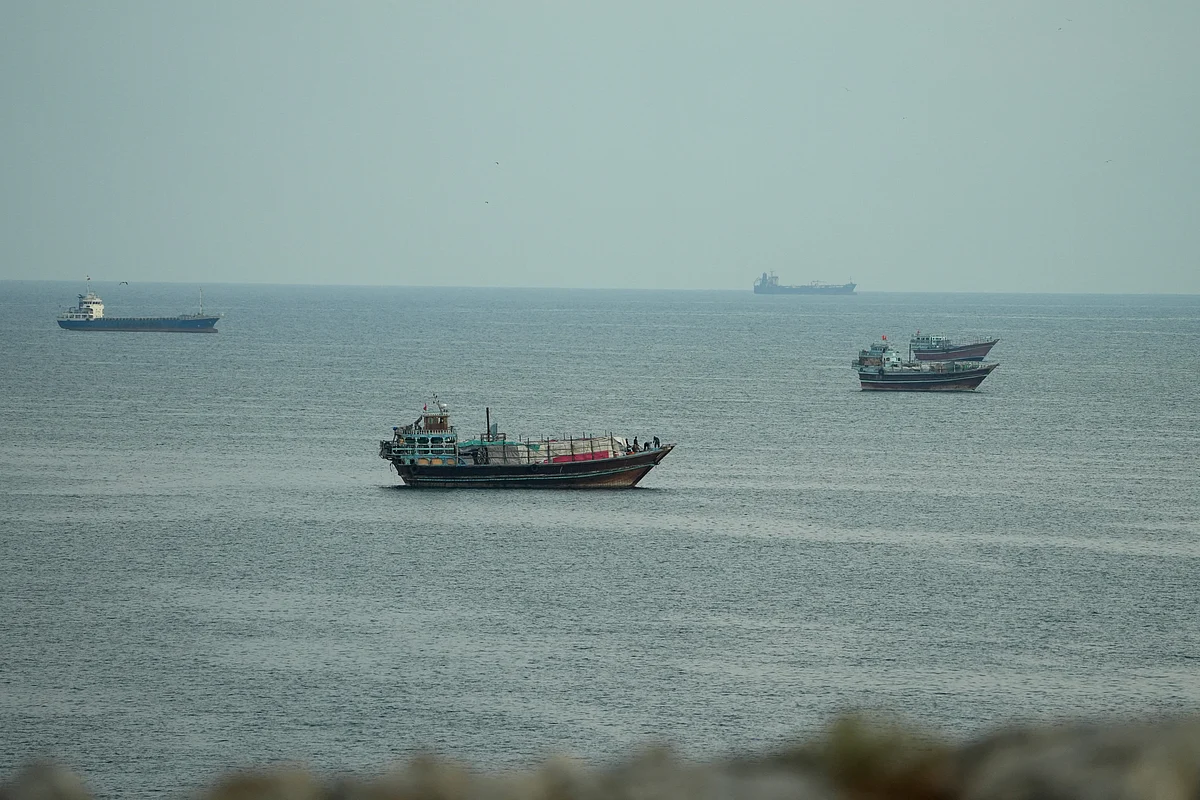
Why maritime security mattersThe latest diplomatic activity comes amid renewed concern over the Strait of Hormuz, one of the world's most important maritime routes for oil and gas shipments.
Security threats in the waterway have raised questions about the safety of commercial vessels and the potential consequences for international trade. For Gulf countries, maintaining freedom of navigation is closely linked to economic stability and the movement of energy supplies.
The issue featured prominently in Qatar's diplomatic discussions, with Doha emphasising the importance of a solution that protects maritime traffic and supports lasting regional peace.
Can diplomacy prevent further escalation?The latest telephone discussions underline the importance Arab governments are placing on political engagement as military tensions continue.
However, the statements did not announce a joint Arab initiative, a new agreement or a confirmed breakthrough in negotiations. Instead, they pointed to continued coordination and support for diplomatic efforts.
With regional security and maritime trade facing renewed uncertainty, the challenge for Arab governments remains finding a way to prevent further escalation while keeping channels for dialogue open.
ALSO READ- Why is Iran targeting Bahrain and Kuwait, what is happening in the Strait of Hormuz? Explainer: How GCC can avoid being drawn into another US-Iran war escalation Explainer: What Trump's decision to halt attacks but maintain Iran blockade means for the Gulf 'Neighbours are forever': Why Oman opts for diplomacy 'under any circumstance'

Legal Disclaimer:
MENAFN provides the
information “as is” without warranty of any kind. We do not accept any
responsibility or liability for the accuracy, content, images, videos,
licenses, completeness, legality, or reliability of the information
contained in this article. If you have any complaints or copyright issues
related to this article, kindly contact the provider above.


Comments
No comment