


Excessive Pesticide Residue Found On Legumes In Switzerland


-
Deutsch
de
Jede vierte Probe von Hülsenfrüchten in Basel beanstandet
Original
Read more: Jede vierte Probe von Hülsenfrüchten in Basel beanst
Of a total of 41 product samples tested, ten products were found to be non-compliant, as the Basel Cantonal Laboratory announced on Wednesday. This corresponds to a non-compliance rate of 24%.
In six samples, the experts detected unacceptable levels of phosphine residues, while four others contained incorrect labelling. For the investigation, the laboratory collected dried legumes and oilseeds from major retailers, chemists, organic shops and specialist shops across the city.
+ How a handful of big agriculture companies have taken over food production
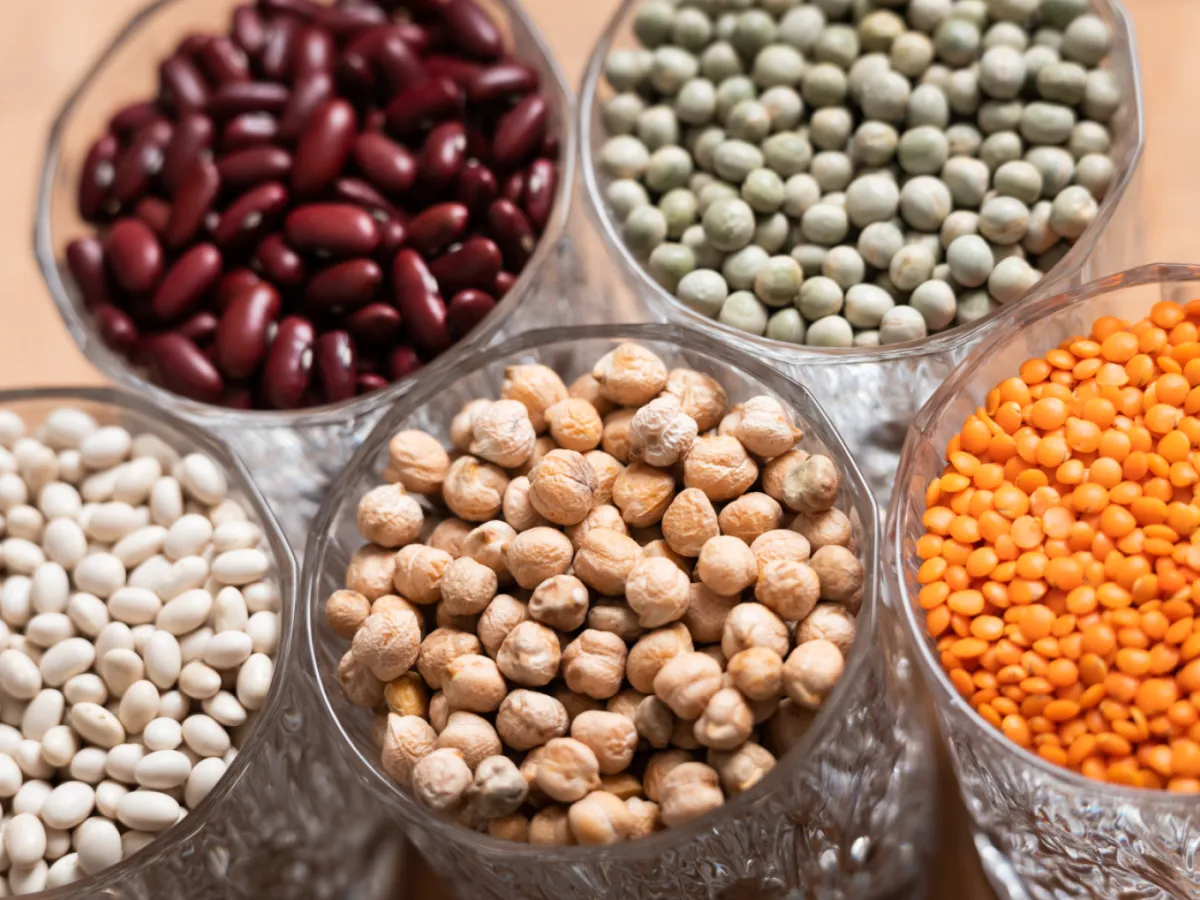
According to the statement, chickpeas, lentils and beans were found to be particularly heavily contaminated. It was reported that in two chickpea samples from India and Argentina, the phosphine concentration exceeded the maximum permitted limit of 10 micrograms per kilogramme by a factor of seven. The authority subsequently imposed sales bans.
Complaints regarding organicSamples of sesame, peanuts and peas, on average, contained only small amounts of the fumigant. Complaints regarding sesame related exclusively to labelling deficiencies, the statement added.
Even organically produced products were not free from complaints. Although phosphine levels in organic produce were on average 55% lower than in conventional products, 44% of the organic legumes tested exceeded the relevant organic intervention limit. In one sample of organic red lentils, even the general limit was exceeded.
Join the debate:
External Content+ How we produce news in English
Translated from German, reviewed by an English Department journalist.
See more Swissinfo articles in your Google results. Learn
In compliance with the JTI standards
More: SWI swissinfo certified by the Journalism Trust Initiati
You can find an overview of ongoing debates with our journalists here. Please join us!
If you want to start a conversation about a topic raised in this article or want to report factual errors, email us at ....

Legal Disclaimer:
MENAFN provides the
information “as is” without warranty of any kind. We do not accept any
responsibility or liability for the accuracy, content, images, videos,
licenses, completeness, legality, or reliability of the information
contained in this article. If you have any complaints or copyright issues
related to this article, kindly contact the provider above.


Comments
No comment