


5 Grocery Store Products Worth Comparing Against Store Brands


Switching to store brands is one way shoppers can lower their grocery bills, but choosing the least expensive option doesn't always mean the best value. Some products have noticeable differences in ingredients, flavor, or performance that can affect how they turn out in a recipe. That does not mean national brands are automatically better. It means shoppers should know what they are comparing before deciding whether the savings are worthwhile.
GroceryCouponGuide may earn a commission when you buy through links in this article.
Consumer Reports has found that many store-brand groceries can compete with national brands on taste, sometimes at substantially lower prices. Its May 2026 coverage also noted that private-label products have become an increasingly important part of grocery shopping. However, certain specialty products deserve a closer look because small ingredient differences can matter. Here are five grocery store products worth comparing before automatically reaching for the store brand.
1. Pure Vanilla ExtractVanilla extract is one of those baking ingredients shoppers may not think twice about purchasing. However, there is an important distinction between pure vanilla extract and imitation vanilla. A cheaper bottle of imitation vanilla is not necessarily a direct substitute for pure vanilla extract, even if both products sit side by side on the shelf.
When comparing store brands with national brands, make sure both bottles contain pure vanilla extract. Then check the bottle size, ingredients, and price per fluid ounce. Vanilla is particularly noticeable in recipes where it plays a leading role, such as custards, frostings, and simple cakes. A store-brand pure extract may be a perfectly reasonable purchase, but shoppers should not compare it with a different type of vanilla product and assume they are getting the same thing.
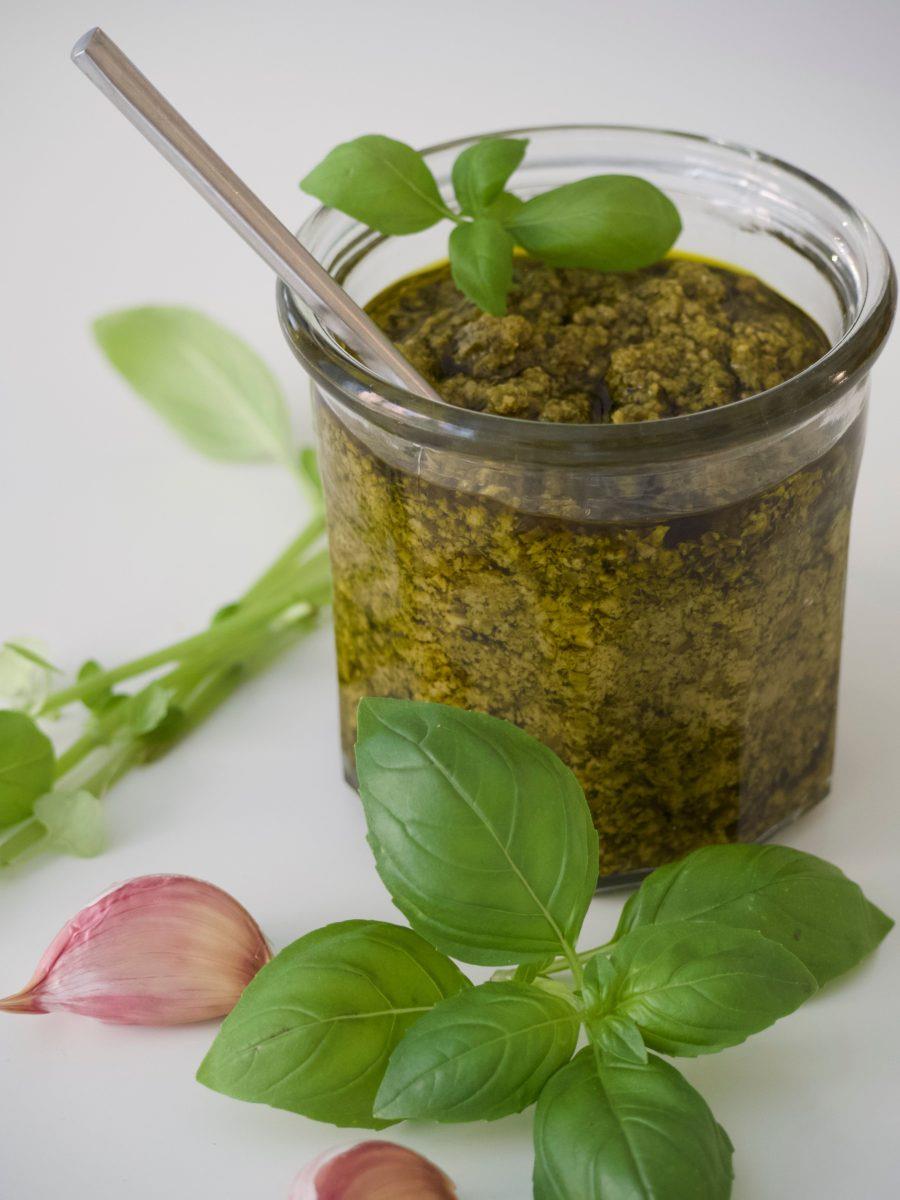
2. Jarred PestoPesto is a convenient way to add flavor to pasta, sandwiches, chicken, and vegetables without making a sauce from scratch. However, different brands can have noticeably different recipes. One jar may emphasize basil and Parmesan, while another may use different oils, nuts, or cheese ingredients that change the overall flavor.
Check the ingredient list before choosing between a store brand and a national brand. Pay attention to the type of oil, the amount of basil, and whether the product contains pine nuts, other nuts, or alternative ingredients. Also compare the price per ounce rather than relying on the jar price alone. If you mainly use pesto as a cooking ingredient, a less expensive store brand may work well. If you spread it directly onto bread or use it as the main flavor in a dish, the taste difference may be more noticeable.
3. Frozen Puff PastryFrozen puff pastry is another product where the ingredient list can tell shoppers more than the packaging. It is used for everything from appetizers and turnovers to pot pies and desserts. Although different brands may look similar in the freezer aisle, the type of fat used can affect the pastry's flavor and texture.
Some puff pastry products use butter, while others rely on vegetable oils or other fats. Butter-based pastry generally has a richer flavor, which can be important when the pastry is a major part of the finished dish. Before choosing a store brand, check the ingredients and compare the number of sheets or total package weight. A lower price may be worthwhile for everyday recipes, but someone making a butter-forward dessert may prefer a different product.
4. Pure Maple SyrupMaple syrup is a product where shoppers should pay attention to the exact label. Pure maple syrup and pancake syrup are not interchangeable products. Pancake syrup often contains corn syrup or other sweeteners and flavorings, while pure maple syrup is made from concentrated maple sap.
Partner Pick
Costco 1-Year Gold Star Membership + $45 Digital Costco Shop Card
Purchase a 1-Year Costco Gold Star Membership and get a $45 Digital Costco Shop Card. Deal Price $65.00. Valid for new members only or for members whose memberships have been expired for more than 18 months. Only available to U.S. & Puerto Rico customers. Promotion code must be purchased by 12/20/26 and redeemed by January 31, 2027.
View the offer
When comparing store brands with national brands, make sure both products are labeled 100% pure maple syrup. Then compare the bottle size, price per ounce, and grade. Different grades can have different flavor profiles, so shoppers should consider how they plan to use the syrup. A store-brand bottle of pure maple syrup may offer the same basic product at a lower price, but comparing it with a less expensive pancake syrup is not an apples-to-apples comparison.
5. Balsamic VinegarBalsamic vinegar can vary considerably in flavor, sweetness, and consistency. Some bottles are intended for everyday salad dressings and marinades, while others are thicker and sweeter products meant for drizzling over finished dishes. A store brand may be perfectly suitable for one use but less appealing for another.
Compare the ingredient lists, grape must content, acidity, and any aging claims on the bottles. Also check whether the product is traditional balsamic vinegar or a more general balsamic vinegar product. These labels can represent different production methods and price points. If you mainly use balsamic vinegar in homemade dressings, a budget-friendly option may be sufficient. For a finishing drizzle over vegetables, cheese, or fruit, flavor and consistency may be more important than finding the lowest price.
Compare the Product, Not Just the Price TagStore brands deserve a place on grocery lists, but shoppers should not assume every product is an identical substitute for its national-brand counterpart. The five items above show why checking ingredients, package sizes, and intended uses can be worthwhile. A lower-priced product may deliver everything a shopper needs, while another may have differences that matter in the kitchen.
The best approach is to compare products within the same category and look at what is actually inside the package. Check unit prices, read labels, and consider how often you use the ingredient. You may find that the store brand is the better purchase in several categories, while a national brand or specialty version is worth keeping for certain recipes.
Want the free grocery savings guide?
Get our state-by-state guide to the cheapest grocery stores, plus savings tips and hand-picked deals twice a month.
Email addressFree. Unsubscribe anytime.
Legal Disclaimer:
MENAFN provides the
information “as is” without warranty of any kind. We do not accept any
responsibility or liability for the accuracy, content, images, videos,
licenses, completeness, legality, or reliability of the information
contained in this article. If you have any complaints or copyright issues
related to this article, kindly contact the provider above.


Comments
No comment