


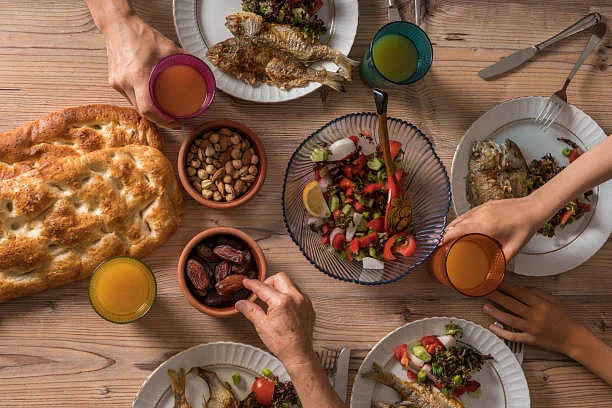
Ramadan In UAE: Smaller Iftars, More Men In Kitchens As Family Traditions Evolve


Today, the family prefers a much smaller gathering. "The meetings have become more intimate," the 24-year-old said. "Now, it is just our family."
Recommended For YouHer experience reflects one of several changes in how families are observing Ramadan. A new study describes greater involvement among younger men in iftar preparations, growing acceptance of food delivery and a shift towards smaller, more intimate gatherings.
Stay up to date with the latest news. Follow KT on WhatsApp Channels.
The 'Ramadan Is a Verb' study by Publicis Groupe Middle East & Turkey surveyed 1,200 people across the UAE and Saudi Arabia, with 600 respondents in each country. The research also involved digital diaries, in-depth interviews and 60 home visits.
More men preparing iftarOne of the findings concerns the changing roles of men in preparing Ramadan meals.
Nearly half (49 per cent) of men aged 18 to 26 surveyed said they were more involved in preparing iftar, while 41 per cent of men across the two countries said they were more confident in shopping for groceries. The latter figure represents a 17 per cent increase since 2022.
The research also found changing attitudes towards how iftar meals are prepared and served.
In the UAE, 48 per cent of respondents said they were dining out more than the previous year, compared with 40 per cent in Saudi Arabia.
Frozen food, prepared dishes and delivery, once considered less acceptable for traditional iftar gatherings, are also becoming more widely accepted, according to the qualitative research.
Smaller family gatheringsThe changes extend beyond food preparation. Researchers found that some large family gatherings, traditionally organised around social obligations, are giving way to smaller dinners, potluck iftars and restaurant gatherings.
The findings suggest that families are increasingly choosing how to spend time together during the holy month, rather than following a fixed pattern of hosting large gatherings.
Yasmeen Sarah, a resident of Al Nahda and a teacher said that her family used to host two or three iftars at home each Ramadan, with around 40 to 50 guests. "The gatherings have become smaller over the past two years. "For the next Ramadan, we plan to host two iftars with fewer guests. The expenses and work distribution is the reason," said Sarah adding that her siblings moved to their home country and son is presently studying in Canada.
With Ramadan falling in cooler weather, Sarah prefers to get together outdoors. "Last Ramadan, we hosted an iftar together with my brother and sister at a park. We make the most of cooler months outdoors and iftars parties are different and less of work as we use disposible cutleries," said Sarah.
Sarah's husband and son do the shopping, everyone helps with the cooking, and the men handle the cleaning. "At outdoor gatherings, the men also take care of the barbecue and roasting, make salads and rice, prepare juices and cut fruit," said Sarah.
At the same time, Ramadan continues to bring different communities together.
The report found that 85 percent of expatriates in the UAE had been invited to a Muslim friend's iftar.
Charity goes digitalThe study also looked at the use of technology in charitable giving during Ramadan.
The report says seven in 10 believed digital platforms had made charities more transparent, while 61 per cent said app-based donations had increased during the holy month.
"My husband prefers to donate by app now because it saves him a trip to kiosks, no traffic, it's fast, and you know where the money is going," said a UAE respondent.
Technology is also part of religious observance. The report puts Quran app use at 67 per cent and prayer app use at 53 per cent.
Among parents with young children, 56 per cent said they used apps and interactive tools to teach their children about prayer.
Tahaab Rais, chief strategy officer at Publicis Groupe Middle East & Turkey, said the findings reflected a shift in how individuals approached established Ramadan traditions.
"People haven't stopped following tradition. They have started authoring it," he said.
The research suggests that while the significance of Ramadan remains deeply rooted in faith and family, people are increasingly making personal choices about how they observe the holy month.

Legal Disclaimer:
MENAFN provides the
information “as is” without warranty of any kind. We do not accept any
responsibility or liability for the accuracy, content, images, videos,
licenses, completeness, legality, or reliability of the information
contained in this article. If you have any complaints or copyright issues
related to this article, kindly contact the provider above.


Comments
No comment