


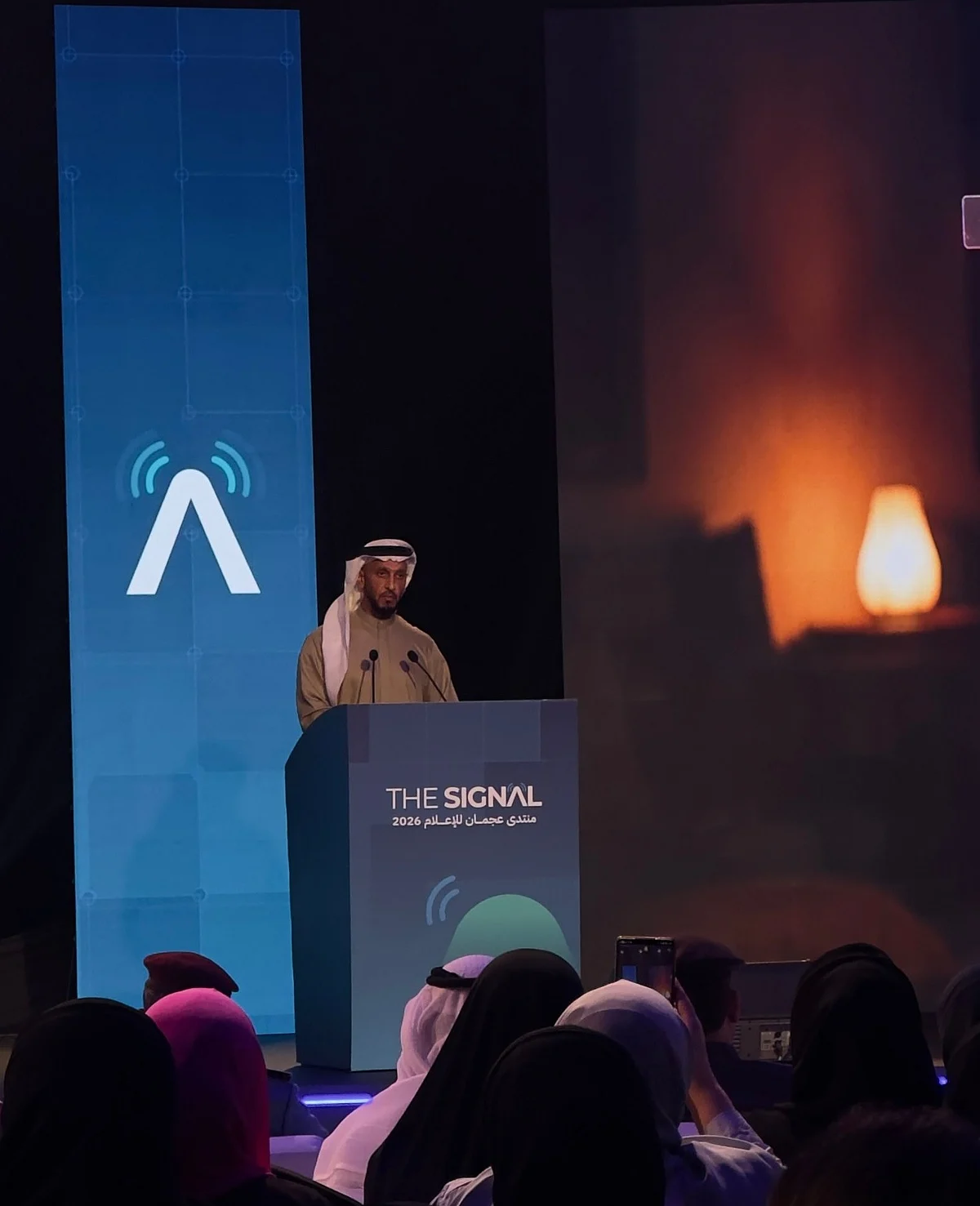
UAE Media Must Combat Misinformation With Speed, Reliability, Says NMA Chairman


- By: Azza Al Ali
Delays in providing accurate information during crises can allow misinformation to spread, with even a single fabricated image or anonymous message capable of causing public concern and influencing perceptions, a senior UAE media official warned on Wednesday.
Abdulla bin Mohammed bin Butti Al Hamed, Chairman of the National Media Authority, said media organisations must prioritise the timely delivery of verified information, warning that delays can create opportunities for misleading narratives that may be difficult to correct.
Recommended For YouSpeaking during a keynote address titled Who Owns the Signal? at the first edition of the Ajman Media Forum 2026, held under the theme The Signal, Al Hamed stressed that the responsibility of the media now extends beyond producing content and reaching audiences to protecting the truth and maintaining public confidence in information and its sources.
Stay up to date with the latest news. Follow KT on WhatsApp Channels.
He said the reliability of information, once largely a concern discussed among media professionals, has become an everyday issue affecting families, individuals and businesses.
From parents receiving alarming messages from unknown sources to people watching videos that appear genuine but are fabricated, he said the public increasingly faces uncertainty about what information to believe and which sources to trust.
Al Hamed warned that misinformation often takes advantage of gaps in official communication, particularly during emergencies and exceptional circumstances, stressing the importance of timely responses, transparency about unverified information and correcting mistakes when they occur.
Five priorities to strengthen media credibilityDuring his address, Al Hamed outlined five interconnected priorities to strengthen the media sector's ability to protect accurate information and maintain public trust.
1. The first focuses on ensuring reliable information is made available at the appropriate time through institutions that remain accessible to the public, communicate confirmed facts and explain which details are still being verified.
He warned that delays in communicating official information can create space for alternative narratives that may be difficult to correct once widely circulated.
2. The second priority involves maintaining communication with the public through multiple channels that can continue operating under different circumstances, including radio, broadcasting and digital platforms.
3. The third focuses on strengthening technological capabilities, particularly using artificial intelligence to detect fabricated content and verify information sources, while maintaining human oversight and professional judgement.
Al Hamed also called for greater cooperation between media organisations, technology companies, universities and research centres to develop more reliable verification tools, including technologies capable of understanding the Arabic language and its different contexts.
4. The fourth priority involves establishing a stable and attractive media environment supported by clear legislation, professional standards and protections that safeguard rights and attract qualified talent.
5. The fifth centres on investing in people and strengthening journalists' digital skills, particularly their ability to verify information before publication.
He emphasised that verification remains a human responsibility, even as artificial intelligence and digital technologies become more widely integrated into media operations.
Responsible media coverage during periods of tensionAl Hamed also highlighted the importance of responsible media coverage during periods of tension, stressing that information can influence public awareness and social cohesion beyond the moment it is published.
He said the UAE's media approach has focused on communicating facts accurately, explaining official positions responsibly and maintaining a measured tone that avoids emotional reactions or escalation.
This approach, he added, reflects the country's commitment to dialogue, diplomatic engagement and prioritising political solutions.
He also stressed that protecting national stability is a shared responsibility involving citizens, residents, institutions and the wider community, with public awareness playing an important role in strengthening preparedness.
Al Hamed said efforts to strengthen national media preparedness have included developing legislation and preparing qualified Emirati professionals to respond effectively to emerging challenges.
Looking ahead, he stressed that the future success of the media sector would depend not only on adopting advanced technologies but also on maintaining public trust, upholding professional standards and responding effectively to audiences' needs.
He expressed hope that discussions at the forum would lead to partnerships and initiatives capable of delivering tangible improvements to the media sector.
ALSO READ- 'Information chaos': Arab ministers discuss role of media in times of crisis GCC chief calls for unified Gulf media strategy to counter misinformation 'Build bridges, not walls': UAE official calls for effective media storytelling

Legal Disclaimer:
MENAFN provides the
information “as is” without warranty of any kind. We do not accept any
responsibility or liability for the accuracy, content, images, videos,
licenses, completeness, legality, or reliability of the information
contained in this article. If you have any complaints or copyright issues
related to this article, kindly contact the provider above.


Comments
No comment