


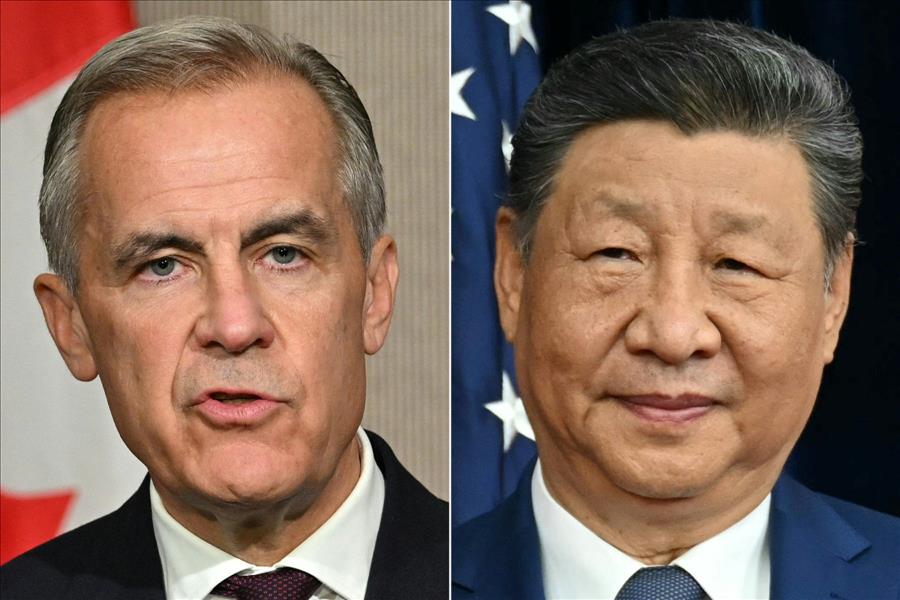
China Expand Tariff Relief As Carney Meets Xi Khaama Press


Carney's office said China will give tariff relief on about C$400 million in Canadian exports, mostly frozen pork and seafood such as shrimp, sea cucumber and Greenland halibut. In return, Canada will extend its tariff remissions on some Chinese steel and aluminium products for two more years. It will also add 32 items that Canadian producers can't supply in enough quantity. Ottawa's broader 25 per cent surtax on Chinese steel and aluminium stays in place.
The leaders also announced a Canadian trade mission to China in 2027, new Air Canada flights from Vancouver to Guangzhou, and scholarships for 850 Canadian students. Ottawa says it has now restored access for more than 90 per cent of the trade hit by Chinese tariffs, worth nearly C$7.5 billion.
Beijing's readout of the meeting focused on the political relationship. Xi called for stronger political trust, wider cooperation in trade, energy and the digital economy, and joint support for the United Nations and the multilateral trading system. The readout did not mention the United States.
Pork producers welcomed the deal. Kyle Larkin of the Canadian Meat Council told CBC it was“a great step in the right direction.” The Canadian Steel Producers Association said the steel items covered are niche and should have little effect on domestic mills.
Critics were less convinced. Conservative trade critic Stephanie Kusie wrote on X that Canadian values matter as much as trade. NDP MP Jenny Kwan urged Carney to raise foreign interference with Xi.
Washington's response was sharper. Before the meeting, Carney had said Canada could turn to Chinese automakers if trade talks with the U.S. failed. White House trade adviser Peter Navarro replied on X, asking whether Carney was“really threatening to play China off the U.S.” Carney has said this is not leverage. Ian Lee, a professor at Carleton University, told CTV News that Carney is“walking a very fine line” with Washington.
The thaw started in January, when Canada cut its tariff on Chinese electric vehicles from 100 per cent to 6.1 per cent in exchange for Chinese relief on canola and other farm goods. U.S. President Donald Trump then threatened 100 per cent tariffs on Canada if it made a deal with China. Canada-U.S. trade talks broke down in August.

Legal Disclaimer:
MENAFN provides the
information “as is” without warranty of any kind. We do not accept any
responsibility or liability for the accuracy, content, images, videos,
licenses, completeness, legality, or reliability of the information
contained in this article. If you have any complaints or copyright issues
related to this article, kindly contact the provider above.


Comments
No comment