


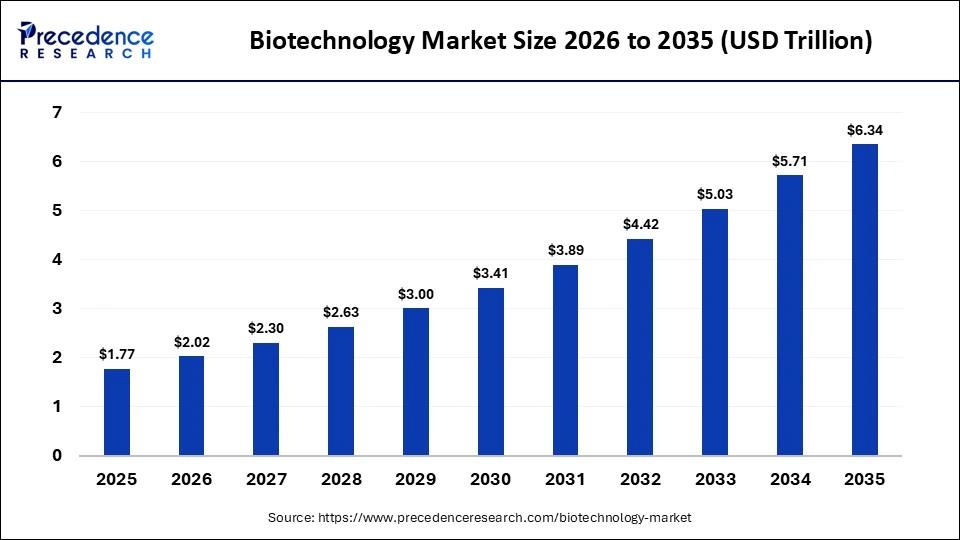
Biotechnology Market Companies 2027 Analysis: Amgen, Gilead, Regeneron, Vertex And Moderna Post Strong 2026 Results As Billion-Dollar Deals Reshape A Market Headed For USD 6.34 Trillion By 2035


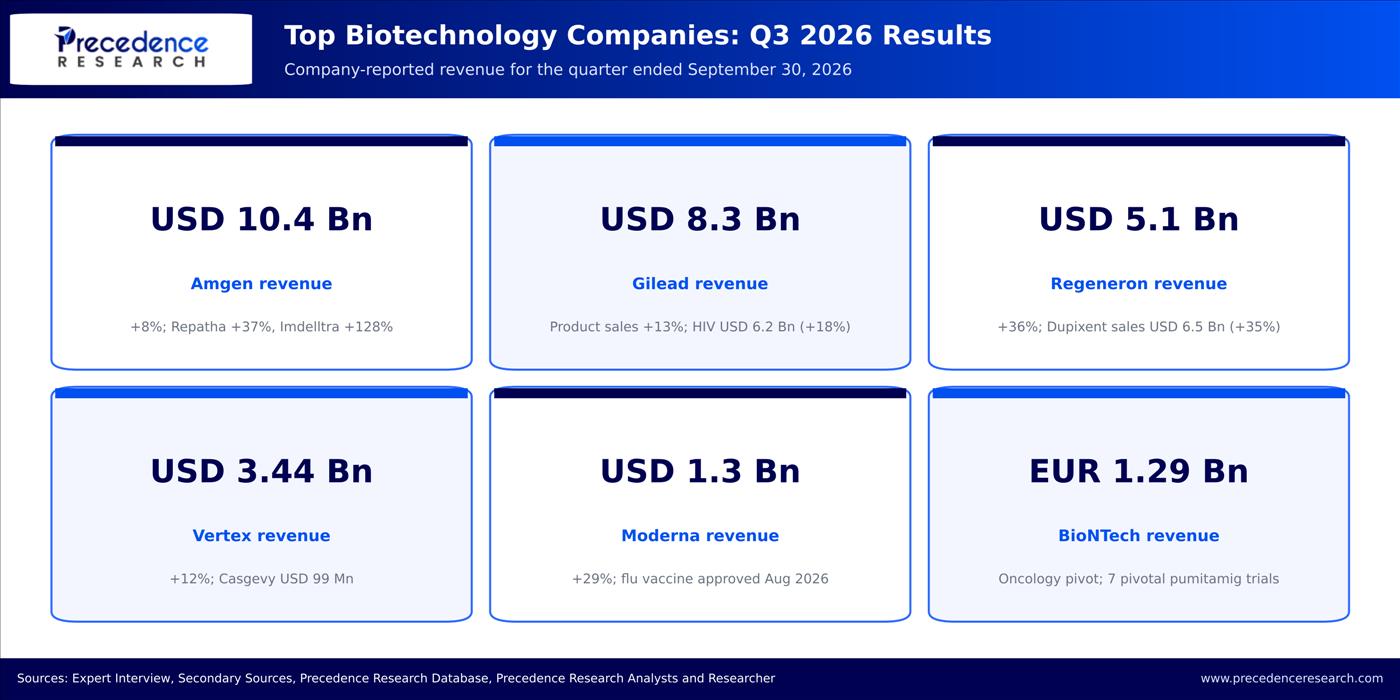
| Company | Q3 2026 Revenue | Key Growth Drivers | 2026 Outlook / Strategy |
| Amgen | USD 10.4B (+8%) | Repatha USD 1.09B (+37%), Evenity +39%, Tezspire +43%, Imdelltra +128% | Revenue guide USD 38.9–39.7B; MariTide in Phase 3 |
| Gilead Sciences | USD 8.3B; product sales +13% | HIV USD 6.2B (+18%); Biktarvy USD 4.1B; Trodelvy +42%; HIV prevention nearly doubled | Product sales guide raised to USD 31.0–31.3B; four 2026 acquisitions |
| Regeneron | USD 5.1B (+36%) | Dupixent sales USD 6.5B (+35%); EYLEA HD +62%; Libtayo +51% | Expanded Sanofi antibody collaboration (Oct 2026) |
| Vertex | USD 3.44B (+12%) | Cystic fibrosis franchise; Casgevy USD 99M; Journavx USD 58M | Revenue guide raised to USD 13.15–13.25B; Crinetics acquisition |
| Moderna | USD 1.3B (+29%) | mRNA flu vaccine approved Aug 2026 | Revenue growth guide raised to 15–25%; cancer vaccine filing planned |
| BioNTech | EUR 1.29B | Oncology pivot with BMS on pumitamig | Revenue guide EUR 1.7–1.9B; seven pivotal pumitamig trials |
Sources: Expert Interview, Secondary Sources, Precedence Research Database, Precedence Research Analysts and Researcher
Three patterns stand out. First, companies with newer growth products are offsetting losses on older ones: Amgen's Prolia and Xgeva fell sharply as biosimilars launched, while Repatha, Evenity, Tezspire and Imdelltra grew strongly. Second, immunology and HIV remain major profit engines, as Dupixent's 35% growth and Gilead's 18% HIV growth show. Third, new modalities are starting to earn revenue: Vertex's gene-edited Casgevy grew almost six-fold year on year, and Moderna has added an mRNA flu vaccine.
Sources: Expert Interview, Secondary Sources, Precedence Research Database, Precedence Research Analysts and Researcher
Company Investments and Deals
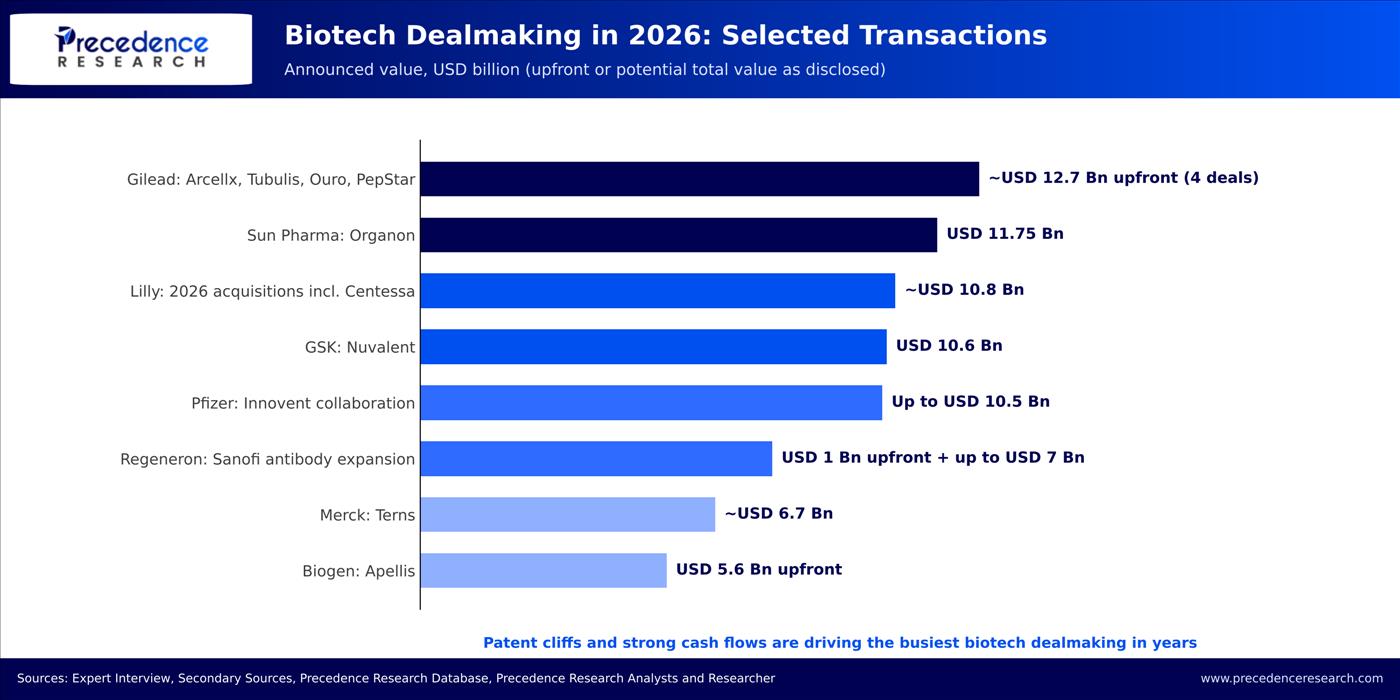
Figure 3: Biotech Dealmaking in 2026, Selected Transactions
Sources: Expert Interview, Secondary Sources, Precedence Research Database, Precedence Research Analysts and Researcher
| Acquirer / Partner | Target | Value | Focus |
| Gilead Sciences | Arcellx, Tubulis, Ouro Medicines, PepStar | About USD 12.7B upfront (IPR&D charges USD 12.4B) | Cell therapy, ADCs, immunology |
| Sun Pharma | Organon | USD 11.75B | Specialty and women's health portfolio |
| Eli Lilly | Centessa and other 2026 deals | About USD 10.8B in total | Neuroscience and other areas |
| GSK | Nuvalent | USD 10.6B | Lung cancer targeted therapy |
| Pfizer | Innovent (collaboration) | Up to USD 10.5B | ADCs and multi-specific antibodies |
| Regeneron | Sanofi (expanded collaboration) | USD 1B upfront; up to USD 7B in milestones | Long-acting antibodies |
| Merck & Co. | Terns Pharmaceuticals | About USD 6.7B | Chronic myeloid leukemia |
| Biogen | Apellis Pharmaceuticals | USD 5.6B upfront | Immunology and rare disease |
Sources: Expert Interview, Secondary Sources, Precedence Research Database, Precedence Research Analysts and Researcher
Large companies are spending heavily for three reasons: patent expiries on major products later this decade, strong cash flows, and the availability of late-stage assets in oncology, immunology and neuroscience. R&D budgets are also rising, with Amgen's third-quarter R&D up 11% and Regeneron guiding to more than USD 6 billion in annual R&D.
Sources: Expert Interview, Secondary Sources, Precedence Research Database, Precedence Research Analysts and Researcher
Key Company Developments
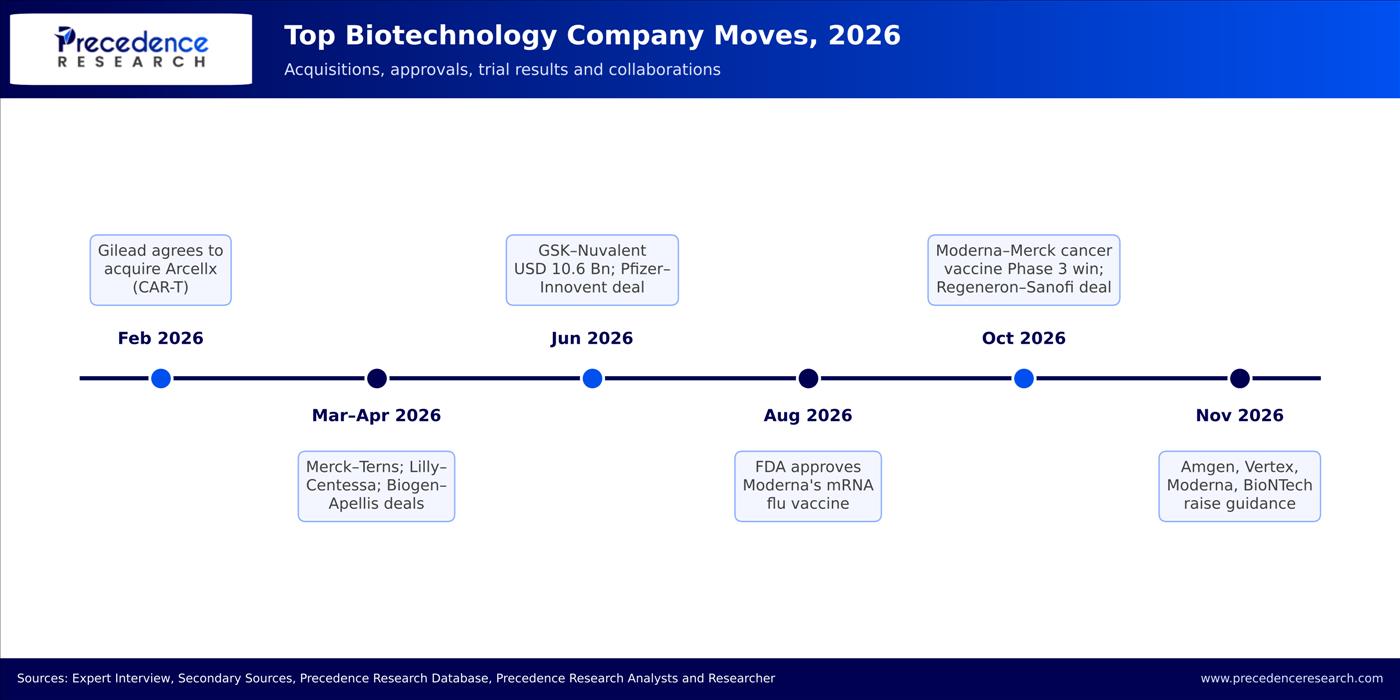
Figure 4: Top Biotechnology Company Moves, 2026
Sources: Expert Interview, Secondary Sources, Precedence Research Database, Precedence Research Analysts and Researcher
mRNA is moving into cancer and flu. Moderna and Merck reported positive Phase 3 results for intismeran autogene, an individualized mRNA cancer vaccine, which cut the risk of melanoma recurrence or death by 42% when added to Keytruda. Moderna's mRNA flu vaccine was approved by the FDA in August 2026.
What it indicates: mRNA platforms are diversifying beyond COVID-19, opening new revenue for Moderna, BioNTech and their partners.
Gene editing and cell therapy are scaling. Vertex's Casgevy earned USD 99 million in the third quarter, nearly six times the prior year, and Gilead agreed to acquire Arcellx to gain full control of its CAR-T therapy for multiple myeloma.
What it indicates: Advanced therapies are moving from launch to growth, rewarding companies with manufacturing and treatment-center networks.
Biotechs are pivoting to oncology. BioNTech is running seven pivotal trials of pumitamig, a PD-L1×VEGF-A bispecific developed with Bristol Myers Squibb, while its COVID-19 vaccine revenue declines.
What it indicates: Oncology remains the largest destination for biotech investment, and bispecifics are a key next-generation format.
Collaborations are expanding. Regeneron and Sanofi added next-generation long-acting antibodies to their collaboration in October 2026, building on Dupixent's success.
What it indicates: Proven partnerships are being extended to protect and grow immunology franchises.
Sources: Expert Interview, Secondary Sources, Precedence Research Database, Precedence Research Analysts and Researcher
Key Market Drivers
- Rising demand for biologics gene therapy Advances in genomics proteomics drug discovery Large pharma cash flows funding acquisitions ahead of patent expiries. Growth of personalized medicine Expansion of biotech in Asia Pacific, the fastest-growing region.
Sources: Expert Interview, Secondary Sources, Precedence Research Database, Precedence Research Analysts and Researcher
Major Challenges
- Biosimilar competition eroding older biologics, as seen with Prolia and Xgeva. High R&D costs and late-stage trial failures. Drug pricing pressure in the U.S. and Europe. Complex manufacturing for cell and gene therapies. Falling COVID-19 vaccine revenue for mRNA companies.
Sources: Expert Interview, Secondary Sources, Precedence Research Database, Precedence Research Analysts and Researcher
Emerging Opportunities
- Bioinformatics and AI tools, the fastest-growing application. Oncology bispecifics, ADCs and cancer vaccines. Long-acting antibodies in immunology and respiratory disease. Gene editing and CAR-T as treatment networks expand. Asia Pacific partnerships and licensing.
Sources: Expert Interview, Secondary Sources, Precedence Research Database, Precedence Research Analysts and Researcher
Company Ecosystem
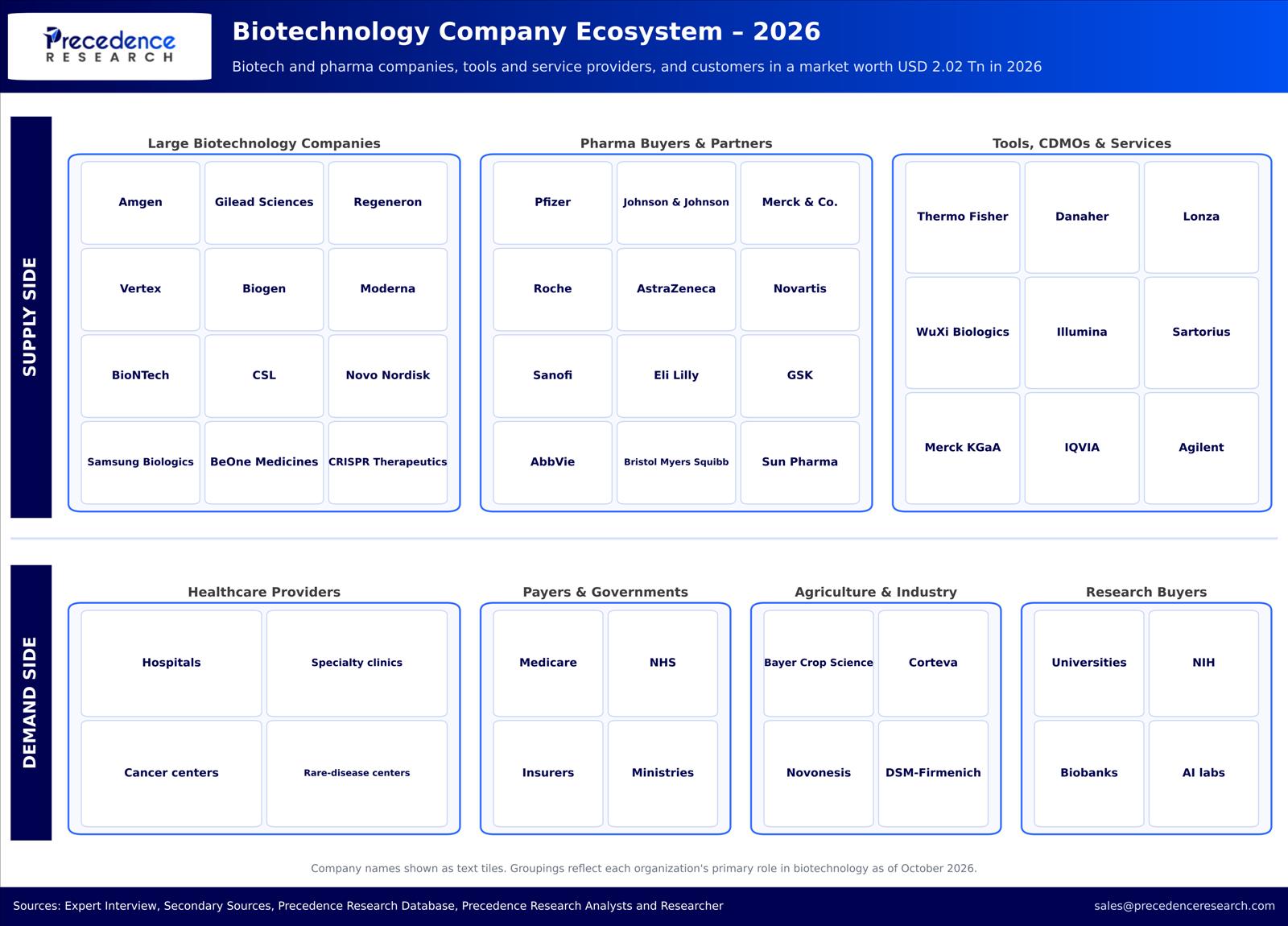
Figure 5: Biotechnology Company Ecosystem, 2026
Sources: Expert Interview, Secondary Sources, Precedence Research Database, Precedence Research Analysts and Researcher
The supply side includes large biotechnology companies, pharma buyers and partners, and the tools, CDMO and service providers that support research and manufacturing. The demand side includes healthcare providers, payers and governments, agriculture and industrial users, and research buyers such as universities and public agencies.
Customer and Buyer Intelligence
| Target Account Group | Decision-Makers | Purchase Signals | Commercial Opportunity |
| Pharma business development | Head of BD, R&D Head | Patent expiries, pipeline gaps | Acquisition and licensing targets |
| Biotech companies | CEO, CFO, CSO | Funding needs, late-stage data | Partnering and exit planning |
| CDMOs and tools providers | BD and Commercial Heads | New modalities, capacity needs | Manufacturing and research supply |
| Investors | Portfolio Managers | Results, deals, trial readouts | Valuation and pipeline benchmarking |
| Governments and payers | Health Policy and HTA Leads | New approvals, pricing reform | Access and reimbursement planning |
Sources: Expert Interview, Secondary Sources, Precedence Research Database, Precedence Research Analysts and Researcher
How Precedence Research Supports Decision-Making
Master Dataset provides company, segment and regional data for biotechnology and adjacent markets such as the biopharmaceutical U.S. biotechnology red biotechnologyPrecedence Quadrant ranks biotechnology companies on revenue growth, pipeline strength, deal activity and patent exposure, helping business development teams and investors screen leaders and targets.
Interactive Intelligence Dashboard tracks quarterly results, acquisitions, approvals and trial readouts, so strategy teams can respond to competitor moves quickly.
Quality & Manufacturing Intelligence maps biologics, cell and gene therapy and mRNA manufacturing capacity, supporting sourcing and partnering decisions.
Customized Research answers specific questions, such as acquisition target screening, deal valuation benchmarks or competitor pipeline analysis.
| Solution | What It Provides | How It Helps |
| Master Dataset | Company, segment and region data on biotechnology | Benchmarks companies and segments |
| Precedence Quadrant | Ranking on growth, pipeline and deals | Screens leaders and acquisition targets |
| Interactive Dashboard | Live tracking of results, deals and approvals | Times BD and investment moves |
| Quality & Manufacturing Intelligence | Biologics, cell/gene and mRNA capacity mapping | Supports manufacturing partner choices |
| Customized Research | Target screening and valuation studies | Answers decision-specific questions |
Sources: Expert Interview, Secondary Sources, Precedence Research Database, Precedence Research Analysts and Researcher
Why Continuously Updated Intelligence Matters
Biotech company positions change with every quarter's results, deal and trial readout. Monthly updates suit business development teams tracking deals and data. Quarterly updates match company earnings, such as Amgen, Gilead and Regeneron results. Six-monthly updates align with major medical meetings and regulatory decisions, and annual updates support investors reviewing market size and company share. Precedence Research offers all four update cycles.
Strategic Outlook
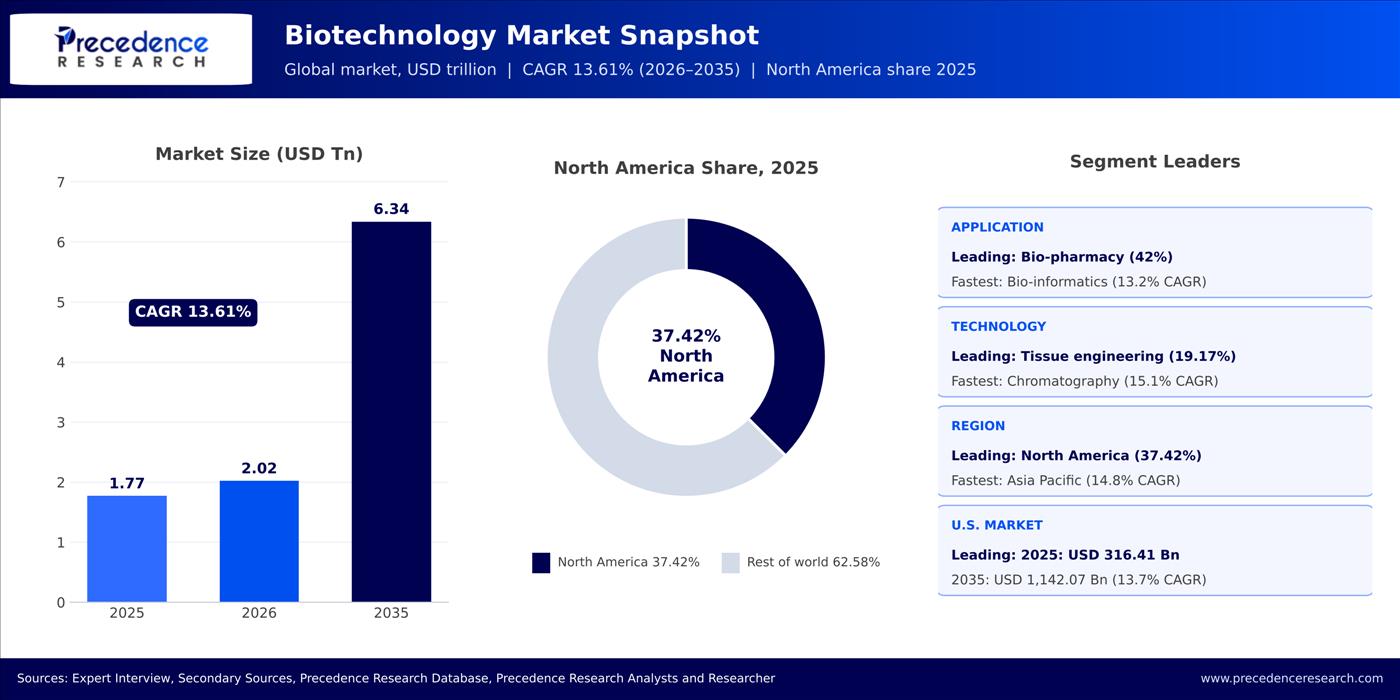
- CEOs and CXOs: the market triples to USD 6.34 trillion by 2035; leaders are using strong 2026 cash flows to buy growth before patent expiries. Strategy and business development teams: 2026 deals of USD 5–13 billion set valuation benchmarks for late-stage oncology, immunology and cell therapy assets. R&D leaders: bispecifics, ADCs, mRNA cancer vaccines, gene editing and long-acting antibodies are the key growth modalities. Procurement and manufacturing teams: secure capacity for complex biologics and advanced therapies early. Investors: biotechs with late-stage assets in oncology and immunology remain prime acquisition targets. Tools and service suppliers: rising R&D budgets and the fastest growth in bioinformatics support demand.
Sources: Expert Interview, Secondary Sources, Precedence Research Database, Precedence Research Analysts and Researcher
Call to Action
To compare the top biotechnology companies and track their investments and pipelines, explore the full report or speak with a Precedence Research analyst.
- Report: Request a sample: Schedule a meeting:
Fill out the form for relevant samples, case studies, and examples. ...
Related Reports
U.S. Biotechnology Market: Red Biotechnology Market: Biotechnology Reagents and Kits Market: Biotechnology and Pharmaceutical Services Outsourcing Market: Biotechnology Instruments Market: Biopharmaceutical Market: Biologics Market: Gene Therapy Market: Bioinformatics Market: Drug Discovery Market: Personalized Medicine Market: Genomics Market: Proteomics Market: Microfluidics Market: Clinical Trials Market: Oncology Market: Immunology Market: Neurology Market: Biopesticides Market: Artificial Intelligence Market:About Precedence Research
Precedence Research is a global market intelligence and consulting company. It provides market sizing and forecasts, competitive and company analysis, customer and buyer intelligence and customized research across healthcare, biotechnology, pharmaceuticals, ICT, energy, chemicals and materials and other industries, helping executives and investors make evidence-based decisions.
Our Partners
- Towards Healthcare: Towards Packaging: Towards Chemical & Materials:
Connect With Us
- USA: +1 804 441 9344 APAC: +61 485 981 310 or +91 87933 22019 Singapore: +65 3105 1271 Europe: +44 7383 092 044 Email:...
Social Media
- LinkedIn: Facebook: X: Medium:


Legal Disclaimer:
MENAFN provides the
information “as is” without warranty of any kind. We do not accept any
responsibility or liability for the accuracy, content, images, videos,
licenses, completeness, legality, or reliability of the information
contained in this article. If you have any complaints or copyright issues
related to this article, kindly contact the provider above.


Comments
No comment