


Yoga for Brain Health: Can Mindful Movement Support People Living with Epilepsy?


(MENAFN- Life and Style News) .
By; Himalayan Siddhaa Akshar – Yoga Guru, Spiritual Leader, Author, Columnist, Founder: Akshar Yoga Kendraa
The brain is a complicated network of billions of nerve cells that communicate with each other through electrical and chemical signals. In epilepsy, this activity can get out of balance, leading to seizures of various types and severity. Good care starts with the right diagnosis, the right anti-seizure medication and ongoing neurologic input.
In addition to medical treatment, habits such as getting enough sleep, exercising safely, and reducing stress can help improve overall health. Yoga can be a supportive practice used in combination with gentle movement, breathing exercises and meditation but it is not a cure or substitute for epilepsy treatment.
The brain-body connection and conscious movement
Gentle yoga is moving the body respectfully, holding the body in positions that help to maintain its balance, engaging muscles in a gentle way and being aware of the body in all positions. These activities stimulate the sensory and motor pathways of the nervous system. Regular activity promotes cardiovascular fitness, mobility and general health. Moving with awareness can also help the practitioner notice physical tension and develop a more steady relationship with their bodies.
For a person with epilepsy, the choice of movement is important. A program should be tailored to seizure type, frequency, balance, mobility and medical advice. Supported standing postures, gentle seated movements and simple floor stretches may be more suitable than balancing or positions where you might fall, if you suddenly lose awareness.
Bhramari Pranayama: Sound and Breath to Soothe the Mind
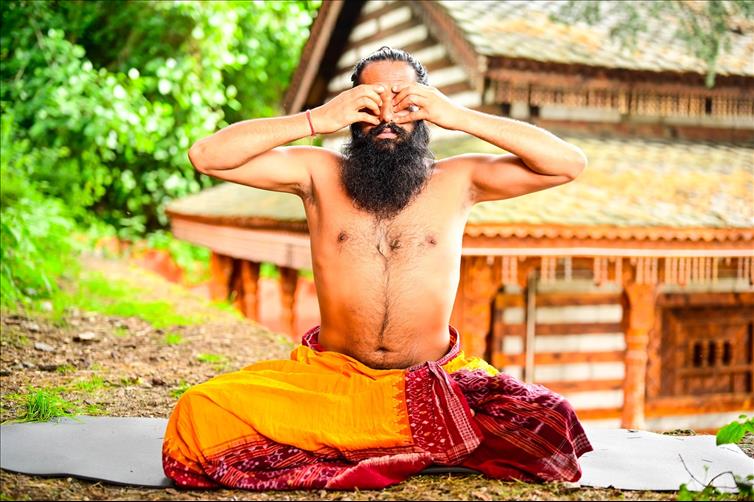
Bhramari Pranayama: Humming-bee breathing, where the breath is exhaled with a gentle humming sound. It promotes slow, controlled breathing and focuses attention on the breath and vibration sensation. Slow breathing can help with relaxation and decrease perceived stress, which is important because stress and disrupted sleep can be seizure triggers for some people.
It should be done gently, without any strain or breath-holding and only if the clinician treating the patient thinks it is appropriate. Don’t breathe hard and don’t hold your breath for long periods of time unless specifically approved by a neurologist.
Meditation: Shant Dhyan and Swas Dhyan
Meditation can be practiced to train attention and develop awareness. Shant Dhyan develops stillness and calm, and enables one to observe the contents of the mind without becoming entangled in them. Swas Dhyan develops awareness of the natural flow of the breath, and brings attention to the present moment.
In the case of epilepsy, the use of yoga and mindfulness may help with psychological well-being, stress management and quality of life. However, more research is needed to determine the value of these practices in terms of seizure control.
Safety and Medical Care First
Anyone with epilepsy should discuss a yoga program with their neurologist and work with an instructor familiar with seizure safety. Practice in a clear, uncluttered space, avoid heights, water and unsupported positions that increase injury risk, and have someone nearby who knows what to do if a seizure occurs. Keep on the medication as prescribed, do not change the treatment because of yoga.
Yoga’s value is to support the person, not to substitute for clinical care. Mindful movement, gentle breathing, meditation and individual guidance may nurture physical confidence, calm and everyday wellbeing when living with epilepsy.

Legal Disclaimer:
MENAFN provides the
information “as is” without warranty of any kind. We do not accept any
responsibility or liability for the accuracy, content, images, videos,
licenses, completeness, legality, or reliability of the information
contained in this article. If you have any complaints or copyright issues
related to this article, kindly contact the provider above.


Comments
No comment