


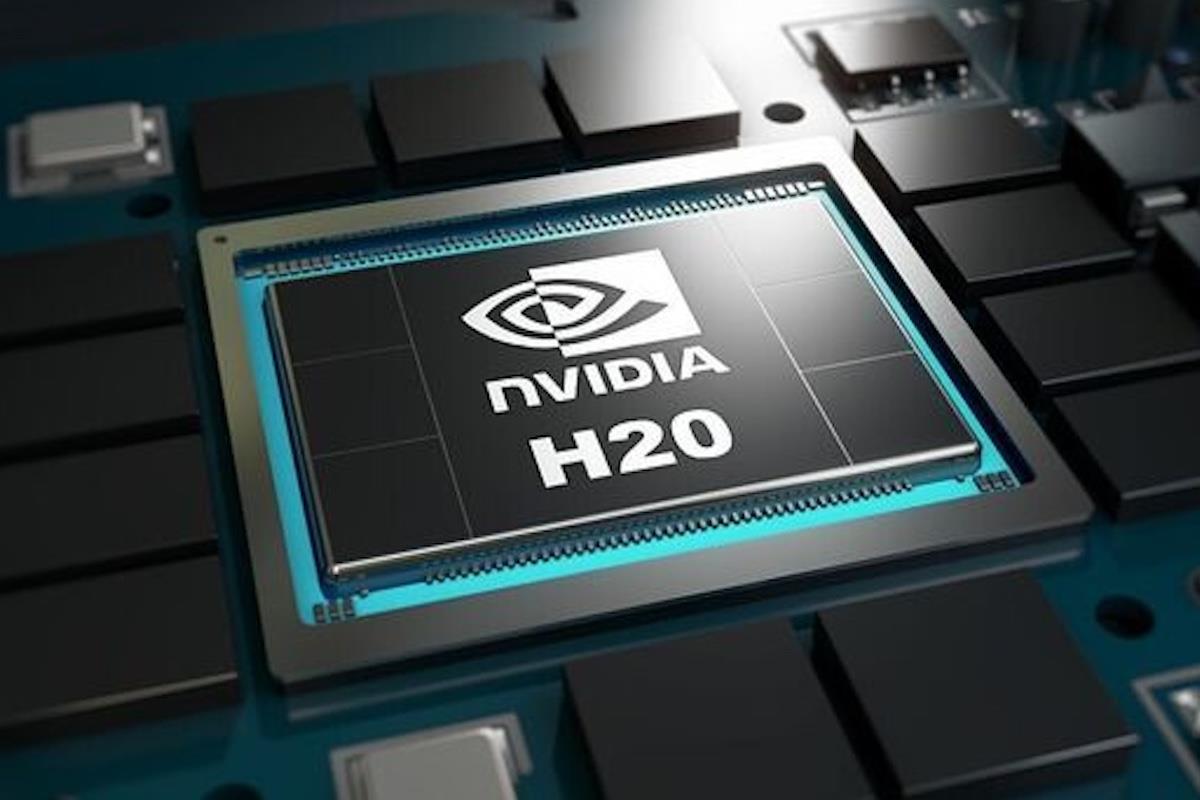
China Hoards Nvidia's AI Chips As US Curbs Remote Access


In China, many fear that Nvidia founder Jensen Huang's affair will spur Washington to crack down on chip smuggling and pass a bill regulating their remote access to restricted chips, Reuters reported, citing people familiar with the situation. Their responses include:
-
Chinese AI firms are accelerating their plans to rent Nvidia-powered computing capacity overseas, which remains legal despite US bans on chip sales.
A leading cloud provider is weighing locking in offshore AI computing capacity, while smaller AI labs are approaching Southeast Asian rental firms.
Gray-market middlemen are also stockpiling restricted Nvidia chips.
Nvidia, for its part, has already tightened its own rules. It has reportedly cut its list of approved Asian buyers by more than half and capped the share of Chinese clients at its cloud partners at 49%.
Southeast Asian firms seeking to become Nvidia Cloud Partners, a status that brings preferred access to its chips, must now enroll in a system that tracks their processors' physical location.
Chinese firms are not overreacting, as the clampdown has come faster than expected. On Monday, the US Commerce Department's Bureau of Industry and Security (BIS) issued an interim final rule to prevent companies from circumventing its chip restrictions through remote computing arrangements at data centers in third countries.
Under the rule, companies must obtain a license to ship advanced AI chips to overseas data centers that provide significant computing power to companies headquartered in China or Macau. New license requirements apply to Indonesia, Malaysia, Singapore, Thailand and Brazil, while data centers already serving Chinese firms must obtain a license within 90 days.
Washington is also lining up its allies. On November 15, the United States and nine partners, including Japan, South Korea, India, the United Kingdom and Singapore, signed a declaration in San Francisco pledging to cooperate to enforce policies that protect sensitive technologies and reduce excessive dependencies through trusted supply chains.
“Economic security is fundamental to national security, and no nation can be secure without securing its critical systems and technologies from those that would do it harm,” states the declaration, signed at a founders' retreat of Pax Silica, a US-led initiative convened by Under Secretary of State for Economic Affairs Jacob Helberg.
“The safeguarding of these sensitive technologies and critical infrastructure is a shared endeavor,” it adds.“The security of each participant is strengthened by the vigilance of all.”

Legal Disclaimer:
MENAFN provides the
information “as is” without warranty of any kind. We do not accept any
responsibility or liability for the accuracy, content, images, videos,
licenses, completeness, legality, or reliability of the information
contained in this article. If you have any complaints or copyright issues
related to this article, kindly contact the provider above.


Comments
No comment