


Paul Wong: Art Is Magic: Reimagining The Boundaries Between Art, Community, And Parliament


For more than five decades, Canadian artist Paul Wong has challenged conventions, explored emerging media, and created new ways of seeing and experiencing the world. A pioneering figure in video and performance art, Wong has built a multidisciplinary practice spanning photography, film, neon, sculpture, and installation, united by a lasting fascination with light, storytelling, and experimentation. His commitment to artistic freedom extends beyond his own work to a lifelong dedication to supporting fellow artists, building creative spaces, and strengthening cultural communities. Now, as Canada's inaugural Parliamentary Visual Art Laureate, Wong embarks on a new chapter with a two-year appointment that offers him the freedom to define an entirely new role. In this conversation with USA ART NEWS, he reflects on the possibilities of this historic opportunity, the relationship between art and public life, the importance of cultural representation, and why creativity must always remain rooted in curiosity, human connection, and imagination.
A Blank Roll of Film: A New Chapter in Canadian ArtYou have described becoming Canada's first Parliamentary Visual Art Laureate as being handed a“blank roll of film” full of possibilities. What stories or projects are you most eager to capture in this new role?
This is the inaugural Parliamentary Visual Art Laureate position. It is a two-year appointment with no prescribed agenda. It is like being handed a camera with a blank roll of film. It is up to me to decide what to frame, point at, and shoot. I have been selected to break new ground and explore what this role can or cannot be. Canada is very progressive to have created this position.
Throughout your 50-year career, your work has consistently engaged with real people and communities. How do you hope to use your position within Parliament to bring the worlds of art and politics closer together?
This is a unique opportunity to engage directly with parliamentarians who make decisions about funding for arts and culture in this country. I hope to introduce them to the diversity and richness of art and artists across Canada. The role of artists is to be curious, to ask questions, and to observe and share our unique perspectives on the world.
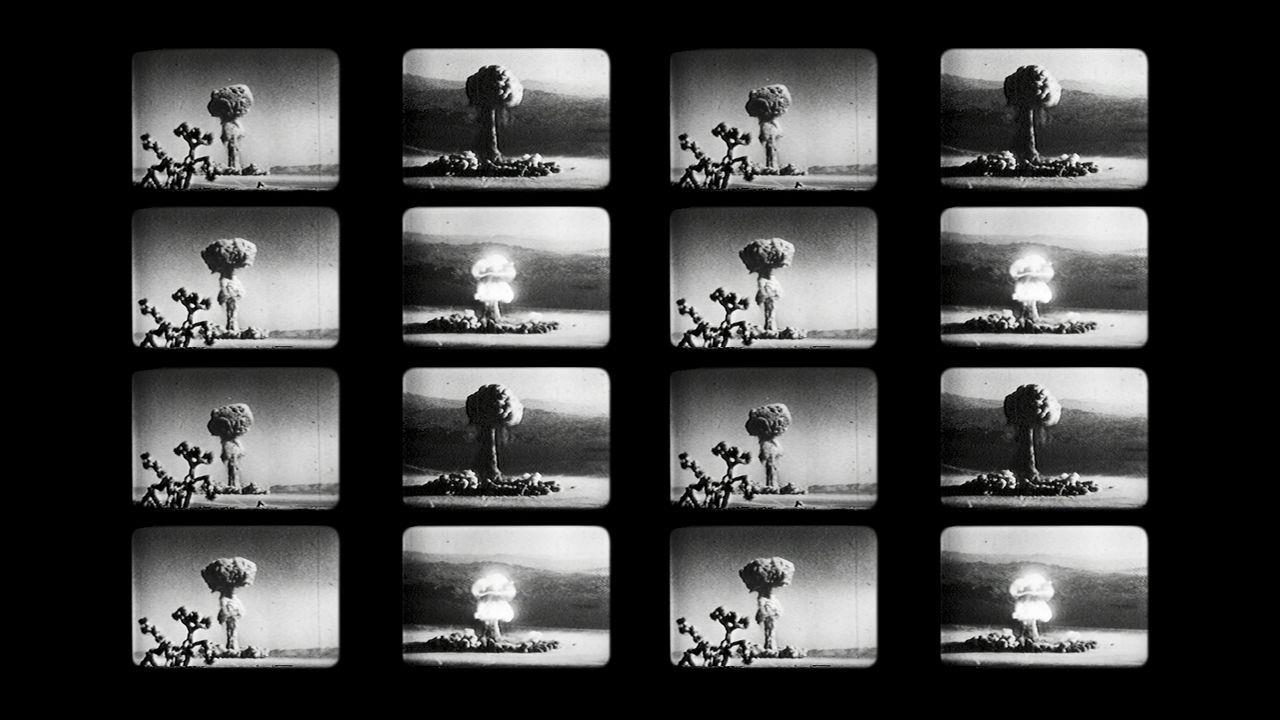
Earthworks in Harmony, 1974
(Photo courtesy Paul Wong)
You began working at a time when video and performance art were emerging, experimental, and often rebellious. Looking back, what creative impulse has remained with you throughout the decades?
When I started, I more or less stumbled into the experimental world of the emerging video and performance art scenes. These are interdisciplinary forms that bring together photography, lighting, sound, actors, poets, and music. I have explored different combinations of these elements and had the opportunity to work with a wide range of artists.
The spark remains. My imagination continues to be driven by curiosity, looking elsewhere, behind the stories, and beyond what is immediately visible, in order to create new ways of seeing and presenting ideas. Art is magic.
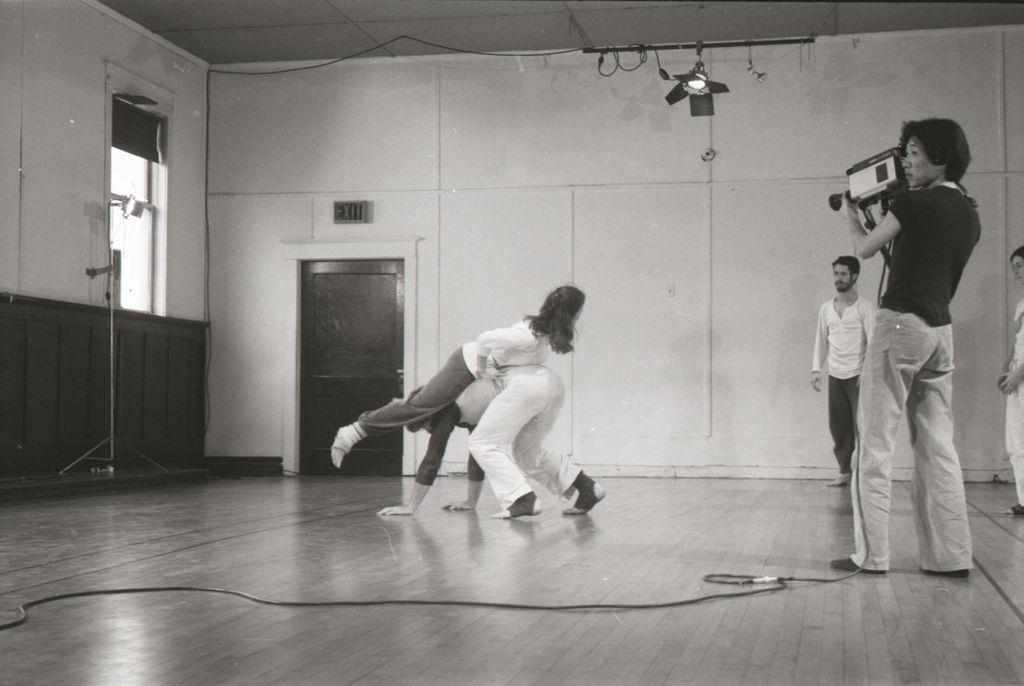
Paul Wong recording Contact Improvisation with Steve Paxton, Western Front, 1977
(Photo courtesy Paul Wong)
Your work spans film, photography, neon, sculpture, and installation. How do you decide which medium is best suited to a particular idea or story? Does working with light allow you to communicate something that one medium alone cannot?
The context in which an artwork is presented, and the people to whom it is presented, can often determine the medium and form it takes. During the first half of my career, I focused almost entirely on exploring th elements of video, cathode-ray screens, and projections.
The common denominator, whether I am working with neon, photography, film, or installation, is light. I draw with light.
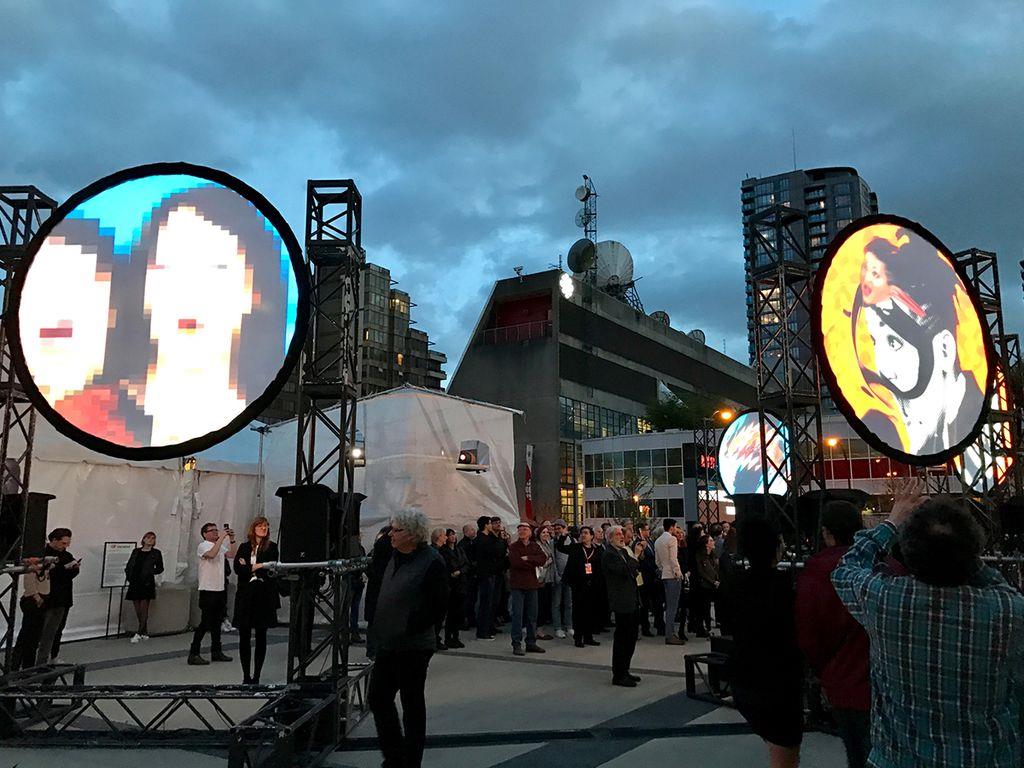
5 Octave Range, Vancouver Opera Festival 2017
(Photo courtesy Paul Wong)
Beyond your own artistic practice, you have spent decades supporting other artists, creating spaces for experimental work, and advocating for the cultural community. What does giving back mean to you, and why has supporting other artists been such an important part of your career?
When I first started out, there were few opportunities, little recognition or respect, and certainly not enough space for the kind of gritty video and performance art that was not made for conventional theatres. My video work was neither traditional cinema in form or content nor suited to broadcast television.
We had no other choice but to work collectively, creating our own production spaces and distribution networks while developing new audiences. In Canada, we have had strong support for artist-run centres and innovative initiatives that were far ahead of what was being presented in art museums or taught in academies.
My career has balanced being an artist with being a facilitator, producer, community advocate, and curator. Supporting, engaging with, and showcasing the work of others has always been important to me as part of building a community.
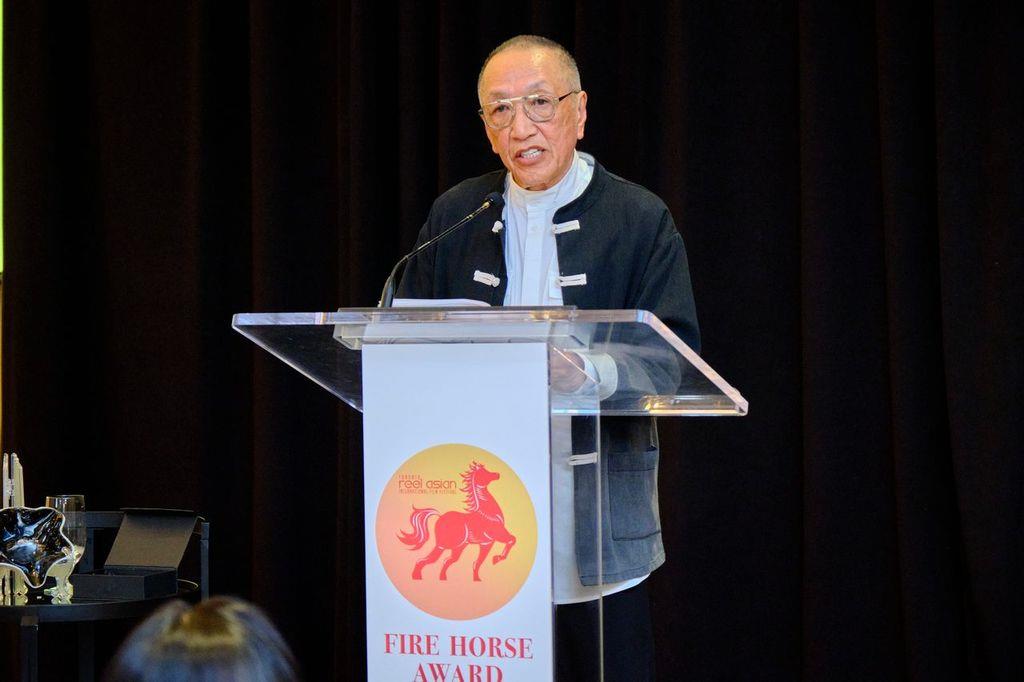
Paul Wong at Reel Asian 2024 Fire Horse Awards, Toronto
Photo: Mike Tijoe
You have witnessed enormous changes in technology, from analogue video to today's digitally saturated world. How can artists embrace new technologies without losing the human stories and ideas at the heart of their work?
I have mostly worked with lower-end technology. I have never been particularly interested in work that is driven by technology alone. There has to be content and context.
Stories and images should go hand in hand with technology. They should speak through it, push its possibilities, and use it to tell stories or shape images that can unfold in new and different ways.
Your personal history is closely connected to Canada's multicultural identity. How have your own experiences with language, heritage, and belonging influenced your approach to creating art that communicates across cultural boundaries?
My parents were immigrants, and I am Canadian-born Chinese. Chinese was my first language until I started attending public school. I fully assimilated, and now I can speak only broken Chinese and cannot read or write it.
I make art and create new visual and media art languages that I hope can communicate universally with diverse audiences.
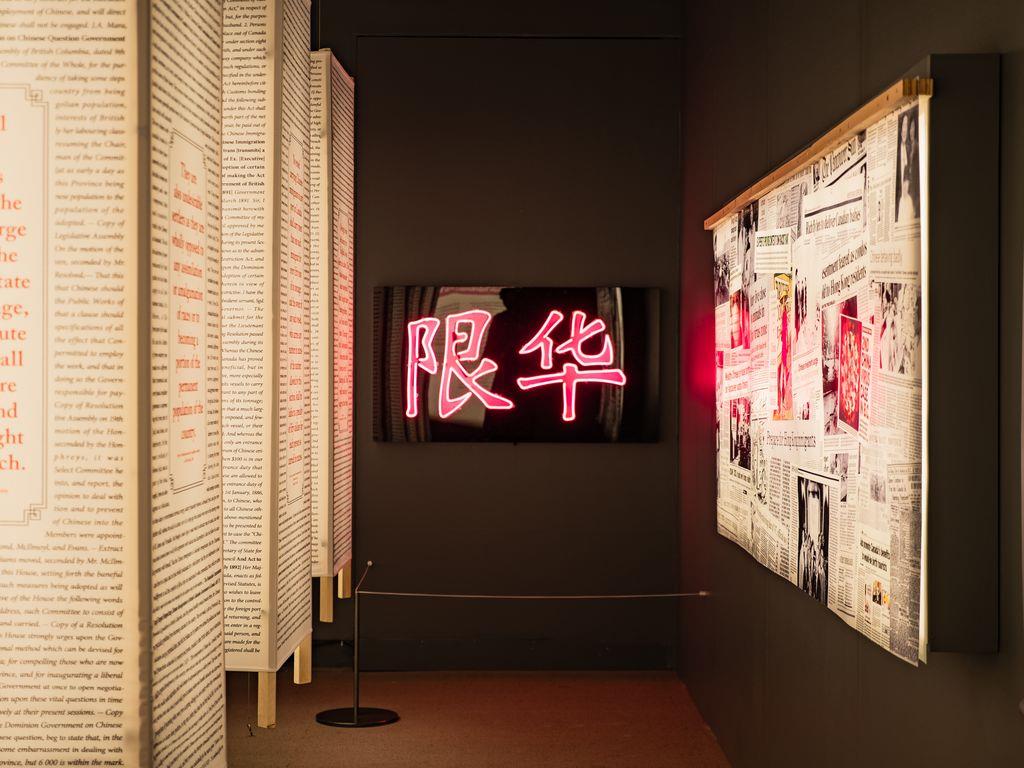
Chinese Only neon at Vancouver Museum, 2021
(Photo courtesy Paul Wong)
Mentorship, Legacy, and the Next Generation
Throughout your career, you have received recognition and opportunities while also helping emerging artists find their footing. What responsibility do you feel towards the next generation, and what advice would you offer artists who are just beginning their journeys?
I do not have formal art training. When I was a young, emerging artist, older artists embraced me. Some were only a few years older than I was, but they had much more experience. I was mentored by community, given respect, and offered opportunities. I have always been aware of that, and I have always tried to do the same for others.
One thing I tell young artists is that art does not make itself. You have to do the hard and challenging work and allow your ideas to develop. You cannot work in isolation. You need to engage, learn, spend time with others, collaborate, and take an interest in other art and artists.
Looking Ahead: Creativity Without BoundariesAs you begin this two-year appointment, what is the most important idea or possibility you hope to bring to life through your role in Parliament?
This is a powerful opportunity to further elevate the visual arts in this country. We have extraordinary and exciting artists whom people need to know about. Do not be afraid of creativity and imagination, or of seeing beyond what is immediately in front of you.
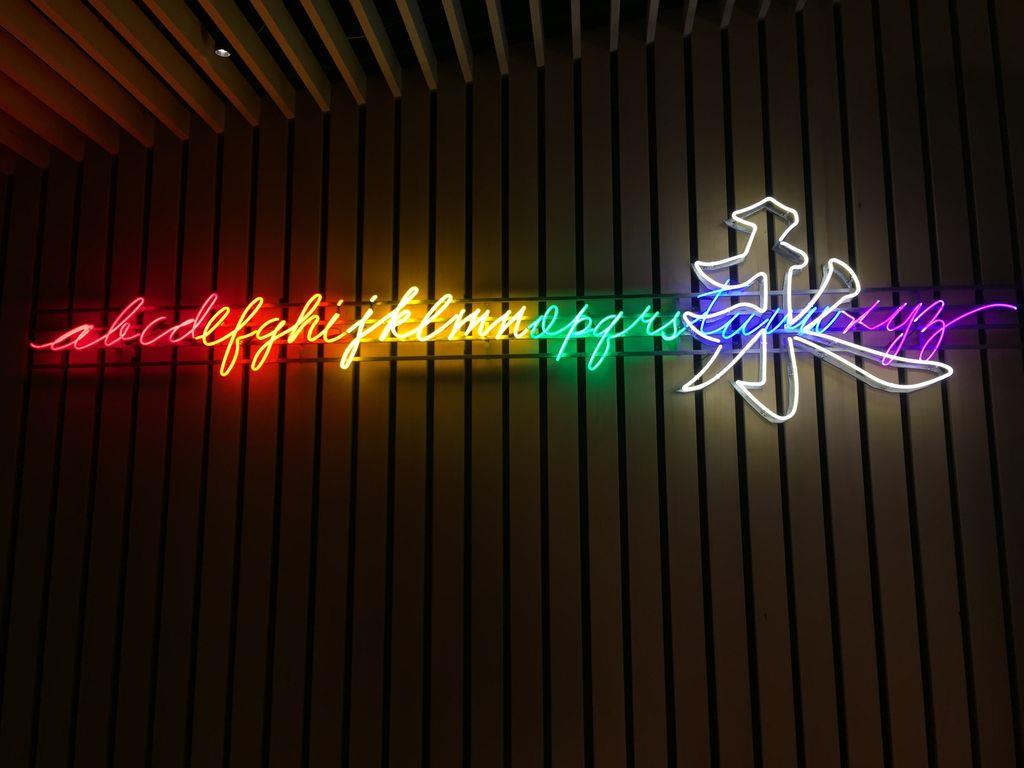
No Thing is Forever, 2016 Audain Art Museum, Whistler, BC
(Photo courtesy Paul Wong)
For Paul Wong, art has never been confined to a single medium, institution, or way of thinking. His practice has evolved through experimentation, collaboration, and a willingness to venture beyond established boundaries, while his commitment to artist-led spaces and creative communities has helped extend those possibilities to others. Across five decades, his work has demonstrated that new ways of seeing often emerge when artists are free to question conventions and explore unfamiliar territory.
His appointment as Canada's inaugural Parliamentary Visual Art Laureate brings that spirit of exploration into a new public setting. With no prescribed agenda, the role offers an opportunity to discover how visual art can contribute to conversations about culture, identity, and the society Canadians share. What will emerge from this blank roll of film remains to be seen. But Wong's perspective is clear: creativity flourishes through curiosity, technology finds its meaning in the stories it helps tell, and art can open doors to ideas and experiences that might otherwise remain.

Legal Disclaimer:
MENAFN provides the
information “as is” without warranty of any kind. We do not accept any
responsibility or liability for the accuracy, content, images, videos,
licenses, completeness, legality, or reliability of the information
contained in this article. If you have any complaints or copyright issues
related to this article, kindly contact the provider above.


Comments
No comment