


Dutch Minority Government Hangs In The Balance Over Divisive Tax Plan


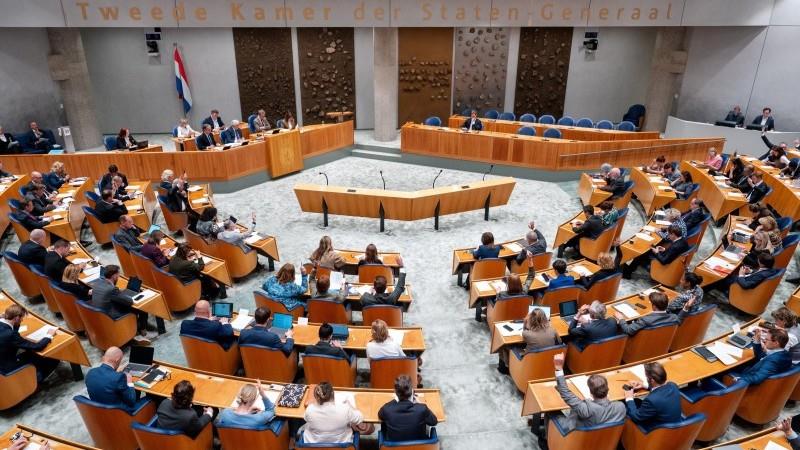
The Dutch government is hanging by a thread after the House of Representatives approved a tax plan including an amendment deemed unacceptable by the Conservative Liberals (VVD), one of the three governing parties. The tax plan was supported by the Liberal Democrats (D66), Christian Democrats (CDA) and opposition parties including the Progressives (Pro). This gave the plan the smallest possible majority, with 76 votes in favour and 74 against.
The economic impact of the approved tax plan is very small compared to the government's proposal. The amendment shifts roughly €1bn of the tax burden from labour and lower- and middle-income households towards wealthier taxpayers. Its direct macroeconomic effect is limited. While the government's original budget proposals were more ambitious, several of the proposed spending cuts and structural reforms had already been watered down in previous negotiations with the opposition.
The bigger impact would come if the government were to fall. A government collapse would likely delay progress on proposals to improve the competitiveness of the Dutch economy. With significant bottlenecks currently curbing investment and broader economic activity, renewed political paralysis would delay progress on boosting potential GDP growth. While the economy is still performing very well, this can be deceiving for the longer term as we have argued in this previous note.
From a public finance perspective, the impact of the current political uncertainty is relatively minor. Even if the government were to fall over the budget, the situation remains night and day different from other European countries experiencing difficulties with budgets, such as Belgium and France. Its political instability is principally a risk to policy delivery rather than fiscal credibility. While the political impasse doesn't help, markets are unlikely to be fazed, with government debt still well below 50% and the budget deficit expected to come in at 2.2% of GDP next year.
If the government does fall, the question is whether this will lead to new elections. Having had three general elections in the past five years, it's likely that few Dutch citizens are excited about the prospect of another one anytime soon. A parliamentary motion has been accepted to first see if there is a possibility of a new combination of parties to form a government based on current seats in the House.
If the government doesn't fall, the road to a fully implemented budget remains a challenging one. The Senate still has to approve the tax plan and both the House and Senate will still have to approve the budgets for the departments of government. If the VVD intends to vote against the tax plan in the Senate too, it would require additional opposition parties (compared to the House) to get the tax plan approved.
So uncertainty could still linger for a while. Even in a low-debt country like the Netherlands, passing a budget is now a major challenge, with political fragmentation as the main constraint.

Legal Disclaimer:
MENAFN provides the
information “as is” without warranty of any kind. We do not accept any
responsibility or liability for the accuracy, content, images, videos,
licenses, completeness, legality, or reliability of the information
contained in this article. If you have any complaints or copyright issues
related to this article, kindly contact the provider above.


Comments
No comment