


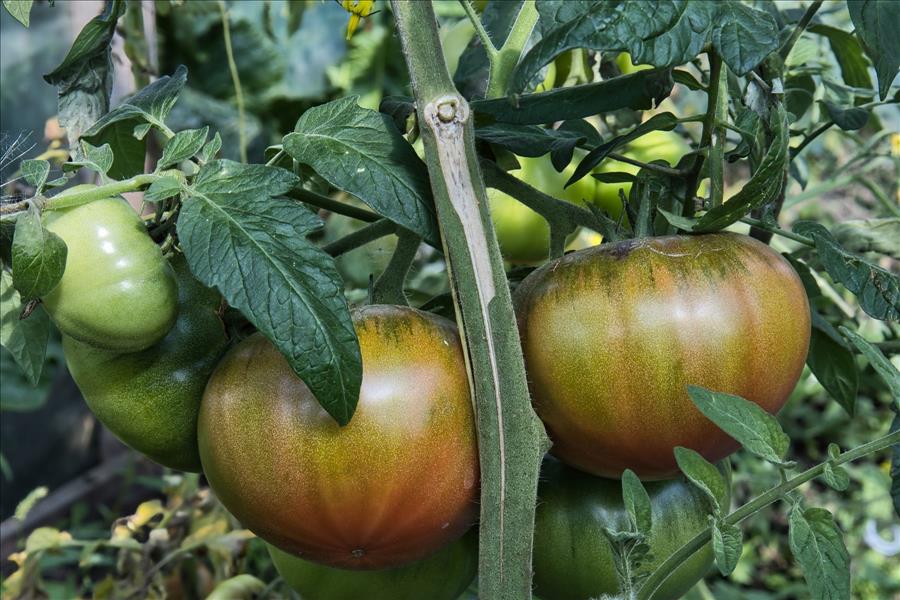
What Happens If You Leave Tomatoes On The Vine After The First Frost?


The weather forecast called for a light frost, but you decided to leave those last green tomatoes on the vine for another day. By morning, the leaves are drooping, the stems look darker, and you're wondering whether you've just lost the final harvest of the season. Tomatoes are notoriously sensitive to cold weather, but the damage isn't always obvious immediately after temperatures drop. Some fruit may still be usable, while other tomatoes can deteriorate rapidly or become unsuitable for preservation. Knowing what happens after the first frost can help you decide what to save, what to discard, and how to avoid wasting next year's crop.
A Light Frost Can Damage Tomato Plants Surprisingly QuicklyTomatoes thrive in warm conditions and aren't equipped to withstand freezing temperatures. When frost forms, ice can damage plant cells, leaving foliage wilted, darkened, or water-soaked as temperatures rise. Penn State Extension explains that frost can kill tomato plants, effectively ending their growing season. A very light frost may damage exposed leaves while leaving some protected portions of the plant intact, depending on the temperature and duration. However, gardeners shouldn't assume a plant will resume normal growth simply because a few green leaves remain.
The Tomatoes May Look Fine Before Damage AppearsOne of the most misleading aspects of frost damage is that affected fruit doesn't always deteriorate immediately. Tomatoes may initially appear firm and healthy, even when cold temperatures have damaged their internal tissues. Cold injury can produce water-soaked fruit, softening, and rot, with some symptoms appearing five to seven days after exposure. This delay means a tomato that looks usable the morning after a frost may develop problems several days later. Inspecting fruit carefully and avoiding long-term storage of questionable tomatoes can reduce the risk of discovering an entire basket of spoiled produce.
Cold Weather Can Interrupt the Ripening ProcessMany gardeners leave green tomatoes attached to the plant because they hope a few more days outdoors will improve their flavor. Unfortunately, prolonged cold exposure can interfere with the normal ripening process even before temperatures reach freezing. Several days below 50 degrees Fahrenheit can cause chilling injury and increase the likelihood of rot. Tomatoes exposed to those conditions may develop poor flavor, uneven coloring, or difficulty ripening normally. Waiting for a perfect red tomato during increasingly cold November nights can therefore reduce the quality of the harvest rather than improve it.
Green Tomatoes Can Ripen Indoors if They're Mature EnoughThe good news is that many green tomatoes don't need to remain attached to the plant to finish ripening. Mature-green tomatoes can ripen satisfactorily after harvest, particularly when they have reached full size and begun showing subtle color changes. Tomatoes that are extremely immature, small, and uniformly dark green are much less likely to develop good flavor indoors. Fruit showing a pale green, whitish, or slightly pink area near the blossom end is generally a better candidate for indoor ripening. For the best results, harvest suitable tomatoes before frost exposure rather than relying on already damaged fruit.
How to Ripen Your Last Tomatoes Without Spending MoneyYou don't need special equipment or expensive gardening products to ripen mature tomatoes indoors. Oregon State University Extension recommends temperatures around 65 to 70 degrees Fahrenheit for ripening mature-green fruit. Arrange clean, undamaged tomatoes in a single layer on a tray or shallow box where they won't press against one another. Check them regularly and remove any fruit that develops soft spots, mold, or other signs of deterioration. Keeping them at an appropriate indoor temperature is more important than placing them in direct sunlight, which isn't necessary for the ripening process.
Don't Use Frost-Damaged Tomatoes for Home CanningGardeners hoping to preserve their final harvest need to be particularly careful about fruit exposed to freezing conditions. The University of Minnesota Extension's 2026 canning guidance advises against canning damaged tomatoes or tomatoes harvested from dead or frost-killed vines. Such fruit may contain harmful microorganisms, and ordinary home-canning processes may not adequately address the resulting safety concerns. Frost-damaged tomatoes also deteriorate more readily, making them poor candidates for long-term preservation. If you planned to make shelf-stable salsa, sauce, or canned tomatoes, use healthy fruit harvested before frost and follow a tested, properly acidified canning recipe.
Can You Still Eat Tomatoes After a Frost?A tomato exposed to a brief frost isn't automatically unsafe simply because temperatures dipped below freezing. However, actual freezing damage, softening, splitting, or decay can make fruit unsuitable for eating, and appearance alone doesn't always reveal internal deterioration. Firm tomatoes that were protected from freezing and remain sound may still be usable, particularly if harvested promptly and handled carefully. Discard fruit that becomes mushy, moldy, water-soaked, or develops an unusual odor rather than trying to rescue it by cutting away visibly damaged areas. When the extent of frost injury is uncertain, discarding questionable fruit is safer than risking illness to save a few tomatoes.
Covering Plants Can Buy You a Little Extra TimeIf frost hasn't arrived yet, inexpensive protection may help extend the harvest during a brief cold spell. Lightweight frost cloth, row covers, or clean sheets can reduce heat loss around plants when properly secured before temperatures drop. Covers should extend toward the ground to help retain warmth, and gardeners should remove or ventilate them when daytime temperatures rise. These measures may help during marginal frost conditions, but they won't reliably protect tomatoes through prolonged freezing weather. For gardeners trying to save money, reusing existing frost cloth or household materials is often more practical than purchasing elaborate protection for plants nearing the end of their season.
Remove Dead Plants Before They Create New ProblemsOnce a hard frost kills your tomato plants, leaving them in the garden indefinitely generally offers little benefit. Dead stems and foliage can become tangled around cages, while diseased plant material may harbor organisms that affect future crops. Gardeners should avoid adding diseased plant debris to ordinary cool compost piles because some pathogens may survive. Healthy plant material can often be composted, while infected foliage should be handled according to local extension recommendations. Cleaning cages, removing unwanted debris, and preparing the soil for next season can make spring planting easier and reduce avoidable gardening expenses.
The Best Time to Save Your Tomatoes Is Before Frost ArrivesThe easiest way to protect a late-season tomato harvest is to pay attention to the forecast before the first freezing night. Harvesting mature fruit early allows it to finish ripening indoors without exposing it to the damage that can occur on the vine. Even tomatoes that remain visually attractive after frost may develop delayed softening or decay, so waiting rarely offers a worthwhile advantage. A few minutes of harvesting can preserve weeks of gardening effort and help you get more value from plants you've cared for all season.
Have you ever left green tomatoes outside after the first frost, and were you able to save any of them?
Legal Disclaimer:
MENAFN provides the
information “as is” without warranty of any kind. We do not accept any
responsibility or liability for the accuracy, content, images, videos,
licenses, completeness, legality, or reliability of the information
contained in this article. If you have any complaints or copyright issues
related to this article, kindly contact the provider above.


Comments
No comment