


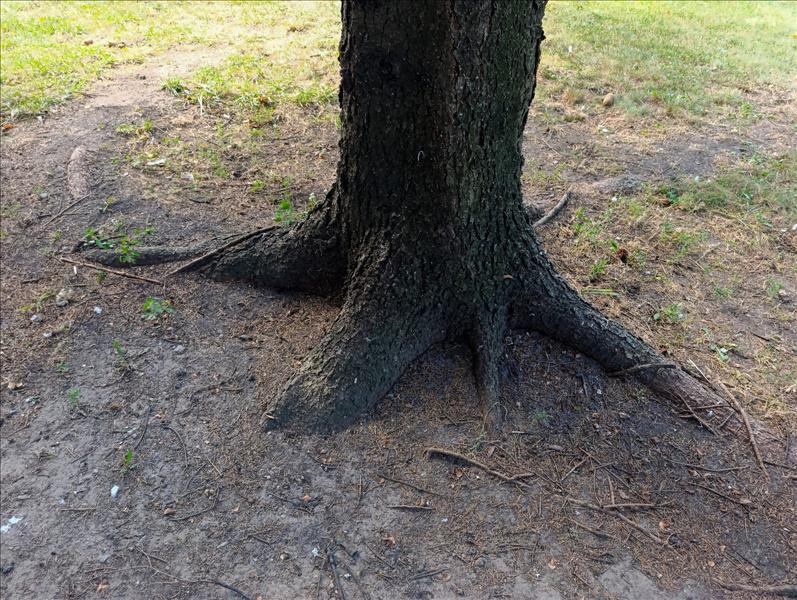
Your Neighbor's Tree Roots Are Damaging Your Garden - Who Pays?


You spend hundreds of dollars building a raised garden bed, filling it with quality soil, and planting vegetables for the season. Then you notice thick roots pushing up through the soil, stealing space from your plants, and possibly damaging the wooden frame. The problem is that the roots belong to a massive tree growing on your neighbor's property. You didn't plant the tree, and you certainly didn't invite its roots into your garden. So who is responsible for fixing the damage, and can you legally make your neighbor pay?
Tree Roots Don't Respect Property LinesA tree's roots can extend well beyond the area directly beneath its branches, sometimes reaching into neighboring gardens, lawns, and landscaped spaces. Most absorbing roots grow relatively close to the soil surface, where they compete with other plants for water, oxygen, and nutrients. When those roots enter a vegetable bed or flower garden, they may interfere with cultivation and make it difficult for smaller plants to thrive. Large roots can also contribute to soil movement or damage certain garden structures, although not every cracked planter or uneven surface is caused by tree growth. Identifying the actual source of the problem is important before blaming a neighboring tree for every gardening difficulty.
The Tree's Owner Isn't Automatically ResponsibleIt may seem reasonable to expect your neighbor to pay because the roots originated on their property. However, tree-root liability laws vary significantly between states, and ownership alone doesn't establish financial responsibility. Some jurisdictions generally expect affected property owners to manage naturally encroaching roots on their own land, while others recognize potential claims when roots cause substantial damage. Legal responsibility may also depend on whether the tree owner knew about a dangerous condition or failed to address a legally recognized nuisance. Before demanding reimbursement, review your state's property laws or speak with a local attorney rather than assuming the same rules apply everywhere.
You May Be Allowed to Cut Roots on Your SideProperty owners in many jurisdictions have a limited right to remove roots that cross their property boundary. This approach is sometimes called self-help, meaning you address the encroachment on your own land instead of requiring the neighboring owner to perform the work. However, the right isn't unlimited, and cutting major roots could destabilize the tree or cause serious damage. If the tree dies or becomes hazardous because of improper cutting, you could face liability under applicable state law. Consult a qualified arborist and verify local rules before cutting anything larger than small, superficial roots.
Cutting the Wrong Roots Could Cost ThousandsA mature tree depends on its root system for stability, water absorption, and access to nutrients. Removing substantial roots close to the trunk can weaken the tree, particularly when multiple structural roots are affected. The International Society of Arboriculture provides homeowner resources explaining why tree health and professional assessment matter when working around established trees. If careless excavation damages a valuable tree, the resulting dispute could become far more expensive than replacing a few garden plants. Paying for professional guidance before major root removal may be cheaper than facing tree replacement costs or a legal claim.
What if the Roots Have Already Damaged Your Garden?The financial stakes become clearer when encroaching roots damage raised beds, irrigation lines, retaining walls, or other improvements. Suppose you spent $450 constructing a raised bed and another $200 on soil, plants, and irrigation supplies. If roots damage the structure and repairs cost $300, you've now invested $950 in a garden that may continue experiencing the same problem. Whether your neighbor must reimburse you depends on local law, proof that the roots caused the damage, and any applicable legal basis for liability. Keep photographs, receipts, repair estimates, and written records before removing damaged materials or making substantial changes.
Written Notice Can Become Important in a DisputeA neighbor may genuinely have no idea that their tree's roots are interfering with your garden. Explaining the problem and providing photographs gives them an opportunity to discuss possible solutions. In some legal circumstances, evidence that an owner knew about a damaging condition and failed to respond may become relevant to a negligence or nuisance claim. However, sending a letter doesn't automatically make the tree owner liable for every future expense. Keep communications factual and polite, and consider professional legal advice if the damage is substantial or the disagreement continues.
Root Barriers May Offer a Less Expensive SolutionA properly designed root barrier can sometimes redirect future root growth away from vulnerable garden areas. These barriers are generally installed underground between the tree and the area you're trying to protect, although their effectiveness depends on soil conditions, root depth, and installation quality. A barrier may be particularly useful when you're constructing a new raised bed or trying to protect an irrigation system from repeated interference. However, installing one can require cutting existing roots, which may create the same tree-health and liability concerns as other excavation work. Ask an arborist whether a barrier is appropriate before spending money on materials or digging near a mature tree.
Homeowners Insurance May Not Cover the DamageDiscovering that tree roots have damaged an expensive garden structure doesn't guarantee that homeowners insurance will pay for repairs. Standard policies often distinguish sudden, accidental damage from gradual deterioration, maintenance problems, and earth movement. Root intrusion frequently develops over time, which can make coverage difficult depending on the policy language and type of damage. A broken underground pipe, damaged foundation, and destroyed raised bed may also be treated differently under the same insurance contract. Review your policy and contact your insurer before assuming that either household's coverage will reimburse the loss.
A Conversation Could Save Both Neighbors MoneyNot every tree-root problem needs to become a property dispute. Your neighbor may be willing to share the cost of an arborist, adjust landscaping, or help develop a solution that protects the tree and your garden. For example, splitting a $300 professional assessment could be more economical than either homeowner paying for separate evaluations and escalating the disagreement. A cooperative arrangement should still be documented in writing, especially if it involves excavation, root pruning, or changes near the property boundary. Resolving the issue early may preserve both the garden and a neighborly relationship that could otherwise deteriorate.
Don't Dig Until You Know Your RightsWhen a neighbor's tree roots invade your garden, the most important first step is determining what is actually causing the damage. Document the problem, identify the tree, and confirm the property boundary before attempting substantial root removal. Because state laws differ, the right to trim encroaching roots doesn't necessarily mean you can recover repair costs from the tree's owner. Professional guidance may seem like an unnecessary expense, but it can prevent costly mistakes involving tree damage, property boundaries, and liability.
If your neighbor's tree roots destroyed part of your garden, would you expect them to pay for repairs, or would you handle the problem yourself?
Legal Disclaimer:
MENAFN provides the
information “as is” without warranty of any kind. We do not accept any
responsibility or liability for the accuracy, content, images, videos,
licenses, completeness, legality, or reliability of the information
contained in this article. If you have any complaints or copyright issues
related to this article, kindly contact the provider above.


Comments
No comment