


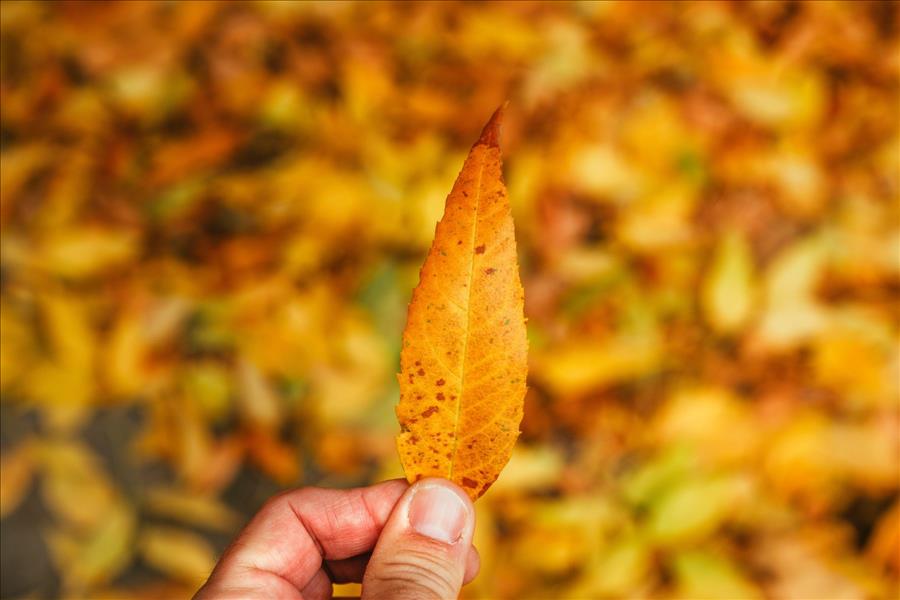
Can You Turn Fallen Leaves Into Free Potting Soil?


Every autumn, homeowners rake up enormous piles of leaves, stuff them into bags, and put them at the curb. Meanwhile, gardeners spend money on bagged potting soil, compost, and soil amendments for their spring planting projects. It raises an interesting question: could the leaves you're throwing away eventually replace some of those expensive gardening supplies? The answer is yes, but there's an important distinction between turning leaves into useful organic material and creating a complete potting mix. Understanding that difference can save money without sacrificing the health of your container plants.
Fallen Leaves Can Become Something Called Leaf MoldWhen fallen leaves break down through natural decomposition, they eventually form a dark, crumbly material known as leaf mold. Despite its name, leaf mold isn't the same as the harmful mold that might grow on spoiled food or damp household surfaces. Penn State Extension explains that leaf mold improves soil structure, helps retain moisture, and supports beneficial soil organisms. It's generally lower in nutrients than traditional compost made from a mixture of organic materials, so it shouldn't be treated as a complete fertilizer. However, its ability to improve growing conditions makes it a valuable free resource for gardeners willing to be patient.
Why Leaves Aren't Ready-to-Use Potting SoilA pile of freshly fallen leaves isn't an appropriate substitute for the potting mix you purchase at a garden center. Whole leaves can settle, mat together, and create uneven moisture conditions as they decompose inside containers. The NC State Extension Gardener Handbook explains that successful container media need adequate drainage, air space, and water retention to support healthy roots. Commercial potting mixes typically combine ingredients such as bark, peat, coir, perlite, or other materials designed to maintain those conditions. Leaf mold can contribute to a homemade growing medium, but the material should be thoroughly decomposed and evaluated for the plants you're growing.
How to Make Leaf Mold Without Buying EquipmentThe simplest method begins with collecting fallen leaves from your own yard and placing them in a loose pile or an existing compost enclosure. Shredding the leaves with a lawn mower can help them break down faster, but it's not essential if you don't have the equipment. Moisten the pile so it resembles a wrung-out sponge rather than a soaking wet mass, and allow rainfall and natural decomposition to do much of the work. University of Florida IFAS Extension's October 2026 guidance describes leaf mold as a relatively simple, low-maintenance way to recycle autumn leaves. You can also use a reusable container or breathable leaf bag with drainage and ventilation, provided the material doesn't remain waterlogged.
You'll Need Patience Before You Can Use ItLeaf mold doesn't form overnight, and gardeners expecting usable material by the first warm weekend may be disappointed. Penn State Extension explains that a traditional leaf pile can take a couple of years to decompose fully, although preparation and conditions affect the timeline. Shredded leaves, adequate moisture, and suitable temperatures can speed the process compared with a neglected pile of large, dry leaves. Finished leaf mold should be dark, crumbly, and earthy-smelling, with most original leaf shapes no longer recognizable. If you can still identify large, intact leaves throughout the pile, allow more decomposition before using the material as a major component of a container mix.
Can You Mix Leaf Mold Into Homemade Potting Soil?Yes, finished leaf mold can be incorporated into certain homemade potting mixes, but the correct proportions depend on the plants and other ingredients. Growing media need an appropriate balance of moisture retention, aeration, drainage, and support. Leaf mold can contribute organic matter and water-holding capacity, while materials such as aged pine bark and perlite can help create air spaces. For a small trial batch, gardeners might experiment with one part finished leaf mold and three parts suitable commercial potting mix, then monitor drainage and plant performance. That proportion is an illustrative starting point rather than a universally tested recipe, so sensitive plants and seedlings may require a different medium.
Some Plants Need More Careful Potting MixesNot every plant responds well to the same growing medium, even when the ingredients are natural and inexpensive. Succulents and cacti generally need faster-draining conditions than many moisture-loving ornamentals, while young seedlings can be particularly vulnerable to disease and poor aeration. Lightweight, well-aerated container media is important. Leaf mold or compost can work in some growing systems. However, homemade materials may contain insects, weed seeds, or organisms that wouldn't be present in properly processed commercial seed-starting mixes. For valuable seedlings or plants with specialized requirements, using a proven medium may be more economical than risking the loss of an entire planting.
Choose Your Leaves CarefullyNot every pile of leaves is equally suitable for a home gardening project. Avoid collecting material from areas that may have been contaminated with road runoff, chemical spills, or other unwanted substances. Leaves showing signs of serious plant disease should generally be handled according to local extension guidance rather than automatically added to a cool decomposition pile. Some leaves also break down more slowly because they're thick, waxy, or naturally resistant to decomposition. Starting with clean leaves from healthy trees gives you a better chance of producing material suitable for garden beds and eventual potting mix experiments.
Leaf Mold Can Save Money Even Without Replacing Potting SoilYou don't need to make an entire bag of homemade potting mix to benefit financially from fallen leaves. Finished leaf mold can be spread around established plants, incorporated into suitable garden soil, or used as a moisture-retaining amendment. Penn State Extension notes that decomposed leaves help improve soil structure and water retention, potentially reducing the need for some purchased soil conditioners. Suppose you normally buy three $8 bags of soil amendment for garden beds and can replace those purchases with homemade leaf mold. That's an illustrative $24 saved, while the original leaves would otherwise have been discarded or hauled away.
Don't Confuse Leaf Mold With Traditional CompostLeaf mold and compost can look similar when they're finished, but they aren't interchangeable in every situation. Traditional compost usually combines different organic materials and may provide a broader range of nutrients depending on its ingredients and preparation. Leaf mold is primarily valued for improving physical soil conditions, especially moisture retention and structure. That means plants growing in a leaf-mold-rich medium may still need appropriate fertilization, particularly when they're confined to containers. Understanding what each material contributes helps gardeners avoid assuming that a free soil amendment can replace every commercial growing product.
The Best Time to Start Is When the Leaves FallIf you want to use leaf mold next year or the year after, autumn is the ideal time to begin collecting material. Choose a manageable pile size, keep it reasonably moist, and allow the leaves to decompose without repeatedly disturbing the process. You can use partially decomposed leaves as mulch in appropriate garden beds while reserving the most thoroughly finished material for soil improvement. This approach turns an annual cleanup chore into a supply of organic matter that becomes more useful over time. For gardeners working with limited budgets, the biggest investment is usually patience rather than money.
Yesterday's Yard Waste Could Support Tomorrow's GardenFallen leaves aren't instant potting soil, but they can become an excellent ingredient in a more affordable gardening routine. With enough time, clean leaves break down into leaf mold that improves soil structure and can contribute to suitable homemade growing media. The important step is matching the material to the plants you're growing rather than assuming every container will thrive in decomposed leaves alone. Start with a small batch, observe how it performs, and use the remaining material to improve your garden beds or mulch established plants.
Have you ever made leaf mold from fallen leaves, or do you usually bag them up and send them away?
Legal Disclaimer:
MENAFN provides the
information “as is” without warranty of any kind. We do not accept any
responsibility or liability for the accuracy, content, images, videos,
licenses, completeness, legality, or reliability of the information
contained in this article. If you have any complaints or copyright issues
related to this article, kindly contact the provider above.


Comments
No comment