


The Future Of Food Is Personal: How Nutrition Is Becoming Smarter In The UAE


Published: Mon 16 Nov 2026, 9:18 AM
- By: Wael Hamza
For decades, success in food policy meant having enough supply for a growing population.
In the UAE, that question has been answered, and food security is firmly in place. The question shaping the next chapter is different: having secured enough food, how do we ensure it is the right food, for the right person, at the right time?
This shift, from feeding populations to nourishing them according to their needs at every life stage, is one of the clearest signals of how the UAE thinks about wellbeing.
Food as the foundation of healthBy 2050, the world's population aged 60 and older will double to 2.1 billion, placing new demands on healthcare systems built for a different era. A one-size-fits-all approach to dietary guidance is no longer sufficient to meet the needs of a population living longer and often managing chronic conditions than any generation before it.
The UAE has recognised this early, shifting public health from treating illness to a proactive model built on prevention, with nutrition at its centre.
The challenge is not simply that populations are ageing, but that too many people spend their later years in poor health. Malnutrition, muscle loss and frailty remain under-recognised, despite their impact on recovery, independence and quality of life. Medical nutrition can be a powerful part of the solution, yet awareness among patients, caregivers and even healthcare systems remains limited. The UAE is among those advancing this conversation, with a growing emphasis on prevention and the role of nutrition in health. Where policy meets nutrition
The National Strategy for Healthy Nutrition 2031, led by the Ministry of Health and Prevention, underscores nutrition's growing importance as a public health priority. Product reformulation and improved nutritional standards are essential, but so is wider awareness of how nutrition can support health, including among ageing populations and those with specific medical needs.
Lasting impact depends on close collaboration between policymakers, regulators, health authorities and industry. Our role is to turn ambitious policies into practical, scalable solutions that make healthier choices more accessible across the region. That alignment is what turns ambition on paper into measurable impact.
Smart nutrition, a lifelong pillar of careNowhere does this alignment matter more than in specialised nutrition. Often seen as a narrow clinical category, it spans two connected fields.
The first is early life nutrition. The Abu Dhabi Early Childhood Authority treats health, nutrition and child protection as one interconnected system, and sees children under five as a strategic investment
in the country's future. Early life nutrition follows the same logic, supporting healthy growth and development in infancy and childhood, including conditions such as cow's milk allergy, prematurity or metabolic disorders that require precise nutritional management from day one.
The second field is medical nutrition: addressing needs that arise from a disease or health condition, such as malnutrition linked to cancer, stroke or the frailty that can accompany ageing.
Together, these form one continuum. The precision that supports an infant with a cow's milk allergy also supports someone managing the effects of illness later in life. Both rest on a simple conviction: that everyone, at every life stage, can achieve better health through nutrition that is positive, precise and delivered at the right moment. Backed by decades of research, this makes specialised nutrition a foundational pillar of care across a lifetime, not a last resort.
Innovation that reaches everyoneScience is only as valuable as its reach. For nutrition to play a greater role in health outcomes, it must move beyond specialist settings and into routine care.
Healthcare professionals are central to this, guiding families toward the right nutritional choices at the right moments. That is why moving from aspiration to scale matters, including through our aim to engage 150,000 healthcare professionals each year by 2030 to deepen shared expertise in medical nutrition.
In the UAE, this was demonstrated through key engagements at Duphat and VitaShow 2026, which brought together thousands of healthcare professionals from across the region and beyond. Highlights included CME-accredited sessions and scientific exchanges focused on clinical and adult nutrition, metabolic health, microbiome science, and oncology nutrition, driving the advancement of evidence-based medical nutrition practice.
Where smarter nutrition beginsHaving secured enough food, the UAE is now focused on nutrition that serves people at every stage of life. Clear regulatory direction and a commitment to preventive health give it a strong foundation. Building on it means bringing patients, caregivers and healthcare professionals further into the conversation.
The future of food is personal, and increasingly, it is smarter too. The UAE is showing what that looks like when policy, science and industry move in the same direction.
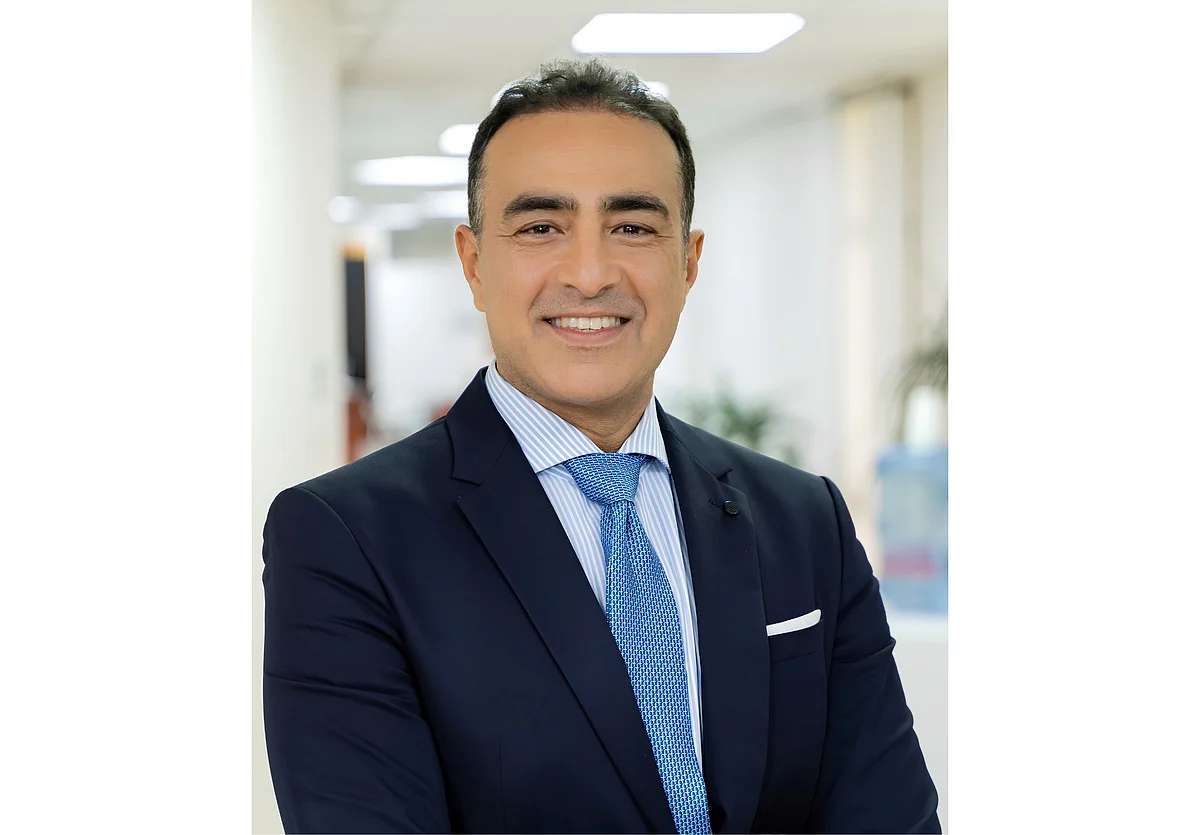
Wael Hamza is the general manager of Danone in the Middle East and North Africa region.

Legal Disclaimer:
MENAFN provides the
information “as is” without warranty of any kind. We do not accept any
responsibility or liability for the accuracy, content, images, videos,
licenses, completeness, legality, or reliability of the information
contained in this article. If you have any complaints or copyright issues
related to this article, kindly contact the provider above.


Comments
No comment