


Dubai Inflation Rises To 5.5% As Transport And Food Prices Increase


Consumer prices increased 1.1 per cent month-on-month in October, reversing a slight decline of 0.05 per cent in September, as inflation returned to its August level.
Recommended For You UAE National Day: 3-day Eid Al Etihad break announced for public sectorStay up to date with the latest news. Follow KT on WhatsApp Channels.
Transport was the main driver of the increase, with prices in the category rising 19.3 per cent year-on-year, compared with 14.7 per cent in September.
On a monthly basis, transport costs climbed 6.3 per cent, reflecting higher petrol prices.
Fuel and lubricants recorded the largest annual increase among items in Dubai's consumer price index basket, rising 53.2 per cent.
Higher petrol prices drive inflation
The increase in transport costs followed October's petrol price hike, which pushed the price of Super 98 petrol to Dh4.40 per liter, 58.8 per cent higher than a year earlier.
Although Super 98 prices declined to Dh4.15 per liter in November, Emirates NBD Research expects annual transport inflation to remain elevated in the next reading.
The report said a recent decline in global oil prices could help ease inflationary pressures towards the end of the year, provided lower crude and refined-product prices are sustained.
Food inflation reaches highest level since 2010
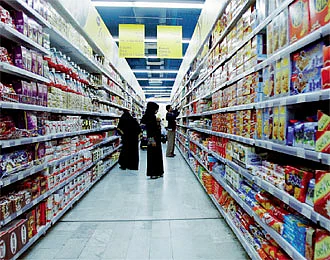
Food and beverage inflation accelerated to 9.1 per cent year-on-year in October, compared with 8 per cent in September and just 0.9 per cent at the beginning of 2026.
This marked the fastest annual increase in food prices since at least January 2010, according to the report.
Food prices rose 1 per cent month-on-month, slightly below September's 1.1 per cent increase, indicating that price pressures remained strong.
Meanwhile, Dubai's October Purchasing Managers' Index (PMI) survey indicated that businesses were increasingly passing higher costs on to customers.
Selling prices rose at the fastest pace recorded in the survey's history, with increases reported across construction, wholesale and retail trade, and travel and tourism.
Housing inflation eases
Despite rising transport and food costs, slower housing inflation helped limit the overall increase in consumer prices.
Annual inflation in the housing and utilities category eased to 5.8 per cent in October, compared with 6.2 per cent in September and 7.4 per cent at the beginning of the year.
Housing contributed 2.2 percentage points to overall inflation, slightly below transport's contribution of 2.3 percentage points.
This marked the first time since October 2022 that transport contributed more to headline inflation than housing.
Accommodation prices, meanwhile, rose 66.1 per cent month-on-month in October but remained 11.7 per cent below their level a year earlier. The report attributed the rebound partly to seasonal factors and a recovery in tourism-related pricing.
Inflation expected to ease in 2027
Emirates NBD Research expects Dubai's annual inflation rate to remain broadly stable through November and December before easing in 2027 as global oil prices moderate.
However, the report cautioned that risks of further price increases remain, with businesses showing greater willingness to pass rising costs on to consumers as demand strengthens
ALSO READ- Dubai inflation inches up in May on elevated housing costs Dubai inflation eases to 2.3% in April as fuel prices drop, housing remains key driver Dubai inflation cools on softer transport and food costs

Legal Disclaimer:
MENAFN provides the
information “as is” without warranty of any kind. We do not accept any
responsibility or liability for the accuracy, content, images, videos,
licenses, completeness, legality, or reliability of the information
contained in this article. If you have any complaints or copyright issues
related to this article, kindly contact the provider above.


Comments
No comment