


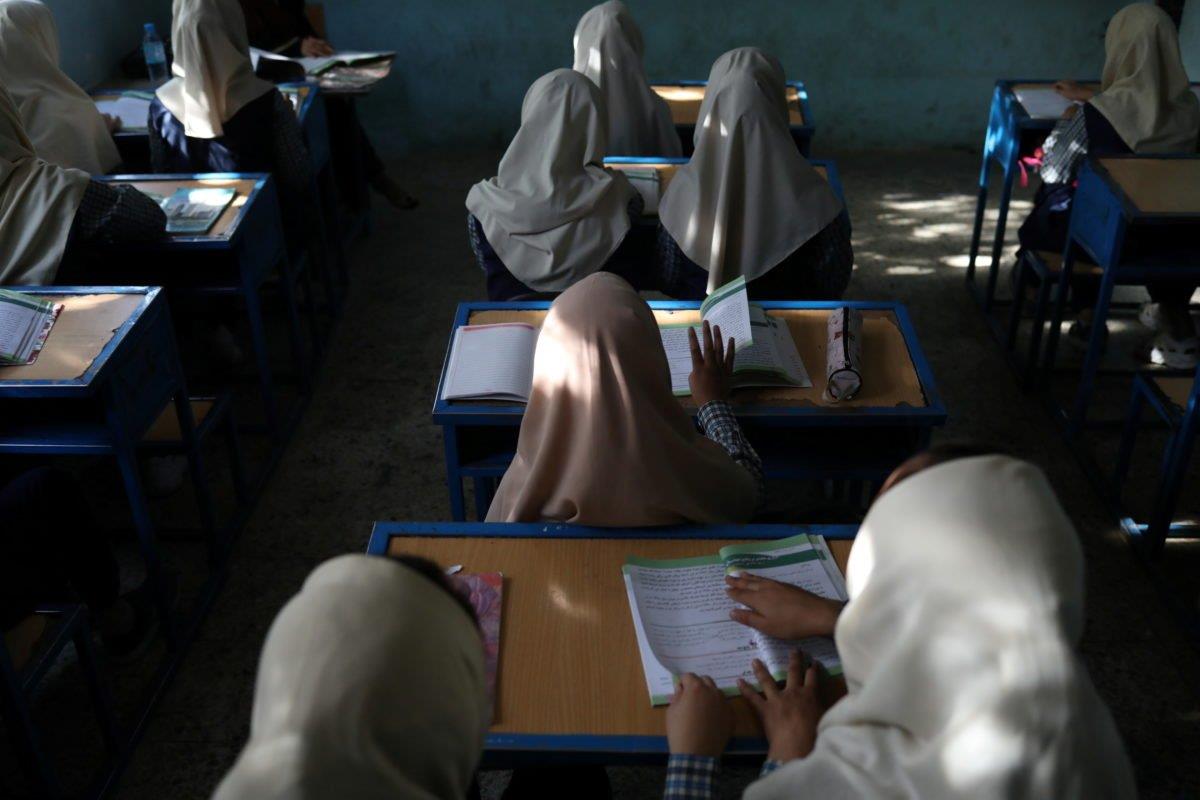
Afghanistan Education Crisis: 53% Of Children Out Of School


More than half of Afghanistan's primary-school-age children remain outside formal education, while more than 2.6 million girls have been denied secondary schooling since 2021, according to a new report by UNESCO and UNICEF.
The findings were released as the United Nations marks the International Week of Science and Peace, observed from November 9 to 15. The annual observance highlights the role of science, education and international cooperation in promoting peace and development.
The Afghanistan Education Situation Report 2026, published on November 4, found that 53 per cent of primary-school-age children in the country were not enrolled in formal general education. The report warned that continuing restrictions on girls' and women's education, limited investment and population growth were widening the country's education gap.
Afghanistan remains the only country where girls and women are formally barred from education beyond the primary level. Girls have been excluded from secondary schools since September 2021, while women have been prohibited from attending universities since December 2022.
UNICEF said in August that more than 2.6 million girls had been denied secondary education during the five years since the Taliban returned to power. The restrictions have left an entire generation with limited access to formal learning and professional opportunities.
The consequences extend beyond classrooms. A separate UNICEF analysis published in April estimated that restrictions on women's education and participation in the workforce cost Afghanistan at least 5.3 billion afghanis, or about $84 million, in lost economic output annually.
The figure represents approximately 0.5 per cent of Afghanistan's gross domestic product in 2023. UNICEF warned that the losses would accumulate as long as women and girls remained excluded from education and employment.
The same analysis warned that Afghanistan could lose up to 20,000 female teachers and 5,400 female healthcare workers by 2030. The decline would further weaken education and health services, particularly for women and children who depend on female professionals.
UNESCO and UNICEF have also warned that the country faces a wider learning crisis. A joint assessment published in October 2025 found that more than 90 per cent of 10-year-old children could not read and understand a simple text.
Despite repeated international calls to restore girls' access to education, the restrictions remain in place. The Taliban authorities have defended their education policies as domestic matters, while UN agencies continue to warn that excluding women and girls undermines Afghanistan's long-term development.
The latest figures highlight the growing gap between international commitments to education and the reality facing millions of Afghan children. They also underline the economic and social costs of policies that prevent girls from learning and women from fully contributing to society.

Legal Disclaimer:
MENAFN provides the
information “as is” without warranty of any kind. We do not accept any
responsibility or liability for the accuracy, content, images, videos,
licenses, completeness, legality, or reliability of the information
contained in this article. If you have any complaints or copyright issues
related to this article, kindly contact the provider above.


Comments
No comment