


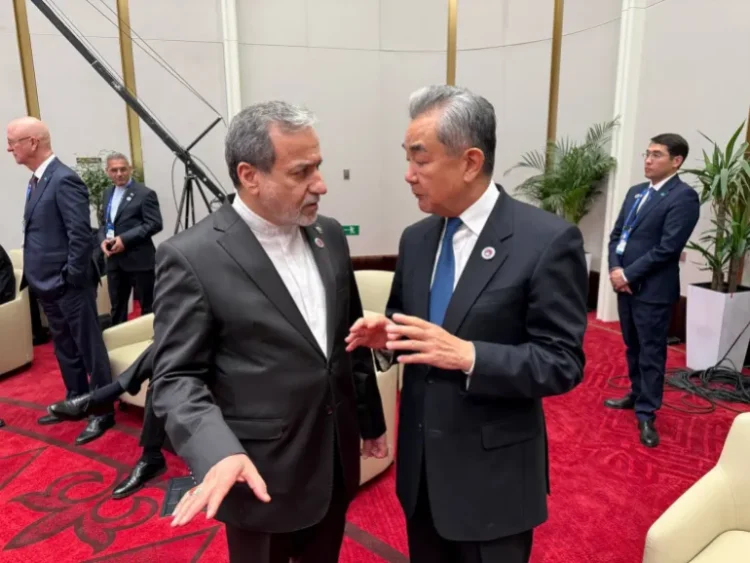
China Seeks Stronger Iran Ties Amid Middle East Conflict


China has signalled its willingness to strengthen relations with Iran as Beijing steps up diplomatic efforts to ease tensions in the Middle East, with a senior Chinese envoy calling for political solutions and the restoration of regional stability.
Reuters reported on November 9, 2026, that China's special envoy for Middle East affairs, Zhai Jun, made the remarks during a meeting with Ali Bagheri Kani, deputy secretary of Iran's Supreme National Security Council, in Iran. Zhai is also visiting Oman and Saudi Arabia this month as Beijing seeks to expand diplomatic engagement across the region.
According to China's Foreign Ministry, Zhai said countries should approach the crisis with a“rational and pragmatic spirit” and prioritise political solutions to restore stability and development. His visit comes amid an intensifying regional conflict that has disrupted energy supplies, heightened security concerns and increased pressure on governments to pursue diplomatic alternatives.
The diplomatic initiative follows a series of high-level engagements by Chinese officials. Foreign Minister Wang Yi has held separate discussions with Iranian and Saudi security officials, urging both sides to avoid renewed military confrontation and pursue negotiations. President Xi Jinping has also sought closer engagement with regional partners, including Oman, as Beijing promotes its role in regional peace and security.
China's diplomatic outreach reflects both its strategic interests and its ambition to play a greater role in shaping the Middle East's future. The region is critical to Beijing's energy security, trade and investment interests, particularly because disruptions to shipping through the Strait of Hormuz could affect global oil supplies and China's energy imports.
In a November 4 report, Reuters noted that Beijing was seeking a greater role in efforts to resolve the US-Iran conflict but faced limitations in its ability to influence the parties. Although China maintains significant economic ties with Tehran and has proposed diplomatic initiatives involving Oman, it lacks the regional security commitments and direct leverage needed to compel Iran or other parties to accept a settlement.
China's expanding diplomatic activity also comes as Washington and Tehran face continued tensions over military operations, sanctions and the security of maritime trade. Beijing has presented dialogue and political negotiations as alternatives to further military escalation, while seeking to maintain relations with both Iran and Gulf Arab states.
However, China's ability to translate its diplomatic engagement into a lasting settlement remains uncertain. Its economic interests in the Gulf, relationships with competing regional powers and limited direct security commitments could complicate efforts to act as a mediator.
Zhai's visits to Iran, Oman and Saudi Arabia are therefore an important test of Beijing's efforts to strengthen its diplomatic influence and encourage a political solution to the region's continuing crisis.

Legal Disclaimer:
MENAFN provides the
information “as is” without warranty of any kind. We do not accept any
responsibility or liability for the accuracy, content, images, videos,
licenses, completeness, legality, or reliability of the information
contained in this article. If you have any complaints or copyright issues
related to this article, kindly contact the provider above.


Comments
No comment