


Rising Fuel Prices Put Kabul Taxi Drivers And Passengers Pressure


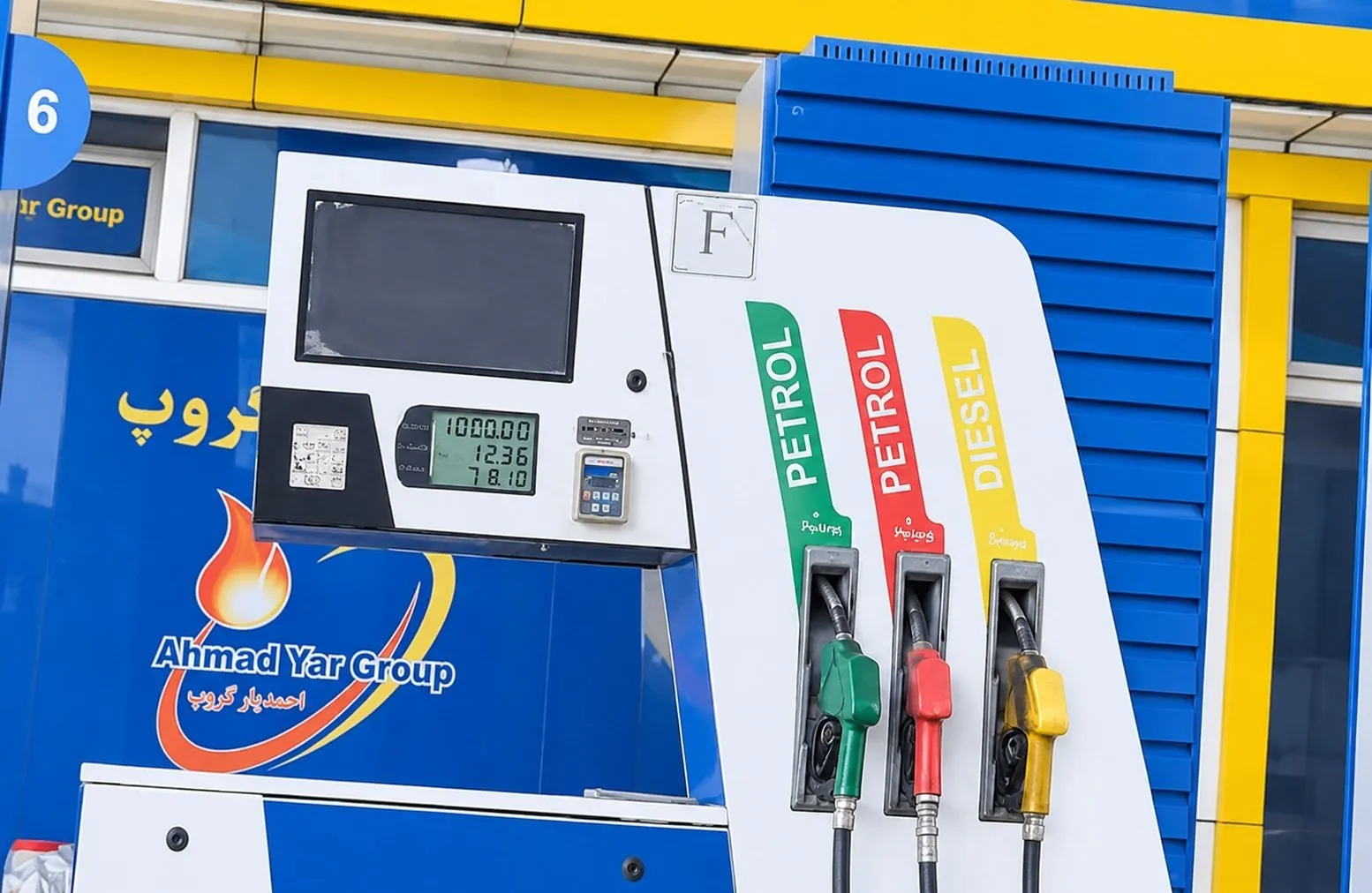
Recent market checks show that petrol in Kabul is selling for around 85 to 86 Afghanis per litre.
Qasim, a taxi driver in Kabul, says he converted his vehicle to gas four months ago because of rising petrol prices. He leaves home every day after morning prayers to start work. Before converting his vehicle, he spent around 500 Afghanis on petrol daily. Now, he says, his daily gas expenses have dropped to approximately 200 Afghanis.
However, using gas has also brought challenges. Qasim says the smell of gas inside the vehicle bothers both him and his passengers. Nevertheless, because of his limited income, he has little choice but to use gas to reduce fuel costs.
He says he earns around 800 Afghanis a day from driving a taxi and must also cover vehicle repair and maintenance expenses from that income. As a result, much of what he earns goes towards the costs of running his vehicle.
Mohibullah, another taxi driver in Kabul, says he buys petrol at 85 to 86 Afghanis per litre. He says rising expenses have made it impossible for him to continue working as he did before.
He adds that he previously worked until midnight and earned more money, but rising fuel prices, traffic congestion and vehicle maintenance costs have forced him to finish work at around 4 p.m.
Mohibullah says he has increased fares on some routes from 10 to 20 Afghanis to cover the additional expenses. However, the higher fares have discouraged some passengers from using taxis, while others argue with drivers over the cost of their journeys.
As winter approaches, Mohibullah says he is increasingly worried about meeting his vehicle-related expenses and supporting his family. He is now considering leaving the taxi business and finding another source of income.
Rising transportation costs are not affecting drivers alone. Some passengers, particularly working women, are also facing greater difficulties.
Marsal, who uses shared taxis to travel to and from work, says she sometimes struggles to find a taxi after finishing her working hours. According to her, some drivers have told her that if she sits in the front passenger seat, she must pay the fare for two passengers. Otherwise, she has to wait for another taxi.
Marsal says she has sometimes been forced to pay the additional fare because she has no other way to get home after work. She adds that higher daily transportation costs consume a portion of her monthly salary, making it more difficult to afford other living expenses.
She says that on some days, she has to wait for hours to find a taxi where she can sit in the back alongside other women while paying the regular fare.
Iraj Faqiri, an economic analyst, says investment in transportation infrastructure and long-term planning to improve urban transport systems in Afghanistan's major cities could help address these challenges.
He says better management of transport routes, improved access to public transportation and monitoring of fuel prices and public transport fares could reduce commuting costs. According to him, improving transportation services could also help preserve employment opportunities and support small economic activities.
Accounts from drivers and passengers show how rising operating and transportation costs are putting pressure on both sides of the journey: drivers are being forced to reduce fuel consumption or working hours to stay in business, while passengers must increasingly pay higher fares or spend longer waiting to reach their destinations.

Legal Disclaimer:
MENAFN provides the
information “as is” without warranty of any kind. We do not accept any
responsibility or liability for the accuracy, content, images, videos,
licenses, completeness, legality, or reliability of the information
contained in this article. If you have any complaints or copyright issues
related to this article, kindly contact the provider above.


Comments
No comment