


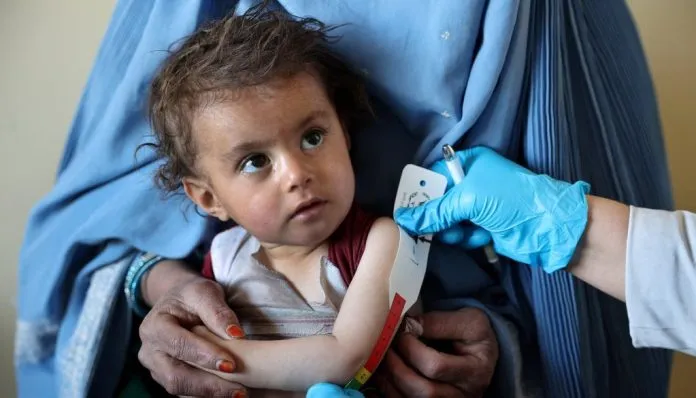
Afghanistan: Over 4 Million Children To Need Malnutrition.


According to the IPC report, published on October 13, 2026, an estimated 4.04 million children aged six to 59 months will need treatment for acute malnutrition next year. Of these, approximately 1.09 million are expected to suffer from severe acute malnutrition, while nearly 2.95 million will experience moderate acute malnutrition.
The assessment also estimates that around 1.27 million pregnant and breastfeeding women will require treatment for malnutrition during the same period.
Meanwhile, the United Nations Children's Fund (UNICEF) and the humanitarian organisation Action Against Hunger have warned that the number of provinces facing critical levels of malnutrition has increased from seven in 2025 to 10 in 2026 and is projected to reach 14 in 2027.
In its August 2026 Afghanistan Humanitarian Situation Report, UNICEF also reported that 3.7 million children in the country were suffering from acute malnutrition, including nearly one million with severe acute malnutrition.
Dr Faridullah Omari, an infectious disease specialist, said malnutrition in children can occur in acute or chronic forms, with children under five, particularly during their first two years of life, being especially vulnerable.
Children aged six to 23 months are at greater risk because their nutritional requirements increase during this period, and inadequate or inappropriate diets can disrupt their normal development, he added.
Omari said weight loss, poor growth, physical weakness, loss of appetite and frequent illnesses are among the warning signs families should watch for. He advised parents to take children to healthcare facilities for examination and diagnosis if they notice these symptoms.
He warned that prolonged malnutrition can affect children's physical growth and brain development, potentially causing lasting harm to their learning abilities and overall health if left untreated.
Poverty, families' inability to afford sufficient and diverse food, respiratory infections and diarrhoeal diseases are among the main factors contributing to or worsening malnutrition, he said. Infectious diseases can further weaken children's nutritional condition, while malnutrition may recur even after they recover from illness.
The specialist stressed that mothers should exclusively breastfeed their babies during the first six months of life. After that, age-appropriate complementary foods should gradually be introduced while breastfeeding continues.
He said a diverse and nutritious diet, including vegetables, eggs, dairy products, meat, fish and legumes, can help meet children's nutritional needs. He also emphasised the importance of completing routine vaccinations, seeking timely medical care and avoiding self-medication or traditional treatments without consulting a doctor.
Meanwhile, Hafiz Abdul Qadeem Abrar, spokesperson for the Afghan Red Crescent Society, said the organisation provides healthcare services to vulnerable communities through 216 fixed and sub-health teams, as well as mobile teams.
These services include maternal and child healthcare, vaccination and health consultations, he added.
The Ministry of Public Health had previously announced that a nationwide polio vaccination campaign would run from November 2 to 5, targeting 12.8 million children under the age of five.
Recent figures from international organisations indicate that malnutrition remains a major public health concern in Afghanistan. Ensuring timely access to sufficient and diverse food, treatment services and essential healthcare remains critical to preventing its long-term consequences for children.

Legal Disclaimer:
MENAFN provides the
information “as is” without warranty of any kind. We do not accept any
responsibility or liability for the accuracy, content, images, videos,
licenses, completeness, legality, or reliability of the information
contained in this article. If you have any complaints or copyright issues
related to this article, kindly contact the provider above.


Comments
No comment