


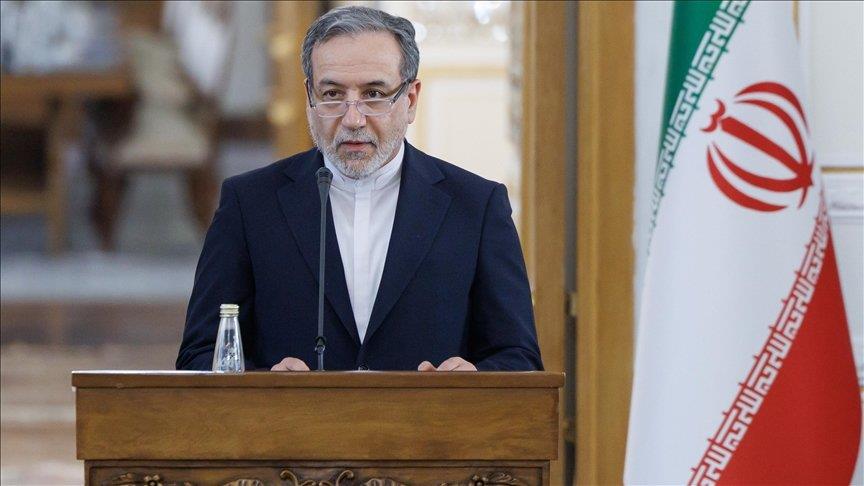
Iran Tells Trump Sanctions And Military Strikes Cannot End War


Araghchi made the remarks on Tuesday, November 10, saying Washington should accept Iran's conditions outlined in a two-day proposal to end the war, which he said remained on the table. He also argued that the American public opposed continued military involvement in the conflict and US support for Israel.
The Iranian foreign minister said Trump would eventually realise that his administration had taken the wrong approach by relying on economic pressure and sanctions against Tehran. He maintained that a diplomatic solution, rather than further military action, was the only way to resolve the confrontation.
The remarks come as Iran continues to press Washington to accept its proposal for ending hostilities. The plan, which was initially presented as a seven-day framework before being shortened to two days, includes demands for an end to fighting on all fronts, the lifting of US sanctions and the removal of the American naval blockade on Iranian ports. In return, Tehran has offered to reopen the Strait of Hormuz within the proposed timeframe.
However, Washington has pushed back against Tehran's conditions. US Secretary of State Marco Rubio described some of the demands as“outrageous and ridiculous,” while Iranian Foreign Ministry spokesman Esmaeil Baghaei defended the proposal, arguing that lifting sanctions and ending the blockade were necessary before negotiations could resume.
The diplomatic standoff follows significant Republican losses in the November 2026 US midterm elections, in which Democrats secured control of both chambers of Congress. Trump acknowledged that the war with Iran had contributed to his party's electoral setback but maintained that his decision to launch military action had been justified.
Meanwhile, diplomatic efforts involving Qatar and other regional countries have continued. Reuters reported on November 9 that Trump had agreed to hold off on further strikes against Iran for the time being following appeals from Gulf states, although Washington intends to maintain its naval blockade in the Strait of Hormuz. No comprehensive agreement has been announced, and the two sides remain divided over the conditions for ending the conflict.
Araghchi's latest comments underscore Tehran's insistence that any diplomatic settlement must include changes to Washington's military and economic pressure campaign, while the United States continues to reject key elements of Iran's proposed framework.

Legal Disclaimer:
MENAFN provides the
information “as is” without warranty of any kind. We do not accept any
responsibility or liability for the accuracy, content, images, videos,
licenses, completeness, legality, or reliability of the information
contained in this article. If you have any complaints or copyright issues
related to this article, kindly contact the provider above.


Comments
No comment